

Introduction
If your dog is squinting one eye, assume the eye is painful or irritated until a veterinarian proves otherwise. One-eye squinting is common in Central Florida dogs because outdoor exposure, dust, grass seeds, pollen, insects, and trauma from branches or rough play can all irritate or injure the eye.
If your dog is squinting one eye, it is essential to understand that this could indicate various underlying issues. Knowing how to respond when your dog is squinting one eye can make a significant difference in your pet’s health.
This guide explains the most likely causes, symptoms, treatment options, and when your dog needs urgent care. It is written for dog owners in Bushnell, FL and surrounding Central Florida communities who need immediate, practical guidance about a pet suddenly holding one eye partly or fully closed.
When you notice that your dog is squinting one eye, consider environmental factors that may have caused irritation or injury to the eye.
One-eye squinting usually indicates pain, irritation, infection, or injury requiring prompt veterinary evaluation within 24 hours. Immediate veterinary attention is necessary for persistent squinting in dogs, and squinting lasting over a few hours needs veterinary attention.
You’ll learn how to:
- Tell minor irritation from serious eye conditions such as corneal ulcers, glaucoma, uveitis, and trauma
- Recognize emergency symptoms, including severe pain, thick discharge, visible blood, cloudiness, or a bulging eye
- Understand what several tests may be used for diagnosis, including fluorescein stain, tear testing, and eye pressure measurement
- Know what treatment may involve, from eye drops to surgery or referral to a veterinary ophthalmologist
- Protect your dog’s vision with prevention strategies suited to Central Florida’s outdoor environment
Understanding Eye Squinting in Dogs

Squinting in dogs is called blepharospasm, which means the eyelids are closing tightly or repeatedly because the eye hurts. Squinting is a sign of eye pain or discomfort in dogs, not just a facial expression or behavior issue.
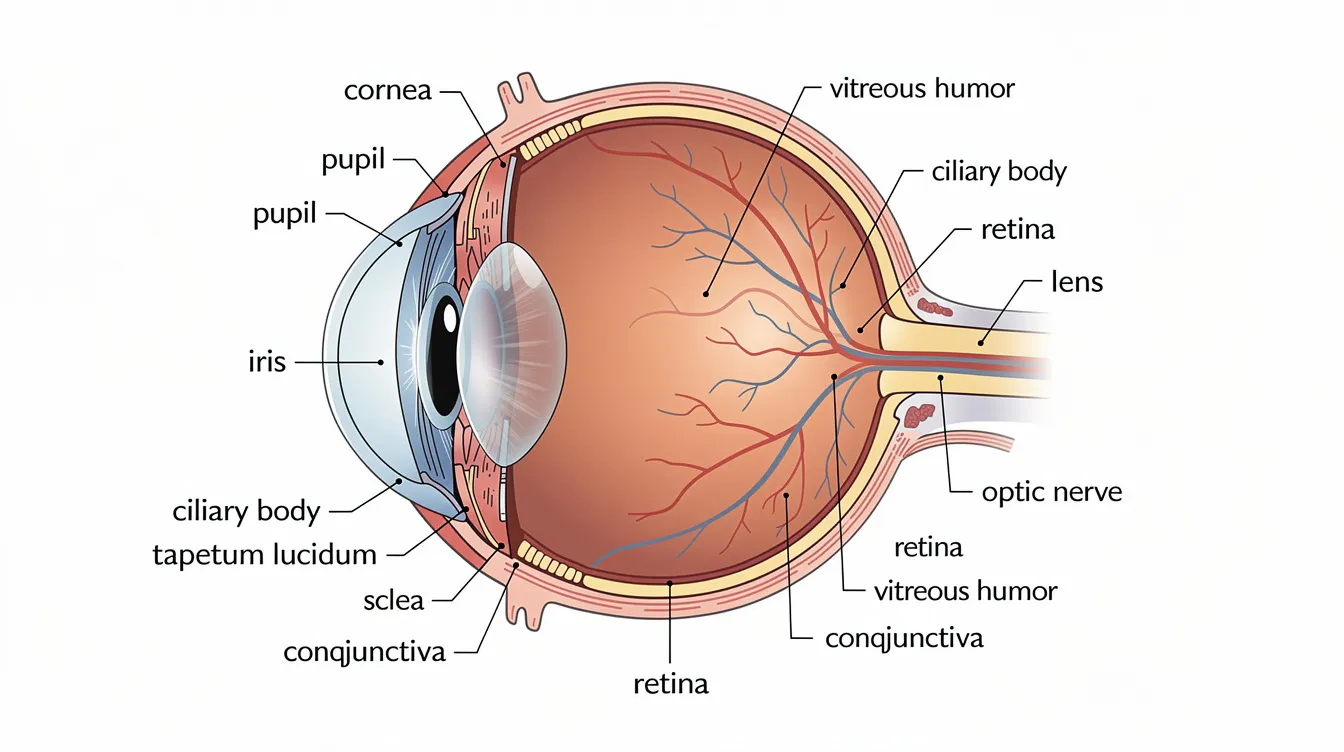
When the cornea, eyelids, lens, retina, or deeper eye structures become irritated, the dog may close the eye to protect it from light, dust, air exposure, or further injury. The Merck Veterinary Manual describes blepharospasm as a typical sign of corneal discomfort and notes that corneal ulcers are often associated with injury or foreign material affecting the cornea (Merck Veterinary Manual).
If your dog is squinting one eye and showing discomfort, it is crucial to seek help from a veterinarian immediately.
Normal Eye Behavior vs. Concerning Squinting
The signs that your dog is squinting one eye can include other symptoms such as tearing or redness.
Most dogs blink briefly and evenly throughout the day. A relaxed dog may have soft eyelids, a normal gaze, and both eyes open in a similar way.
Concerning squinting looks different. You may notice one eye held shut, repeated blinking, tearing, redness, swelling, discharge, or pawing at the face. Visible signs of eye issues in dogs include redness, swelling, and discharge. Signs of serious eye issues include cloudy eyes and thick discharge.
Sleepy eyes usually affect both eyes and happen when the dog is relaxed. Painful squinting often affects one eye, persists even when the dog is awake, and may worsen in bright light. To reduce light sensitivity, keep the dog in a dimly lit environment while waiting to speak with a vet.
Why One Eye vs. Both Eyes Matters
When only one eye is squinting, the most common cause is often local irritation, a corneal abrasion, trauma, infection, or a foreign object under the eyelid. Squinting may result from eye injuries or foreign objects, and a single affected eye helps the veterinarian focus the exam on localized damage.
Both eyes squinting can suggest allergies in dogs, chemical exposure, systemic inflammation, dry eye, or other conditions affecting both eyes. However, dry eye, glaucoma, and some eyelid problems can begin in one eye, so unilateral symptoms still require a complete diagnosis.
Always be mindful that if your dog is squinting one eye, it could be due to several causes, and understanding these can help in taking appropriate action.
Regular veterinary check-ups can prevent issues that may lead to your dog squinting one eye.
This difference matters because one-eye squinting can involve scratches, ulcers, increased pressure, or inflammation that may lead to permanent vision impairment if treatment is delayed.
Common Causes of One-Eye Squinting in Dogs

If your dog is squinting one eye, it is vital to monitor for any changes in behavior or appearance.
At Bushnell Animal Clinic, Dr. Roger Hart commonly evaluates dogs with one-eye squinting after outdoor activity, play, travel, or sudden unexplained discomfort. Central Florida’s warm, humid environment increases exposure to plants, insects, dust, and debris that can irritate the eye.
Be alert to any signs that your dog is squinting one eye, which can indicate underlying health issues.
Foreign Objects and Debris
Observing that your dog is squinting one eye can lead to timely intervention and care.
Grass seeds, small plant fragments, dirt, sand, and dust can lodge under the eyelids or sit on the cornea. This creates friction every time the dog blinks and can quickly develop into inflammation or a corneal abrasion.
Dogs in the Bushnell area may have higher exposure during walks, hunting, farm activity, hiking, or play near citrus groves, fields, brush, and wooded areas. Even a tiny piece of debris can make an eye painful enough for a dog to hold it closed.
Do not try to sweep under the eyelid with a finger or cotton swab. If a foreign object is present, improper removal can scratch the cornea and increase the risk of ulcers or infection.
Eye Injuries and Trauma
A corneal abrasion is a scratch on the cornea, the clear surface at the front of the eye. Scratches can happen from branches, cat claws, rough play, fence wire, bedding debris, or a dog pawing at irritated skin around the face.
Understanding why your dog is squinting one eye can help in recognizing the severity of the situation.
If left untreated, conditions that cause your dog to be squinting one eye can lead to further complications.
Blunt trauma can also cause swelling, bleeding, lens injury, uveitis, glaucoma, or retinal damage. A ball, fall, vehicle accident, or collision with furniture can injure the eye even if the surface looks normal at first.
Eye trauma should be treated as urgent because complications can develop quickly. Prompt veterinary care can protect your pet’s vision.
Infections, Inflammations, and Corneal Ulcers
Your dog is squinting one eye, and noticing any additional symptoms can provide valuable information for the vet.
It is crucial to act quickly if your dog is squinting one eye, especially if the squinting persists.
When your dog is squinting one eye, it is essential to distinguish between a minor issue and a serious condition.
In summary, if your dog is squinting one eye, it is always best to consult a veterinarian for proper diagnosis and treatment.
Eye infections can cause discharge and swelling. Conjunctivitis, bacterial infection, viral irritation, allergic inflammation in dogs, fungal keratitis, and corneal ulcers can all make a dog squint one eye.
Make sure to note if your dog is squinting one eye during your next veterinary visit.
Squinting can indicate corneal ulcers in dogs. Corneal ulcers are open wounds on the cornea, and they are one of the most important causes of painful one-eye squinting. Corneal ulcers can threaten vision if untreated. Corneal ulcers can lead to permanent vision loss or eye rupture if untreated.
Recognizing when your dog is squinting one eye can help you act quickly and avoid serious complications.
Uveitis can lead to squinting from eye inflammation. Uveitis affects internal eye structures and may cause pain, redness, a small pupil, cloudiness, and light sensitivity.
According to the Merck Veterinary Manual, superficial corneal ulcers may heal with appropriate topical medication and correction of the underlying cause, while deeper ulcers may require advanced medical care or surgery.
Other Medical Conditions
Glaucoma is a dangerous increase of pressure inside the eye. Glaucoma causes squinting due to increased eye pressure, and the condition can lead to vision loss or blindness if not treated quickly. Measuring intraocular pressure is essential when glaucoma is possible.
Dry eye, also called keratoconjunctivitis sicca, occurs when tear production is too low. Dry eye can cause redness, discharge, irritation, ulcers, and long period discomfort if not managed with proper medical treatment.
Eyelid abnormalities such as entropion, abnormal lashes, or third eyelid problems can rub against the cornea. Cataracts can cause squinting due to impaired vision. Cataracts can appear as a cloudy or milky-white eye. Cataracts develop in stages, affecting vision progressively. Cataracts can cause blindness in dogs.
Because so many eye conditions can look similar at home, and untreated eye disease can change how a dog navigates the world, the urgency comes from what you cannot see without veterinary tests, which are typically performed during a dedicated sick patient exam for pets.
When to Seek Veterinary Care at Bushnell Animal Clinic
Dr. Roger Hart and the team at Bushnell Animal Clinic take eye concerns seriously because pain, ulcers, glaucoma, infection, and trauma can worsen quickly. Their approach reflects the clinic’s broader commitment to compassionate veterinary care services in Bushnell, Florida. Urgent care appointments help identify the cause, relieve pain, and protect vision before complications develop.
During an eye exam, your veterinarian may perform several tests. The team also guides owners through the visit and prioritizes urgent eye patients with pain, trauma, or sudden vision changes. These can include fluorescein stain to check for corneal ulcers or scratches, a tear test for dry eye, tonometry to measure eye pressure, and additional tests based on symptoms and test results.
Emergency Signs of Severe Pain Requiring Immediate Care
Emergency situations may arise when your dog is squinting one eye, so stay vigilant for any alarming signs.
Call Bushnell Animal Clinic at (352) 793-7222 or text (352) 736-5352 immediately if your dog has sudden or severe symptoms. If the clinic is closed and the eye looks seriously injured, seek an emergency veterinary hospital.
Emergency signs include:
- Sudden onset of severe squinting with thick or colored discharge
- Visible blood in or around the eye
- Bulging or protruding eye appearance
- Complete inability to open the eye
- Cloudy eye surface, sudden vision problems, or suspected vision loss
- Severe pain, trauma, or obvious damage to the eyelids or cornea
These symptoms can indicate ulcers, glaucoma, internal inflammation, infection, or trauma that may lead to blindness or permanent vision impairment.
Same-Day vs. Next-Day Appointments
Symptom Severity | Timeline | Action |
|---|---|---|
Mild squinting, no discharge | 24-48 hours | Schedule appointment |
Persistent squinting with tearing | Same day | Call for urgent care |
Severe pain, discharge, or trauma | Immediately | Emergency evaluation |
Mild squinting without discharge may still need an appointment if it does not resolve quickly. Squinting with tearing or redness requires an eye exam. If your dog is pawing at the face, hiding, avoiding light, or acting painful, schedule urgent care rather than waiting. |
While waiting for the appointment, keep your dog calm, reduce bright light exposure, and prevent rubbing. Using an Elizabethan collar can prevent dogs from scratching their face.
Common Mistakes and What to Do Instead
Dr. Roger Hart often sees well-meaning pet owners try home care first. The problem is that eye conditions can deteriorate faster than many other health problems, and the difference between a minor irritation and a vision-threatening ulcer is not always visible at home.
Never Attempt to Remove Objects Yourself
Do not use fingers, tweezers, cotton swabs, or cloth to remove an object from your dog’s eye. A small movement can worsen scratches, deepen an ulcer, or push debris farther under the eyelids.
Instead, prevent rubbing, keep the dog calm, and call the vet. If the debris is very superficial and your dog allows it, sterile saline may be used gently to flush the eye, but do not force the eyelids open if the eye is painful.
Avoid Human Eye Medications
Human eye drops can be harmful to dogs and worsen their condition. Some products contain ingredients that irritate the eye, mask symptoms, delay diagnosis, or increase pressure in certain conditions.
Never use steroid eye drops unless prescribed for your dog. Steroids can make corneal ulcers and infections worse. The safest treatment depends on the diagnosis, and that requires an exam.
Don’t Delay Professional Care to Prevent Permanent Vision Impairment
Eye problems can progress from mild discomfort to serious complications in a short time. A superficial ulcer can become infected. Glaucoma can damage retinal function. Trauma can affect the lens, retina, or internal structures.
Prompt treatment may involve antibiotics, pain control, artificial tears, pressure-lowering medication, anti-inflammatory medication, contact lenses for selected corneal problems, or referral for surgery. Delaying care increases the risk of vision loss, permanent vision impairment, and blindness.
Next Steps for Your Dog’s Eye Health
If your dog is squinting one eye, schedule a veterinary evaluation within 24 hours, sooner if there is discharge, redness, swelling, cloudiness, trauma, or severe pain. One-eye squinting is painful until proven otherwise, and early diagnosis gives your dog the best chance of a comfortable recovery.
Take these steps now:
- Call Bushnell Animal Clinic at (352) 793-7222 or text (352) 736-5352.
- Keep your dog in a dimly lit environment to reduce light sensitivity.
- Use an Elizabethan collar to protect the eye from scratching or rubbing.
- Avoid human eye drops and do not attempt object removal.
- Bring your dog for an eye exam so the veterinarian can review symptoms, perform tests, and recommend treatment.
Bushnell Animal Clinic is located at 5899 SW 18th Terrace, Bushnell, FL 33513. Dr. Roger Hart provides compassionate, comprehensive care, same-day urgent appointments when available, and written treatment plans so pet owners know what to expect.
Frequently Asked Questions
Can I wait to see if my dog’s squinting gets better on its own?
Do not wait long. Squinting lasting over a few hours needs veterinary attention, and persistent squinting should be evaluated within 24 hours.
A minor irritant may improve, but corneal ulcers, glaucoma, uveitis, infection, trauma, and other conditions can worsen quickly. Prompt veterinary care can protect your pet’s vision.
What should I do if this happens after hours or on weekends?
If your dog has severe pain, thick discharge, visible blood, a cloudy eye, a bulging eye, sudden vision loss, or complete inability to open the eye, seek emergency veterinary care. If symptoms are mild but persistent, contact Bushnell Animal Clinic as soon as the clinic opens to schedule urgent care or discuss wellness and preventive care options that support overall health.
While waiting, keep the dog calm, avoid bright light, use an Elizabethan collar, and do not apply human medications.
How much does an eye examination cost at Bushnell Animal Clinic?
Costs vary depending on the exam findings, tests needed, medications, and whether referral care is required. A general eye visit may include an exam plus diagnostic tests such as fluorescein stain, tear testing, or intraocular pressure measurement.
For advanced cataract care, costs are higher. Initial exam with an ophthalmologist costs $200 to $300. Pre-operative tests can cost between $1,000 and $1,200. Cataract surgery costs range from $2,700 to $4,000. Average cost for cataract surgery is about $3,500.
Will my dog need to see a veterinary ophthalmologist, or can Dr. Hart handle most eye problems?
Dr. Roger Hart can evaluate and treat many common eye problems, including irritation, mild injuries, infections, dry eye, and many corneal ulcers. A veterinary ophthalmologist may be recommended for deep ulcers, complicated glaucoma, severe trauma, advanced cataract, retinal concerns, or surgery requiring specialized equipment.
Veterinary ophthalmologists provide specialized eye care for pets. In some cases, referral may involve an operating room, anesthesia, advanced imaging, or procedures with specific operating room use requirements.
How can I prevent eye injuries in my dog?
Use eye protection strategies around brush, tall grass, thorns, and dusty environments. Trim plants near play areas, avoid letting dogs run through dense vegetation, and rinse dust from bedding or crates.
For dogs with short muzzles, eyelid abnormalities, dry eye, previous ulcers, or suspected food allergies managed with hypoallergenic dog food, routine veterinary exams are especially important. Prevention is not perfect, but reducing exposure and treating early symptoms can protect long-term eye health.
What’s the difference between squinting and just being sleepy?
Sleepy eyes usually affect both eyes, appear relaxed, and improve when the dog becomes alert. Painful squinting often affects one eye, looks tense, and may come with tearing, redness, swelling, discharge, pawing, or light sensitivity.
If you notice one eye repeatedly closing or staying shut, treat it as a medical symptom rather than normal tiredness.
Can cataracts make my dog squint one eye?
Always remember, if your dog is squinting one eye, it is crucial to seek professional help.
In conclusion, your dog is squinting one eye, and taking immediate action can prevent long-term damage.
Yes. Cataracts can cause squinting due to impaired vision, especially if the dog is experiencing vision problems, inflammation, or complications related to the lens. Cataracts can appear as a cloudy or milky-white eye, and cataracts develop in stages, affecting vision progressively.
Surgery is the only treatment for cataracts in dogs, and postoperative care often includes a combination of prescribed medications such as eye drops, ointments, or oral medication based on the ophthalmologist’s plan. Cataract removal is performed by a veterinary ophthalmologist, and cataract surgery success rates are 85-90% in dogs. Successful surgery can improve a dog’s quality of life by restoring more functional vision. Success rates for cataract surgery in dogs range from 85-90%.
Contact Bushnell Animal Clinic
Phone: (352) 793-7222
Text: (352) 736-5352
Address: 5899 SW 18th Terrace, Bushnell, FL 33513
Dr. Roger Hart and the Bushnell Animal Clinic team provide compassionate, comprehensive eye care with same-day urgent appointments available when possible. If your dog is squinting one eye, call or text before spending a long period in the waiting room so the team can help you decide how urgent the situation is and what to expect next.Cat Not Eating: When Is It an Emergency?My Dog is Limping: When Should I See a Vet? Expert Guide from Bushnell Animal ClinicCat Not Eating: When Is It an Emergency?My Dog is Limping: When Should I See a Vet? Expert Guide from Bushnell Animal Clinic

Leave a Reply