
Introduction
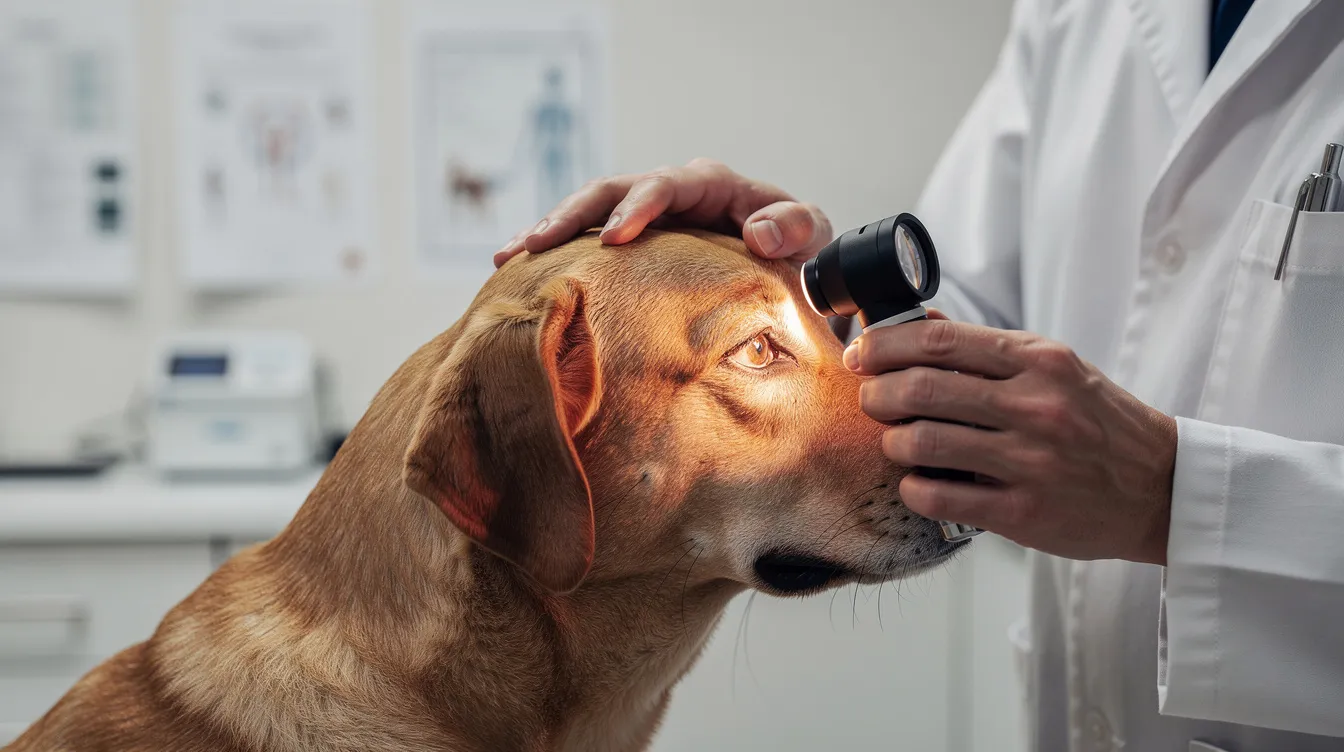
A suspected eye scratch in a dog is an urgent situation requiring immediate veterinary attention. If your dog scratched his eye, you need to act quickly—corneal scratches can develop into vision-threatening ulcers or infections if left untreated, and the eye is a delicate organ where injuries can escalate quickly. In most cases, you should seek veterinary care within 24 hours for eye injuries to prevent permanent damage. Remember, if my dog scratched his eye, it could lead to serious complications.
This guide covers how to assess the severity of your dog’s eye scratch, what immediate first aid steps to take, and when to seek emergency care versus scheduling a same-day appointment. It’s written specifically for dog owners in Central Florida-particularly those near Webster, FL-who need to quickly determine whether their pet’s eye injury requires immediate professional treatment or can wait until morning.
Why does this matter so much? Corneal ulcers can lead to blindness if untreated, and what starts as a minor surface scratch can progress to severe complications including infection or rupture of the eye within just 24–48 hours. Prompt treatment can prevent long-term vision loss in dogs, saving both your pet’s sight and potentially thousands of dollars in surgical costs.
Here’s what you’ll gain from reading this guide:
- How to assess whether your dog’s eye scratch is an emergency, urgent, or moderate concern
- Step-by-step first aid instructions to protect your dog’s eye before reaching the vet
- Clear guidelines on when to call Bushnell Animal Clinic or come in immediately
- Understanding of treatment options, healing timelines, and realistic cost expectations
- Knowledge of walk-in urgent care availability at our Webster, FL location

Understanding Eye Scratches in Dogs
A dog eye scratch-medically called a corneal abrasion-is damage to the cornea, the thin, clear tissue covering the front of the eyeball. The cornea is packed with nerve endings, which is why even a small scratch causes significant eye pain and discomfort. Understanding what’s happening to your dog’s eye helps you determine how urgently you need to act and what kind of treatment your pet may need.
Types of Corneal Injuries and Eye Scratches
Not all corneal injuries are the same, and the type of scratch your dog has directly affects urgency level and outcome.
Superficial corneal abrasions affect only the outermost epithelial layer of the cornea. These are the most common type and generally heal within 5–7 days with proper medical treatment-typically topical antibiotics, pain management, and an E-collar. While they may look alarming, these surface-level wounds carry the best prognosis when treated promptly.
Deep corneal ulcers extend into the stromal layers beneath the surface. These represent a much higher risk for complications including infection, corneal perforation, and permanent vision loss. Deep ulcers may require surgery or specialized ophthalmology care, including procedures like conjunctival grafting.
Melting ulcers are among the most severe disease processes affecting the cornea. Enzymes actively break down corneal tissues, and the wound can deteriorate in a matter of hours. These require immediate emergency medicine intervention.
Indolent ulcers (SCCEDs) appear superficial but fail to heal properly because the new epithelium won’t adhere to the underlying cornea. These are particularly common in breeds like Boxers and may require debridement or grid keratotomy to stimulate healing.
The difference between a simple scratch and a corneal ulcer that threatens your dog’s vision often comes down to depth and whether infection takes hold-which is why immediate reporting of symptoms to a veterinarian is crucial in case of eye injuries.
Common Causes and Risk Factors
The most common cause of corneal injuries in dogs is physical trauma-branches, thorns, or sharp objects encountered during outdoor activities. Dogs can also injure their eyes during play or a fight with other animals, and self-inflicted scratches from pawing at an irritated eye happen frequently. Foreign bodies like dust, grass seeds, and foxtails can lodge under the eyelids and create ongoing abrasion.
Certain breeds face higher risk. Brachycephalic (flat-faced) breeds like Pugs, Bulldogs, and Shih Tzus have naturally prominent eyes with greater exposure and reduced blinking, making corneal injuries more likely. Eyelid abnormalities such as entropion (inward-rolling eyelids) or distichiasis (abnormal eyelash growth) cause hair and lashes to rub against the cornea repeatedly. Dogs with dry eye (keratoconjunctivitis sicca) also face elevated risk because inadequate tear film leaves the corneal surface vulnerable.
Understanding these causes and risk factors helps you determine whether your dog’s scratch was likely a one-time accident or part of an ongoing pattern that needs to be addressed to protect their long-term eye health, including underlying issues like allergies in dogs and their treatment options.
Assessing Urgency and Severity Levels
Now that you understand the types of corneal injuries your dog may have, the next step is figuring out how urgently your pet needs care. Eye injuries can cause significant pain and discomfort even when they appear minor, so erring on the side of caution is always the right call. Bushnell Animal Clinic offers walk-in urgent care during business hours for exactly these situations and provides structured sick patient exams for pets so you don’t need an appointment when your dog’s eye is injured.
Emergency Signs of Corneal Ulcer Requiring Immediate Care
Seek emergency treatment immediately if you observe any of the following:
- Visible deep laceration or open globe injury-any wound where corneal or eyeball tissue appears torn, hanging, or exposed suggests a ruptured globe requiring immediate surgical assessment
- Eye bulging or severe swelling around the globe, which may indicate internal pressure changes or structural damage
- Sudden white or blue cloudiness across the cornea-cloudiness in the eye can indicate serious damage, including deep ulceration or corneal edema
- Pupil changes-one eye with a differently sized pupil compared to the other suggests internal eye injury
- Severe bleeding from or around the eye
- Your dog cannot open the eye at all-signs of a serious eye injury in dogs include squinting or holding the eye closed, and complete closure combined with extreme pain signals a potentially severe wound
- Aggressive behavior when the eye area is approached, indicating the injury is causing intense pain
These signs demand that you contact your veterinarian and head to the clinic now. Immediate veterinary care is crucial for dog eye injuries presenting with these symptoms.
Urgent Signs of Eye Pain Needing Same-Day Care
The following symptoms indicate your dog needs to be seen the same day-ideally within hours:
- Squinting or partially closed eye with visible discomfort
- Thick yellow or green discharge, which can indicate an eye injury in dogs and suggests possible infection
- Cloudiness or haziness over part of the cornea
- Excessive tearing beyond normal-excessive tearing can signal an eye injury
- Light sensitivity-your dog avoiding bright rooms or turning away from light
- Third eyelid elevated and partially covering the eye
- Redness in the eye, which indicates possible injury and inflammation
Bushnell Animal Clinic accepts same-day walk-ins for these urgent concerns. Call us at (352) 793-7222 to let us know you’re on your way so we can prepare.
Moderate Concerns for Next-Day Veterinary Visit
A next-day visit may be acceptable if your dog shows only:
- Slight redness without discharge or cloudiness
- Minor tearing or occasional rubbing without signs of intense pain
- Normal appetite, energy, and behavior aside from mild eye irritation
Even in these cases, do not delay beyond the next morning. Monitor overnight, apply an E-collar to prevent pawing at the eye, and schedule the earliest available appointment. Rubbing or pawing at the eye can cause further damage to the injury, rapidly turning a moderate concern into an emergency.

Immediate Care Steps and When to Call Your Veterinarian
Based on your severity assessment, you now need to take action. The following first aid steps can help decrease the risk of complications while you arrange veterinary care. Remember: preventive measures include using an e-collar to stop the dog from aggravating the injury, and keeping the dog calm to prevent further injury.
For emergency consultation, call Bushnell Animal Clinic at (352) 793-7222 or text us to describe symptoms and get immediate guidance.
Emergency First Aid Procedure for Corneal Abrasions
Use these steps before transport to your veterinarian:
- Safely restrain your dog-use gentle but firm restraint, ideally with a second person helping. Avoid touching or pressing on the injured eye. Do not apply pressure to the injured eye under any circumstances.
- Apply an E-collar immediately-this is the single most important step you can take at home. Pawing at the eye may suggest discomfort or injury, and an E-collar prevents your dog from turning a scratch into a deep ulcer.
- Flush the eye with clean water immediately-use sterile saline (0.9%) or a gentle stream of clean water to remove any debris, dust, or foreign objects. Keep the flow gentle; never use pressure.
- Do NOT apply medications-avoid using human eye drops on dogs. Over-the-counter drops, especially those containing steroids, can be dangerous and may worsen corneal injuries. Only use medications prescribed by your veterinarian.
- Keep the environment calm and dim-if your dog is showing light sensitivity, reduce lighting. Minimize exposure to wind, dust, and other irritants during transport.
- Document what you see-if possible, take a clear photo of the eye. This can help your veterinarian assess urgency if you call ahead and is useful for telemedicine consultation.
When to Call vs. When to Come In Immediately
Symptom | Recommended Action | Timeframe |
|---|---|---|
Deep laceration, visible tissue damage, ruptured globe | Come to clinic or emergency vet immediately | Within 1 hour |
Eye completely closed, severe pain, bleeding | Call us and come in immediately | Within 1–2 hours |
Cloudiness, colored discharge, significant squinting | Call for guidance, same-day visit | Within 4–6 hours |
Swelling around the eye with moderate discomfort | Call or text us for triage | Same day |
Mild redness, minor tearing, slight squinting | Monitor with E-collar, schedule appointment | Within 24 hours |
Slight irritation, no visible damage | Observe and contact clinic if symptoms progress | Next business day |
When you arrive, veterinarians may perform a fluorescein stain test to assess corneal damage-a quick, painless diagnostic that reveals scratches and ulcers invisible to the naked eye. This test is critical to determine the depth and extent of the injury and guide the treatment plan. |
Our Webster, FL location is easily accessible for urgent cases throughout Central Florida and is a convenient option if you’re looking for a veterinary clinic closest to you in Sumter County. During business hours (Monday–Friday 8:00 AM–5:00 PM, Saturday 8:00 AM–12:00 PM), we welcome walk-in urgent care patients without appointments.
Common Challenges and Solutions
Eye emergencies are stressful, and pet owners frequently face practical obstacles when trying to help their injured dog. Here are the most common challenges and how to handle them.
Dog Won’t Let You Examine the Eye
Eye injuries can cause significant pain, and many dogs resist having the injured area touched. Use a towel wrap for gentle restraint, and have a second person hold your dog’s body while you attempt to examine the face. If your dog becomes aggressive or extremely distressed, stop trying to examine the eye directly-forcing it risks further trauma to the cornea and injury to you.
Instead, use behavioral observation to assess severity: note whether your dog can open the eye at all, whether there’s visible discharge, and how they’re reacting to light. These observations, combined with photos, give your veterinarian enough information to determine urgency over the phone and allow us to tailor the kind of compassionate veterinary care services in Bushnell your dog may need.
Uncertainty About Scratch Severity
Many owners underestimate symptoms like mild cloudiness or slight discharge, yet these can be early warning signs of a progressing corneal ulcer. The reality is that it’s nearly impossible to determine scratch depth without professional examination and a fluorescein stain test.
When in doubt, call Bushnell Animal Clinic at (352) 793-7222 for phone consultation. You can also text us a photo of your dog’s eye for preliminary assessment. Our team can help you decide whether to come in immediately or monitor at home with specific instructions.
After-Hours Emergency Situations
Bushnell Animal Clinic hours are Monday–Friday 8:00 AM–5:00 PM and Saturday 8:00 AM–12:00 PM. We’re closed Sundays. If your dog’s eye injury happens outside these hours:
- Apply first aid measures immediately (E-collar, saline flush, keep calm)
- Contact emergency veterinary hospitals in the Central Florida region for after-hours care
- Have your pet seen at our clinic first thing the next business day if symptoms are moderate
- For severe injuries-deep wounds, suspected open globe, or rapidly worsening symptoms-do not wait. Seek the nearest emergency veterinary department immediately.
Having a plan in advance for after-hours emergencies makes a critical difference in outcome when accidents happen unexpectedly, just as year-round heartworm prevention for dogs in Florida protects your pet from another serious but preventable condition.
Conclusion and Next Steps
Every eye scratch in a dog has the potential to progress into a serious, vision-threatening condition. Corneal scratches can develop into corneal ulcers, deep infections, or even require enucleation-surgical removal of the eye-if left untreated. The single most important takeaway: when you notice any sign of eye injury, treat it as urgent and get professional evaluation as soon as possible.
Your immediate action items:
- Apply an E-collar to prevent your dog from pawing at the injured eye
- Flush the eye with clean water or sterile saline
- Call Bushnell Animal Clinic at (352) 793-7222 or text us to describe symptoms
- Come to our Webster, FL clinic for walk-in urgent care during business hours
- Document symptoms with photos for your veterinary team
For long-term prevention, keep hair trimmed around your dog’s eyes, inspect eyelid and eyelash alignment during routine wellness visits, use protective eyewear during hikes through brushy terrain, and address underlying conditions like dry eye early. Regular eye health monitoring can catch problems before they become emergencies and significantly reduce your dog’s risk of corneal injuries.
If your dog has already been treated for an eye scratch, follow-up care is equally important and should be part of regular wellness and preventive veterinary care. Attend all recheck appointments so your veterinarian can confirm the cornea is healing properly and adjust treatment if needed.

Frequently Asked Questions
Can I treat my dog’s scratched eye at home? Home first aid-saline rinse, E-collar application, and keeping your dog calm-is appropriate as an initial response, but it does not replace veterinary care. Avoid using human eye drops on dogs, as some contain ingredients that can worsen corneal damage. Almost all eye scratches need professional evaluation to determine depth, rule out infection, and prescribe appropriate antibiotics or pain medicine. The only safe home treatment is protecting the eye until you can reach your veterinarian.
How quickly do eye scratches heal in dogs? Superficial corneal abrasions generally heal within 5–7 days with proper medical treatment, including topical antibiotics and consistent E-collar use. Deeper ulcers or complicated cases-including indolent ulcers and those requiring surgery-may take 2–3 weeks or longer. Healing progress should be monitored through veterinary rechecks with fluorescein stain tests to confirm the wound is closing properly.
What are the signs of infection after an eye scratch? Watch for thick yellow or green discharge, worsening redness, increased swelling around the eye, progressive cloudiness, and your dog showing increased pain or keeping the eye closed. Infection can cause a simple scratch to become a melting ulcer, which is one of the most dangerous disease processes affecting the cornea. If you notice any of these symptoms, contact your veterinarian immediately.
How much does emergency eye treatment cost at Bushnell Animal Clinic? Treatment costs depend on severity. Uncomplicated, superficial corneal abrasions typically cost $150–$600, covering the exam, fluorescein stain test, antibiotic drops, pain management, and E-collar. Deeper or non-healing ulcers requiring specialized treatment like debridement range from $600–$1,500+. Advanced surgical intervention for melting ulcers, perforation repair, or conjunctival grafting by surgeons may cost $1,500–$3,500+. Some patients may also benefit from soft contact lenses used as bandage contact lenses to protect the cornea during healing. Early treatment almost always means lower costs and better outcomes.
Do you accept walk-ins for eye emergencies? Yes-Bushnell Animal Clinic offers walk-in urgent care during our operating hours (Monday–Friday 8:00 AM–5:00 PM, Saturday 8:00 AM–12:00 PM). Eye injuries are exactly the kind of concern our walk-in urgent care is designed for, alongside other ocular problems in pets such as herpes conjunctivitis in cats. No appointments necessary-just call us at (352) 793-7222 to let us know you’re coming so we can be prepared.
What should I do if my dog scratches his eye on weekends or after hours? Apply immediate first aid: E-collar, gentle saline flush, and keep your dog calm in a dim environment. On Saturdays, we’re open 8:00 AM–12:00 PM, so come in for walk-in urgent care if the injury happens during those hours. For Sunday or after-hours emergencies with severe symptoms, contact an emergency veterinary hospital in the Central Florida region. Have your dog seen at our clinic first thing the next business day for any moderate concerns.
How can I prevent my dog from scratching his eye again? Trim hair around your dog’s eyes regularly to reduce irritation and improve visibility of any developing problems. Have your veterinarian examine eyelid conformation and eyelash alignment during routine visits, especially for brachycephalic breeds at higher risk. If your dog has been diagnosed with dry eye or food sensitivities, consistent treatment with prescribed lubricants and appropriate hypoallergenic dog food for itchy skin and allergies helps protect the corneal surface. Use protective eyewear during activities in brushy or wooded terrain where branches and foxtails pose a risk, and partner with a trusted Bushnell vet clinic for compassionate pet care to monitor your dog’s overall eye health. Address any history of dog allergies and available treatments or eye infections promptly to decrease excessive pawing behavior.
Contact Bushnell Animal Clinic
For emergency and urgent eye care, reach us immediately:
📞 Call us: (352) 793-7222 💬 Text us: (352) 736-5352
Walk-In Urgent Care Hours:
- Monday–Friday: 8:00 AM – 5:00 PM
- Saturday: 8:00 AM – 12:00 PM
- Sunday: Closed
Location: 5899 SW 18th Terrace, Bushnell, FL 33513 Conveniently serving Webster, FL and surrounding Central Florida communities.
Dr. Roger Hart and our entire team are committed to treating every dog like our own, offering a wide range of services from routine care to advanced procedures like those described in our veterinary services and canine health blog. When your pet has an eye injury, don’t wait-call us, text us, or walk in for urgent care. Early intervention makes all the difference between a simple treatment and a complicated, costly recovery.

Leave a Reply