
Introduction
A dog ear infection is an inflammatory condition inside a dog’s ear, most often involving the ear canal and caused by bacteria, yeast, ear mites, foreign material, moisture, allergies, or another underlying disease. Because the right treatment depends on the infection type, depth, and underlying cause, a veterinary ear examination is the safest way to get effective treatment and prevent chronic dog ear infection issues.
This guide covers the symptoms, causes, diagnosis, treatment, and prevention of ear infections in dogs, with special attention to dog owners in Central Florida, including Bushnell and surrounding counties. It is designed for pet owners who want to recognize clinical signs early, understand what a veterinarian is looking for, and know when a dog’s ear problem needs urgent care. It does not replace an in-person exam, ear cytology, or a customized treatment plan.
Understanding the symptoms of a dog ear infection is crucial for early detection and treatment.
Prompt care for a dog ear infection can prevent more severe complications and ensure your dog’s health.
Dog ear infections are inflammatory conditions of the ear canal caused by bacteria, yeast, or underlying factors like allergies, and they require veterinary diagnosis and proper treatment. Left untreated, outer ear infections can spread to the middle and inner ear, risking permanent hearing loss or neurological issues.
In this article, you will learn how to, and how Bushnell Animal Clinic can support your dog’s ear health, to:
- Recognize common signs of an ear infection, including head shaking, scratching, ear discharge, and foul odor
- Understand the difference between otitis externa, otitis media, and otitis interna
- Compare bacterial and yeast infections and why testing matters
- Know what diagnosis and treatment may involve at Bushnell Animal Clinic
- Prevent recurrent ear infections through ear cleaning, moisture control, allergy management, and routine wellness care
Understanding Dog Ear Infections
Canine otitis, or dog ear infection, means inflammation of the ear, and it can affect the external ear canal, middle ear, or inner ear. In normal ears, the ear flap, external canal, horizontal canal, tympanic membrane, and deeper structures help collect sound, protect the ear from foreign bodies, and allow wax and debris to move outward. When that protective system is disrupted, inflammation, moisture, trapped debris, bacteria or yeast overgrowth, and pain can develop.
The Merck Veterinary Manual classifies ear disease by location and by cause, separating primary causes, secondary causes, predisposing factors, and perpetuating factors. This matters because killing bacteria and yeast is only part of treatment; the underlying cause must also be controlled if the dog has recurrent ear infections.
Managing allergies can significantly reduce the risk of developing a dog ear infection.

Moisture is the primary catalyst for yeast and bacterial growth in dog ears. When the normal protective barrier in a dog’s ear is disrupted, such as by allergies or lingering moisture, it can lead to an overgrowth of bacteria or yeast, resulting in an ear infection. Early detection of ear infections helps prevent them from spreading deeper into the ear canal or causing permanent damage.
Types of Ear Infections
If your dog shows signs of a dog ear infection, contact your veterinarian promptly.
There are three types of dog ear infections: otitis externa, otitis media, and otitis interna. Otitis externa is the most common type of dog ear infection, affecting the external ear canal, while otitis media and otitis interna are less common and involve deeper structures of the ear.
Otitis externa affects the external ear canal and is the form most dog owners notice first. Common signs include redness, odor, ear discharge, head shaking, scratching, and discomfort when the ear flap or base of the ear is touched. Most dogs with a simple external ear infection can improve with proper ear cleaning, topical medications, and follow-up testing.
Otitis media refers to middle ear infections. Otitis media typically occurs as a complication of otitis externa and can lead to more severe issues, including potential damage to the eardrum and inner ear. The Merck Veterinary Manual notes that middle ear disease is common in dogs with chronic otitis externa, which is why chronic cases often require more than routine ear drops.
Recognizing the signs of a dog ear infection early ensures prompt treatment and better outcomes.
A dog ear infection can often be treated effectively with timely veterinary care.
Otitis interna involves the inner ear and is less common but more serious. Inner ear infection can cause neurologic signs such as head tilt, loss of balance, abnormal eye movement, hearing loss, or facial nerve changes. The deeper the infection, the more urgent the case becomes.
Acute vs Chronic Infections
An acute dog ear infection develops quickly, often over several days, and may be linked to swimming, bathing, allergies, ear mites, grass awns, or a sudden change inside the ear canal. Acute infections are usually easier to treat when the ear drum is intact, the canal is open, and the underlying cause is identified early.
Chronic ear infections last longer, recur frequently, or fail to resolve with standard medication. In chronic cases of ear infections, the ear canals may become thickened or crusty, and the ear canal may narrow due to inflammation. Over time, chronic inflammation can lead to stenosis, scarring, calcification, trapped debris, diseased tissue, and chronic ear pain.
Understanding whether a dog has an acute infection or chronic ear disease helps determine the treatment plan. A new mild infection may need cleaning and topical ear medications, while chronic cases may require culture, advanced diagnostics and internal medicine support, long-term allergy management, or surgery. Recognizing symptoms early is the next step in preventing an external ear problem from becoming a middle ear or inner ear problem.
Recognizing Signs and Underlying Causes
Once inflammation begins inside the ear canal, signs can progress quickly. Some dogs show obvious pain, while others only show subtle head shaking, odor, or changes in behavior. Dog owners in Central Florida should be especially alert after swimming, bathing, humid weather, pollen exposure, or flare-ups of skin allergies.

Several factors can cause dog ear infections, including foreign bodies, ear mites, excessive moisture, food allergies, environmental allergies, endocrine issues, autoimmune diseases, polyps, certain types of cancer, and trauma to the ear. In Bushnell and surrounding counties, heat, humidity, grasses, molds, and seasonal allergens can make recurrent ear infections more likely, especially in dogs with floppy ears or hairy ears, and dogs with environmental or food allergies may be at even higher risk.
Common Symptoms and Warning Signs
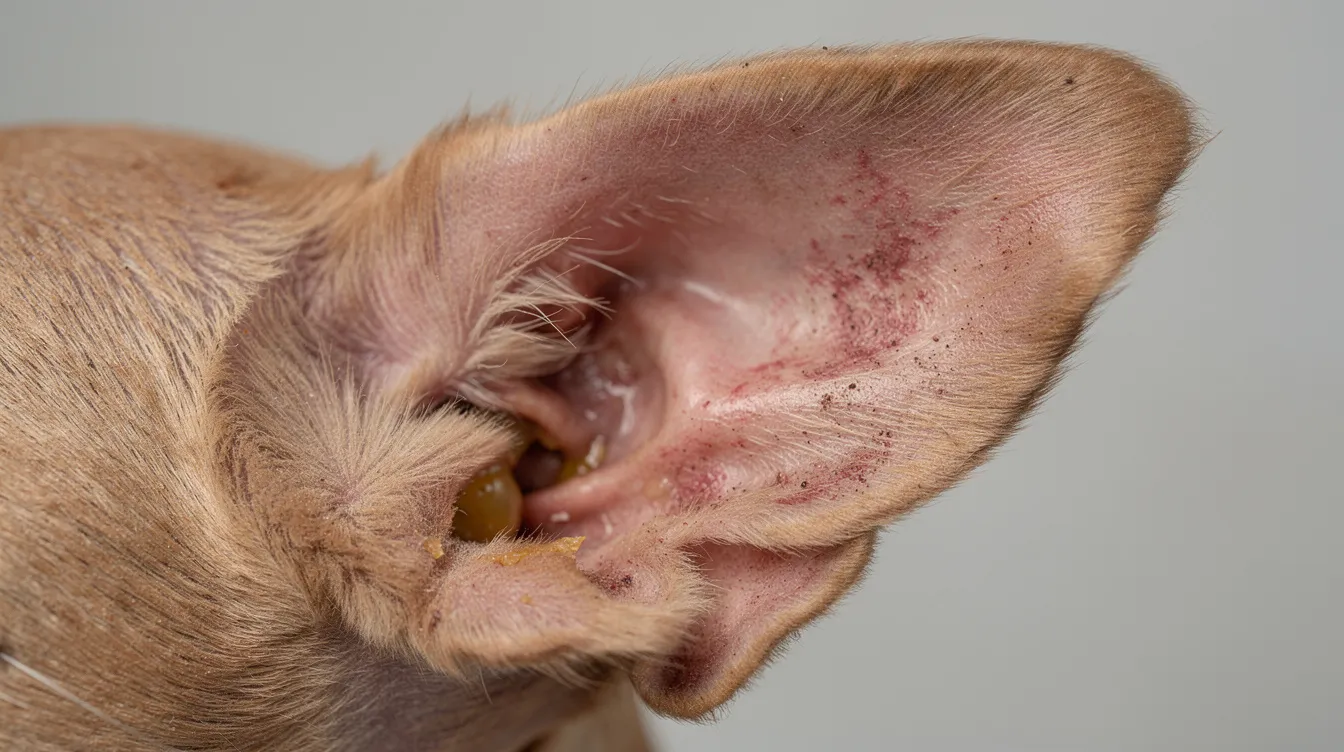
Common signs of an ear infection in dogs include head shaking, scratching at the ears, and a bad odor coming from the ear. Symptoms that warrant immediate veterinary attention include a strong odor, redness, swelling, discharge, and signs of severe pain. Dogs may also rub the affected ear on the floor, avoid having the head touched, cry when the ear flap is lifted, or develop an aural hematoma from repeated head shaking.
The ear canals of dogs with infections often appear red and inflamed, and there may be a black or yellowish discharge present. Ear discharge may be waxy, greasy, watery, thick, pus-like, brown, yellow, black, or green depending on whether bacteria, yeast, mites, or other factors are involved.
More serious signs suggest that infection may extend beyond the external ear. Pain when opening the mouth, hearing changes, head tilt, balance problems, facial asymmetry, or other neurologic signs may indicate otitis media or otitis interna. These signs should not be managed with home remedies.
Bacterial vs Yeast Infections
Yeast infections often produce a musty or yeasty smell with greasy brown discharge. Bacterial infections may cause a sharper foul odor, swelling, redness, pain, and yellow or pus-like ear discharge. Mixed infections with bacteria and yeast are also common, especially when allergies or moisture have altered the environment inside the ear canal.
Appearance and smell can guide suspicion, but they cannot confirm the cause. Professional diagnostic cytology involves examining the ear canal and swabbing for yeast, bacteria, or mites. Ear cytology helps determine whether the infection involves bacteria or yeast, what level of inflammation is present, and whether organisms such as rods may require culture and sensitivity testing.
Treatment protocols depend on the specific cause and severity of the ear infection, which veterinarians identify through physical exams and ear cytology. This is why using leftover ear drops or certain medications without knowing the eardrum status can be risky, especially if the tympanic membrane is ruptured.
The importance of addressing a dog ear infection cannot be overstated; neglecting it can lead to severe complications.
Primary and Secondary Causes
Allergies are one of the most important primary causes of ear disease. Allergic reactions are involved in as many as 43% of ear infection cases, particularly chronic or recurrent infections, and ear infections occur in 65% to 80% of dogs with food allergies. Environmental allergies, food allergies, and atopic dermatitis can inflame the ear canal before bacteria or yeast become the secondary problem.
Secondary causes include bacteria and yeast overgrowth after the ear environment has changed. Predisposing factors include floppy ears, hairy ears, narrow canals, excessive moisture, trapped foreign material, and poor airflow. Perpetuating factors include chronic thickening, narrowing, resistant bacteria, untreated otitis media, and long-standing inflammation.
Preventing a dog ear infection starts with understanding the risks and monitoring your dog’s ear health.
For Central Florida dogs, moisture control is especially important. Warm, humid conditions and frequent swimming can create the ideal setting for bacteria or yeast to multiply. Because several factors often interact, a prompt sick pet exam and professional diagnosis are essential before choosing treatment.
Professional Diagnosis and Treatment Approaches
A veterinary evaluation is the safest way to determine whether the problem is a mild external ear infection, chronic ear disease, otitis media, or otitis interna. At Bushnell Animal Clinic, the goal is not only to make the ear feel better, but also to identify the underlying cause, choose medication that matches the organisms present, and prevent recurrence through a full range of veterinary services.
The Merck Veterinary Manual emphasizes diagnostic steps such as otoscopic examination, cytology, culture when appropriate, cleaning, and treatment of primary causes. This approach is especially important when a dog has chronic ear infections, severe pain, resistant bacteria, or suspected middle ear involvement.
Diagnostic Procedures at Bushnell Animal Clinic
Diagnostic testing may be recommended when the infection is painful, recurrent, severe, unusually smelly, associated with neurologic signs, or not responding to previous treatment, and routine wellness and preventive care can help catch these issues earlier. A complete history helps identify allergies, swimming habits, prior medication use, previous infections, food changes, endocrine concerns, trauma, or exposure to grass awns and other foreign bodies.
- Otoscopic examination: The veterinarian examines the ear canal, external canal, horizontal canal, ear drum, inflammation level, discharge, swelling, masses, foreign material, and whether the tympanic membrane can be seen. If the dog is in significant pain or the canal is too swollen, sedation may be needed.
- Ear cytology: A sample from inside the ear canal is examined under a microscope for yeast, bacteria, inflammatory cells, and mites. This step helps separate yeast infections from bacterial infections and mixed infections.
- Culture and sensitivity testing: Chronic cases, severe infections, rod-shaped bacteria, suspected resistant bacteria, and failed treatments may require culture to identify the organism and choose effective medication.
- Advanced imaging: Radiographs, CT, MRI, or referral-level imaging may be recommended when otitis media, otitis interna, bulla disease, canal obstruction, or neurologic signs are suspected.
Treatment for dog ear infections often begins with a thorough cleaning of the ear canal, which may require sedation if the dog is in significant pain or if the ear canal is too swollen to examine properly. Cleaning helps remove debris so medication can reach the infected tissue.
Treatment Options Comparison
Treatment Type | Mild Infections | Severe/Chronic Cases |
|---|---|---|
Topical Medications | Ear cleaners and drops | Prescription combinations |
Systemic Therapy | Rarely needed | Oral antibiotics/antifungals |
Duration | 7-14 days | Several weeks to months |
Topical medications for ear infections typically combine antibiotics, antifungals, and anti-inflammatories, and are applied after the ear has been cleaned and dried to ensure effectiveness. Ear drops, ointments, and other ear medications may be selected based on cytology results, the condition of the ear drum, and the amount of inflammation. |
Veterinarians may prescribe systemic antibiotics or anti-inflammatories in cases where infections affect the middle or inner ear. Systemic therapy may also be needed when swelling is severe, the infection is deep, or topical treatment cannot reach the affected area.
Most dogs with mild otitis externa improve with proper technique, cleaning, prescribed topical medications, and recheck appointments. Severe or chronic cases take longer because the veterinarian must address the organisms, inflammation, canal changes, and underlying conditions that allowed the infection to persist.
Common Treatment Challenges and Solutions
Some ear infections do not respond to the first treatment because the problem is deeper than it appears, medication was stopped too early, the wrong organism was targeted, or the underlying cause was never controlled. Chronic ear infections are rarely solved by repeatedly changing ear drops without a complete diagnostic plan.
Incomplete Treatment Courses
Proper cleaning techniques can help prevent a dog ear infection from developing.
Stopping medication as soon as odor or scratching improves is a common reason for recurrent ear infections. Symptoms can improve before bacteria, yeast, inflammation, or debris are fully resolved. If treatment ends too early, the infection may return and become harder to treat.
Follow the full medication schedule and return for recommended recheck visits. Rechecks allow the veterinarian to repeat ear cytology, confirm that organisms are gone, and adjust the treatment plan before a mild improvement turns into another chronic ear episode.
Underlying Allergies Not Addressed
If environmental allergies or food allergies are driving inflammation, ear medications alone may only provide temporary relief. Dogs with allergies often develop repeated inflammation in the skin and ears, which allows bacteria or yeast to overgrow again.
Long-term allergy control may include flea control, food trials and hypoallergenic diets, prescription allergy medications, immunotherapy, skin support, bathing plans, and environmental management. For Central Florida pet owners, reducing exposure to pollen, mold, moisture, and seasonal triggers can help lower the frequency of ear infections.
Chronic Cases Requiring Surgery
In cases of severe or chronic ear infections, surgical options such as a total ear canal ablation (TECA) may be necessary to remove diseased tissue and provide relief when medical treatments fail. Total ear canal ablation removes the diseased ear canal, and when combined with bulla osteotomy, it addresses infected or abnormal middle ear tissue.
When faced with a dog ear infection, a timely response can greatly improve your dog’s comfort and health.
The Merck Veterinary Manual describes surgical management as an option for end-stage chronic ear disease, especially when the canal is narrowed, calcified, obstructed, or no longer responsive to medical treatment. Surgery requires general anesthesia and careful postoperative care, but it can significantly improve comfort for dogs with long-term pain from chronic ear disease.
Bushnell Animal Clinic can help determine whether continued medical management, advanced imaging, or referral for surgery is appropriate, and their educational blog and service information can also guide owners on what to expect. The best decision depends on the dog’s comfort, hearing status, middle ear involvement, prior response to treatment, and overall health.
Prevention and Long-term Ear Health
Preventing ear infections starts with keeping healthy ears clean, dry, and monitored without over-cleaning. Regular ear checks for temperature changes, skin discoloration, or sudden moisture presence can help prevent ear infections in dogs. If one ear suddenly feels warmer, smells different, looks red, or has new discharge, contact Bushnell Animal Clinic to schedule an exam before the problem worsens.
Keeping your dog’s ears clean with a veterinary-approved cleaner is essential to remove debris that could lead to infections. Routine ear cleanings using a veterinarian-approved ear cleanser are recommended every 1 to 2 weeks to prevent infections, though the ideal schedule may vary by breed, allergy status, swimming habits, and history of chronic ear infections.
Use proper technique when cleaning. Apply the ear cleaning solution as directed, gently massage the base of the ear to loosen debris, and wipe the visible outer ear with cotton balls. Avoid using cotton swabs to clean dog ears, as they can push debris deeper and risk rupturing the eardrum.
Moisture control is especially important in Florida. Avoiding moisture in the ears during bathing and using drying agents as recommended by a veterinarian can help prevent ear infections. After swimming or bathing, ask your veterinarian whether a drying agent is appropriate for your dog, especially if your dog has recurrent ear infections or a history of otitis externa.
Keeping the area around the ear canal trimmed can improve air circulation and reduce moisture trapping for breeds with long hair. Dogs with floppy ears, hairy ears, narrow canals, or chronic allergies may need more frequent monitoring than dogs with upright ears and no allergy history.
Annual wellness exams should include an ear assessment, even when the ears look normal. Dogs with chronic ear disease, food allergies, environmental allergies, endocrine disease, or previous otitis media may need a more specific prevention plan, including maintenance cleaning, allergy control, and periodic ear cytology.
Frequently Asked Questions
Regular check-ups help catch issues like a dog ear infection before they escalate.
A dog ear infection should always be evaluated by a veterinarian for proper diagnosis and treatment.
If you suspect a dog ear infection, do not delay seeking veterinary care.
If a dog ear infection recurs, reevaluate the dog’s health and environment for contributing factors.
Can I treat my dog’s ear infection at home without seeing a vet?
No. Home care can support prevention, but an active infection should be evaluated by a veterinarian. Ear infections can involve bacteria, yeast, ear mites, foreign bodies, a ruptured eardrum, otitis media, or otitis interna, and the wrong medication can delay healing or cause harm.
Effective management of a dog ear infection requires a comprehensive approach, including addressing underlying causes.
How long does it take for a dog ear infection to heal?
Your dog’s susceptibility to a dog ear infection can often be influenced by breed and ear structure.
Stay informed about your dog’s ear health to prevent a dog ear infection.
Understanding the difference between bacterial and yeast infections is key in managing a dog ear infection.
Mild otitis externa may improve within 7 to 14 days, but many infections need rechecks to confirm that bacteria or yeast are gone. Severe, recurrent, or chronic cases may take several weeks to months, especially if the middle ear, inner ear, allergies, or canal narrowing are involved.
Are certain dog breeds more prone to ear infections?
Yes. Dogs with floppy ears, hairy ears, narrow ear canals, or heavy ear flaps are often more prone to moisture retention and poor airflow. Cocker Spaniels, Basset Hounds, Poodles, Retrievers, and Shar-Peis are common examples, though any dog can develop an ear infection.
Preventive measures significantly reduce the risk of a dog ear infection.
Can ear infections spread to other pets or humans?
Most dog ear infections are not directly contagious to humans or other pets because they usually develop from allergies, moisture, or changes inside the ear canal. Ear mites can spread between animals, so pets with suspected mites should be examined and treated appropriately.
What should I do if my dog’s ear infection keeps coming back?
Consulting your veterinarian is crucial if your dog’s ear infection persists.
Schedule a veterinary exam with ear cytology and a review of underlying conditions. Recurrent ear infections often involve allergies, food allergies, resistant bacteria, moisture, endocrine disease, otitis media, or structural changes in the canal.
To avoid complications, ensure that your dog’s ears are regularly checked for signs of a dog ear infection.
When is surgery necessary for chronic ear infections?
Surgery may be considered when chronic ear disease causes severe pain, canal narrowing, calcification, trapped diseased tissue, repeated treatment failure, or middle ear involvement. Total ear canal ablation is typically reserved for severe chronic cases when medical treatment no longer provides lasting relief.
How can I prevent ear infections in my dog?
Check the ears regularly, clean with a veterinarian-approved ear cleanser every 1 to 2 weeks when recommended, keep ears dry after bathing or swimming, use drying agents only as directed, manage allergies, and avoid cotton swabs inside the ear canal. Dogs with chronic ear infections may need a customized prevention schedule.
What’s the difference between bacterial and yeast ear infections?
Yeast infections often smell musty and produce greasy brown discharge, while bacterial infections may cause stronger foul odor, pus-like discharge, swelling, and pain. Because appearance is not enough to confirm the cause, veterinarians use ear cytology to identify bacteria, yeast, mites, and inflammation before choosing treatment.

Leave a Reply