🐶 Understanding Bad Breath in Dogs and Cats When to Act
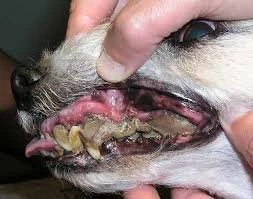
Bad breath in pets — also known as halitosis — is more than just an unpleasant smell. Persistent bad breath in dogs or cats is often a sign of underlying dental disease or systemic illness. Understanding the causes and knowing when to seek veterinary care can dramatically improve your pet’s comfort, health, and longevity.
What Causes Bad Breath in Dogs and Cats?
While many pet owners assume bad breath is normal, it’s almost always linked to a medical issue. The most common causes include:
1. Dental Disease (The #1 Cause of Pet Bad Breath)
Bacteria accumulate on the teeth and form plaque and tartar. Without proper dental care, this leads to gingivitis and eventually periodontal disease — a painful condition that destroys gum tissue and bone.
2. Metabolic Diseases
Conditions such as diabetes or kidney disease can cause distinctive breath odors, including sweet or ammonia‑like smells.
3. Respiratory Infections
Nasal or sinus infections, inflammation, or tumors can produce foul odors. Learn more about respiratory causes.
4. Gastrointestinal Issues
Digestive problems such as megaesophagus, foreign bodies, or GI disease can contribute to bad breath. Explore GI‑related causes.
5. Skin Fold Infections
Breeds with facial folds may develop infections like lipfold pyoderma, which produce strong odors around the mouth.
6. Diet & Behavior
Pets that eat foul‑smelling foods or non‑food items may develop temporary halitosis. Learn more about dietary causes.
Signs Your Pet’s Bad Breath Needs Veterinary Attention
Bad breath is rarely “normal.” Contact your veterinarian if you notice:
Sudden or worsening odor
Difficulty chewing or dropping food
Red, swollen, or bleeding gums
A fruity or acetone‑like smell (possible diabetes)
Pawing at the mouth or signs of pain
These symptoms often indicate dental disease or systemic illness that requires prompt care.
How Veterinarians Diagnose Bad Breath in Pets
A veterinarian will perform:
A full oral exam
Dental X‑rays (critical for detecting hidden disease)
An exam under anesthesia for a complete evaluation
This comprehensive approach ensures the true cause of halitosis is identified and treated effectively.
Treatment Options for Bad Breath in Dogs and Cats
Treatment depends on the underlying cause. Common veterinary recommendations include:
Tooth extractions for advanced periodontal disease
Antibiotics or anti‑inflammatory medications
Treatment for systemic diseases
Daily at‑home tooth brushing
Some products containing zinc citrate can help neutralize odor, but they do not replace professional dental care.
How to Prevent Bad Breath in Pets (Long‑Term Strategy)
To keep your pet’s mouth healthy:
Brush your pet’s teeth daily
Use veterinary‑approved dental chews
Monitor changes in breath or eating habits
Feed a balanced, high‑quality diet
Preventive dental care is one of the most effective ways to extend your pet’s lifespan.
Final Thoughts
Bad breath in dogs and cats is a warning sign — not a normal part of aging. With proper dental care and timely veterinary attention, most pets can enjoy fresh breath and excellent oral health throughout their lives.
Frequently Asked Questions About Bad Breath in Dogs
What causes bad breath in dogs?
Bad breath in dogs is most commonly caused by dental disease. Bacteria and plaque build up on the teeth and gums, producing unpleasant odors.
Is bad breath normal for dogs?
While mild odor may occur occasionally, persistent or very foul breath is usually a sign of dental problems or other health issues and should be evaluated by a veterinarian.
What dental problems cause bad breath in dogs?
Common causes include plaque buildup, tartar, gum disease (periodontal disease), tooth infections, and oral tumors.
Can diet cause bad breath in dogs?
Yes. Certain foods, eating spoiled material, or digestive problems can sometimes contribute to bad breath.
How can I improve my dog’s breath?
Regular tooth brushing, dental chews, proper nutrition, and routine veterinary dental cleanings can help maintain good oral health and reduce bad breath.
How often should I brush my dog’s teeth?
Ideally, dogs’ teeth should be brushed daily or several times per week using toothpaste designed specifically for pets.
When should I take my dog to the veterinarian for bad breath?
If your dog has persistent bad breath along with red gums, difficulty eating, drooling, or loose teeth, a veterinary examination is recommended.
Can bad breath indicate a serious health problem?
Yes. In some cases, bad breath may be associated with systemic conditions such as kidney disease, diabetes, or infections.
Do professional dental cleanings help with bad breath?
Yes. Veterinary dental cleanings remove plaque and tartar buildup that brushing alone cannot eliminate.
How can I prevent dental disease in my dog?
Preventive care includes regular tooth brushing, dental chews, professional cleanings, and routine veterinary examinations.
Related Dog Health Articles
You may also find these veterinary articles helpful:
• Brushing Your Dog’s Teeth
• Food Allergies in Dogs
• Complete Guide to Fleas in Dogs
• Emergency Medicine for Pets
• Heart Disease in Dogs
• How to Choose the Right Veterinarian
