Dog Skin Dry and Flaky: Causes, Relief & When to Call Bushnell Animal Clinic
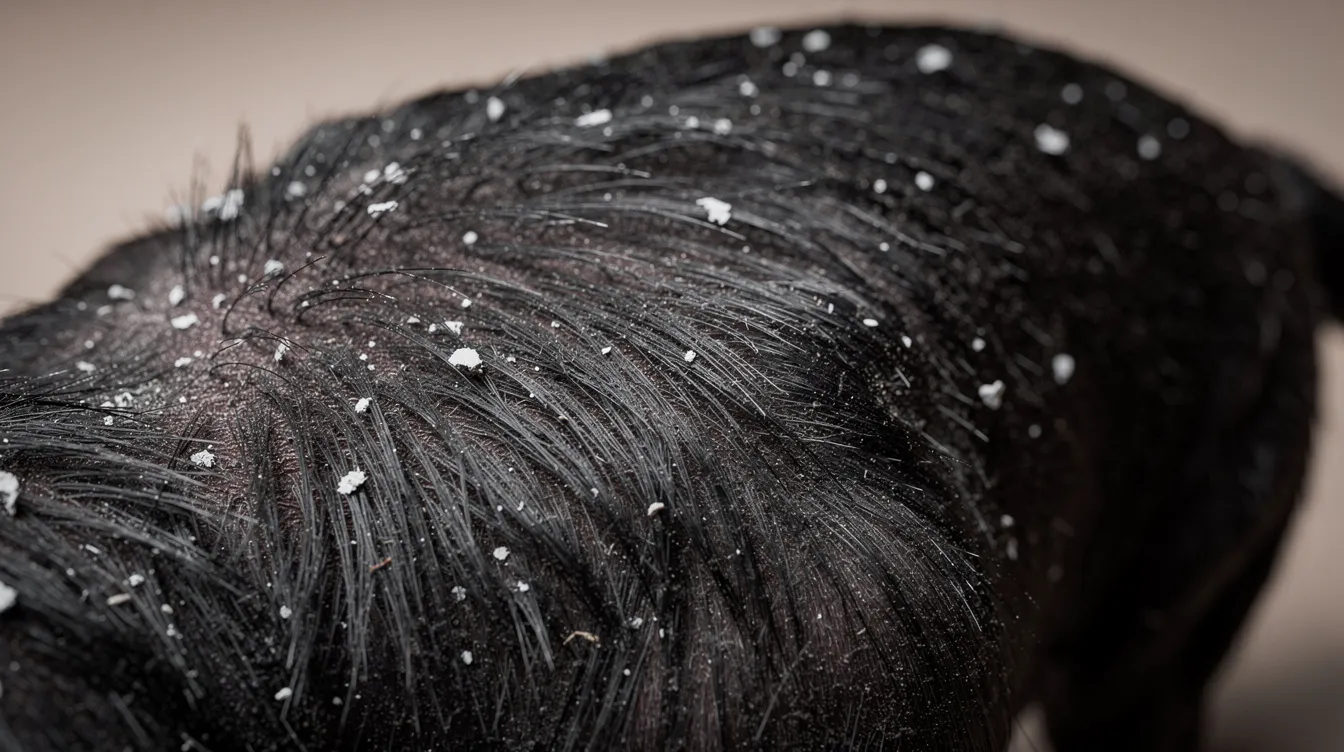
If you’ve noticed white flakes on your dog’s coat or rough patches along their back, you’re not alone. Dog dandruff and dry flaky skin are common concerns among pet owners in Central Florida—but they can signal anything from simple dry air irritation to allergies, parasites, or hormonal disease that needs veterinary attention. Identifying and treating your dog's dry skin as a specific condition is important, as recognizing symptoms early can help prevent discomfort and more serious health issues.
Quick Answers: Is Dry, Flaky Skin on Dogs Serious?
Dry and flaky skin in dogs is commonly caused by environmental factors, improper grooming, nutritional deficiencies, or underlying conditions. While mild seasonal flakiness without itching can often be monitored at home for a week or two with gentle grooming and moisturizing shampoos, more than 80% of cases of flaky skin in dogs are attributed to secondary causes—disruptions in the skin’s normal function due to other diseases.
Red flag signs that mean you should call Bushnell Animal Clinic quickly:
Intense itching or excessive scratching lasting more than a few days
Raw spots, bleeding areas, or cracked skin
Strong, unpleasant odor from the coat or skin folds
Sudden hair loss or bald patches
Scabs, pustules, or oozing lesions
Lethargy, not eating, or behavior changes
Symptoms in very young puppies or senior dogs
Consulting a veterinarian is advised if a dog exhibits excessive scratching, hair loss, or signs of infection. At Bushnell Animal Clinic, we provide comprehensive pet care for dogs and cats in Bushnell, including affordable diagnosis and treatment for dog’s dry skin throughout Bushnell, FL and surrounding Sumter County communities.
What Does Dry, Flaky Skin Look Like on a Dog?
Flaky skin can look like white “snow” scattered across a dark coat, greasy yellow scales concentrated along the back, or rough patches on the belly, ears, or tail base. Owners often first notice dog dandruff when brushing their furry friend, bathing them, or petting along the lower back and rump area.
Common signs to look for:
White or grayish flakes on the dog’s coat and bedding
Dull fur that lacks normal shine
Mild to moderate odor from dead skin cells accumulating
Occasional scratching or rubbing against furniture
Localized flaking (tail base, back) or all-over scaling
Visible loose fur during brushing
When it’s more than cosmetic: Redness, scabs, moist oozing skin, or a thinning coat indicate bacterial and fungal infections or other skin problems requiring veterinary evaluation rather than just moisturizing. If your pet's skin remains persistently dry or flaky, it’s important to consult a veterinarian to address underlying causes and maintain your pet’s overall health and comfort.
Why Do Dogs Develop Dry and Flaky Skin?
Flaky skin happens when the normal 21-day skin cell turnover accelerates or the skin’s natural moisture barrier dries out, causing dead skin cells to build up visibly on the coat. The sebaceous glands play a key role in producing sebum, an oily substance that helps keep the skin moisturized; imbalances in these glands can lead to dry, flaky, or oily skin conditions. Dry, flaky skin in dogs can be caused by a variety of factors, including genetic conditions, environmental influences, allergies, and underlying health issues.
It’s important to understand that dry dog skin is a symptom, not a single disease. In Central Florida, sudden weather swings between humid summers and drier winter months—combined with constant indoor AC—contribute significantly to coat health issues. While some dogs have primary genetic seborrhea or keratinization disorders, most cases are secondary to other underlying problems.
Environmental Factors and Grooming Habits
Environmental factors such as dry winter air and central heating can exacerbate skin dryness in dogs, leading to conditions like dandruff. Cold, dry weather can strip natural oils from a dog’s skin, leaving it flaky and irritated, similar to how indoor heating can dry out skin during the winter months.
Low humidity indoors: Central Florida homes often run AC year-round, maintaining only 20-30% indoor humidity versus 40-90% outdoors, dramatically increasing trans-epidermal water loss
Overbathing: Frequent bathing, especially in winter, can further exacerbate dryness if done incorrectly, as it can strip natural oils from the skin surface
Harsh shampoos: Human products and anionic shampoos with high pH levels strip the dog’s coat of protective sebum
Hot surfaces and pool chlorine: Summer pavement and chlorinated water dehydrate paws and bellies
Indoor irritants: Dust mites, mold, and scented cleaning products can trigger skin irritation in dogs with sensitive skin
Allergies (Food and Environmental)

Allergies are one of the most common reasons we see chronically itchy, flaky dogs at Bushnell Animal Clinic—accounting for 50-70% of chronic skin cases. Allergies to environmental or food triggers can cause inflammation and itching in dogs.
Environmental allergies: Pollens from Central Florida oaks, grasses, and weeds trigger atopic dermatitis with redness, itching, and scaly skin
Food allergies: Common food allergens like chicken, beef, or dairy cause year-round itchy dry skin and ear infections, even on a high quality diet
Behavioral clues: Allergic dogs often chew paws, rub faces, or lick bellies rather than just showing dry flakes
Diagnosis: Identifying allergies may require elimination diets or prescription allergy medications guided by a veterinarian
Parasites and Mites
External parasites like mites, fleas, or lice can contribute to dry skin in dogs—even when owners don’t see any insects. Florida’s year-round warm climate means flea pressure never truly stops.
Flea allergy dermatitis: Just a few flea bites trigger an allergic reaction with intense itching, hair loss over the rump, and scabs alongside flaky skin
Sarcoptic mange (scabies): These burrowing mites cause intense itch, crusts, and patchy hair loss easily mistaken for simple dryness, and severe itching can progress to painful hot spots on dogs
Demodex mites: Follicular mites cause comedones, scaling, and follicular casts, particularly in young dogs
Walking dandruff (cheyletiellosis): Large flakes appear to move because of visible mites along the dog’s back
Professional diagnosis required: Only skin scrapings performed by a vet can identify these parasites—year-round prevention is essential in Bushnell and greater Central Florida
Infections: Bacterial and Fungal
When a dog’s skin barrier is damaged from dryness or excessive scratching, bacteria and yeast like Malassezia can overgrow. This causes unpleasant odor, greasy coat, and worsening flakes that won’t resolve with moisturizing alone.
Bacterial pyoderma: Causes pustules, crusts, and dry flaky skin, often secondary to allergies or parasites
Yeast infections: Malassezia overgrowth creates greasy, smelly scaling, especially in skin folds and ears
Ringworm: This fungal infection causes circular hair loss, scaling, and is contagious to people and other pets
Diagnosis: Vets use skin cytology, tape preps, and fungal culture to identify skin infections before prescribing medicated shampoo or oral medications
Hormonal and Internal Health Problems
Hormonal issues such as hypothyroidism or Cushing’s disease are underlying health conditions that can affect skin health in dogs, typically appearing in middle-aged and older pets.
Hypothyroidism: Causes thin coat, weight gain, lethargy, recurrent skin infections, and dry flaky skin on dogs
Cushing’s disease: Leads to thin skin, excess sebum imbalances, hair loss on the trunk, and poor coat health
Other conditions: Diabetes, autoimmune disease, or cancer can also present with chronic skin changes, and vigilant owners may also detect unrelated issues such as mammary tumors in dogs during routine skin and coat checks
Testing required: Bloodwork and diagnostic testing at a vet clinic are necessary if dry skin comes with behavior, appetite, or weight changes
Breed Tendencies and Genetic Skin Disorders
Some breeds are predisposed to primary seborrhea or ichthyosis causing lifelong skin issues. A dog's breed plays a significant role in determining skin health, grooming requirements, and appropriate bathing frequency, so breed-specific care is important for maintaining healthy skin and coat. Golden Retrievers, Labrador Retrievers, American Cocker Spaniels, and Basset Hounds commonly experience these genetic conditions.
Hairless or thin-coated breeds like Chinese Cresteds may be more prone to dry skin from sun and wind exposure
Primary seborrheic dermatitis requires lifelong management with regular medicated bathing rather than a “cure”
Owners of predisposed breeds should consider early veterinary checkups and consistent skin care routines based on their dog’s breed
Nutrition and Coat Health

A balanced diet rich in essential fatty acids, such as omega-3s and omega-6s, can significantly improve a dog’s skin health by maintaining moisture and reducing flakiness. A dog's diet should be carefully selected to support healthy skin and coat, and a well-balanced pet's diet with essential nutrients and proper hydration is crucial for overall wellness. Poor diet contributes to dull coats and a dog’s dry skin even when calorie needs are met.
Key nutrients: Omega-3 fatty acids, omega-6 fatty acids, zinc, vitamin E, and quality protein maintain a flexible, hydrated skin barrier
Commercial food gaps: Many commercial dog foods lack sufficient levels of key nutrients necessary for skin health, which can lead to dryness and irritation
Poor nutrition risks: Home-prepared foods without veterinary formulation may lack these nutrients, contributing to chronic flaky skin
Professional guidance: Bushnell Animal Clinic can recommend veterinary diets tailored to support healthy skin and address skin issues
How Vets Diagnose the Cause of Dry, Flaky Skin
Veterinary diagnosis may be necessary if dry skin issues persist, as they can indicate underlying allergies or infections. At Bushnell Animal Clinic, skin appointments typically include:
Thorough history: When flakes started, pet’s diet, flea prevention status, bathing schedule, and other pets in the home
Full skin exam: Checking ears, paws, belly, tail base, and skin folds for redness, parasites, or lesions
In-clinic testing: Skin scrapings for mites, cytology for bacteria and yeast infections, flea combing, and fungal culture when needed
Advanced diagnostics: Persistent cases may require bloodwork for thyroid function, adrenal disease testing, or skin biopsy
Accurate diagnosis is essential before trying random shampoos or internet remedies—especially if the dog’s symptoms have lasted more than 2-3 weeks.
Treating Dry Skin on Dogs: Veterinary Options
Treatment always targets the underlying cause while soothing the pet’s skin itself. Most dogs improve significantly with a structured veterinary plan.
Parasite control: Monthly preventives and targeted treatments eliminate fleas and mites
Antimicrobials: Antibiotics for bacterial pyoderma, antifungals for yeast or ringworm
Anti-itch medications: Prescription options provide rapid relief from skin irritation and excessive scratching
Allergy management: Special diets for food allergies, prescription medications, or immunotherapy
Hormonal treatment: Thyroid supplementation for hypothyroidism, medication to control Cushing’s disease
Lifelong care: For genetic seborrhea, long-term bathing protocols and nutritional support keep symptoms controlled
Bushnell Animal Clinic focuses on affordable, realistic plans pet owners can maintain at home with scheduled rechecks.
Safe Home Care for a Dog’s Dry, Flaky Skin
While diagnosis should come from a vet, every pet parent can support treatment with consistent home care. Home remedies such as coconut oil, oatmeal baths, and fish oil supplements can soothe dry skin in dogs and provide relief from flakiness.
Regular brushing: Brush your dog regularly 3-4 times weekly to remove loose flakes and distribute natural oils throughout the coat
Proper bathing: Moisturizing shampoos specifically formulated for pets can help replenish natural oils and lock in hydration—bathe every 2-4 weeks, avoiding harsh shampoos and human products
Thorough rinsing: Residue left on the skin surface worsens flaky skin and dog dandruff
Humidity control: Using a humidifier can help maintain optimal humidity levels in the home to prevent dry skin in dogs, especially near heating vents during dry air conditions in winter months
Between-bath care: Vet-approved conditioners or sprays maintain skin hydration without leaving greasy residue
Nutrition, Supplements, and Long-Term Skin Health
Dry skin management connects to overall wellness—weight, activity, and gut health all affect skin in dogs. Proper hydration is crucial for maintaining healthy skin in dogs, as dehydration can lead to dull fur and dry skin.
Complete nutrition: Feed a balanced diet appropriate for your dog’s life stage—puppy, adult, or senior
Fish oil supplements: Fish oil and omega-3 fatty acids improve dry flaky skin and coat health, but add only under veterinary guidance to avoid excess calories or hormonal imbalances
Skin-support diets: Specialized veterinary diets combine ideal fatty acids, amino acids, and antioxidants for dogs with chronic skin condition issues
Fresh water access: Consistent hydration prevents worsening flaky skin, especially in hot Central Florida weather
Comprehensive planning: Bushnell Animal Clinic can design nutrition plans for dogs with both skin and other underlying health problems like joint disease, weight issues, or concurrent conditions such as canine lipomas
When to Call Bushnell Animal Clinic About Dry, Flaky Skin
It’s always better to call early than wait until the skin develops secondary bacterial and fungal infections that become painful or bleeding.
Schedule an appointment if you notice:
Intense scratching, raw areas, or bleeding spots
Strong odor from the coat or underlying health conditions affecting behavior
Sudden hair loss or spreading bald patches
Lethargy, appetite changes, or any skin change in puppies or senior dogs that could signal a need for prompt urgent pet care in Bushnell
Dry skin or dog dandruff lasting more than 2-3 weeks or keeps returning
Pet owners in Bushnell, Center Hill, Webster, and nearby Central Florida communities should bring a list of current foods, treats, supplements, and flea preventives to appointments. Photos showing when symptoms first started can help your veterinarian identify the underlying cause more quickly.
Contact Bushnell Animal Clinic to discuss your dog’s symptoms and arrange an appointment. Our family-friendly, community-oriented team is here to help. With proper diagnosis, most dogs with dry, flaky skin return to comfortable, healthy skin and a shiny coat.
