Dog Lump Under Skin: 9 Possible Causes and When to Worry
Finding a lump under your dog’s skin can be alarming. Many pet owners discover a bump while petting their dog or during grooming and immediately worry about cancer. While some lumps can be serious, many are harmless growths that veterinarians see every day.
Understanding the possible causes of a lump under your dog’s skin—and knowing when to seek veterinary care—can help you make informed decisions about your pet’s health.
This guide explains the most common reasons dogs develop lumps, how veterinarians diagnose them, and when treatment may be necessary.
How Common Are Lumps in Dogs?
Lumps and bumps are very common in dogs, especially as they age. Many of these growths are benign, meaning they are not cancerous and may not require treatment.
However, because some lumps can be malignant tumors, any new growth should be evaluated by a veterinarian.
Veterinarians such as Roger Hart often recommend examining any lump that:
Appears suddenly
Grows rapidly
Bleeds or ulcerates
Causes discomfort
Early evaluation helps determine whether the lump is harmless or requires treatment.
9 Possible Causes of a Lump Under Your Dog’s Skin
1. Lipoma (Fatty Tumor)
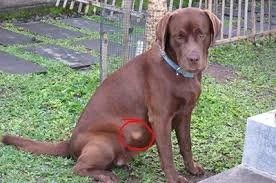
Lipomas are one of the most common benign tumors in dogs.
These fatty growths usually:
Feel soft
Move easily under the skin
Grow slowly
Occur in middle-aged or older dogs
Lipomas are typically harmless and may not require removal unless they interfere with movement or grow very large.
2. Histiocytoma
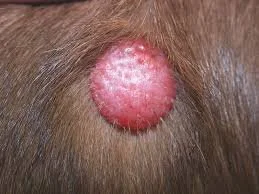
A histiocytoma is a benign skin tumor that often occurs in younger dogs.
These growths usually appear as:
A small red lump
Hairless surface
Rapid growth
They are commonly found on the ears, face, or limbs. Many histiocytomas regress on their own within a few weeks.
3. Mast Cell Tumor
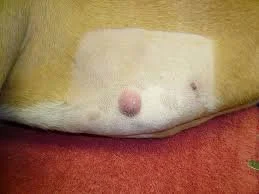
Mast cell tumors are among the most common malignant skin tumors in dogs.
They can vary widely in appearance. Some look like simple lumps under the skin, while others may be:
Red
Swollen
Ulcerated
Because mast cell tumors can spread to other organs, early diagnosis and treatment are important.
4. Sebaceous Cyst
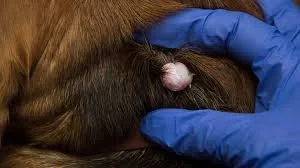
Sebaceous cysts develop when oil glands in the skin become blocked.
These cysts often appear as:
Round bumps
White or yellowish material inside
Slow-growing lumps
If they rupture, they may release a thick discharge.
5. Abscess
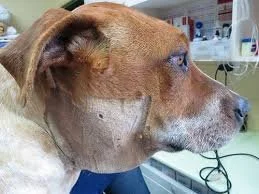
An abscess is a pocket of infection beneath the skin.
These lumps may:
Appear suddenly
Feel warm or painful
Swell quickly
Abscesses often occur after bites, scratches, or puncture wounds. Veterinary treatment usually involves draining the infection and prescribing antibiotics.
6. Papilloma (Wart)
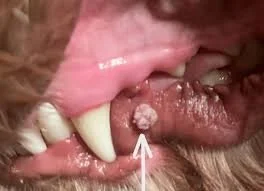
Papillomas are viral warts that commonly affect young dogs.
They typically appear as:
Small cauliflower-like growths
Multiple lesions around the mouth or face
Most papillomas resolve on their own without treatment.
7. Hematoma

A hematoma is a collection of blood under the skin caused by trauma.
These lumps may develop after:
Injury
Excessive scratching
Ear shaking
Hematomas often require veterinary care to prevent complications.
8. Injection Site Reaction
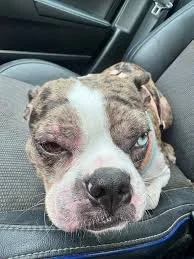
Sometimes lumps appear after vaccinations or injections.
These small swellings are usually temporary and disappear within a few weeks.
If the lump persists longer than a month or continues to grow, it should be examined by a veterinarian.
9. Cancerous Tumors
Some lumps under the skin may be malignant tumors.
Examples include:
Soft tissue sarcoma
Melanoma
Mast cell tumors
Cancerous lumps often:
Grow quickly
Become firm
Attach to underlying tissue
Ulcerate or bleed
Early detection is important for successful treatment.
Signs a Lump May Be Dangerous
While many lumps are benign, certain characteristics can indicate a more serious condition.
Watch for:
Rapid growth
Firm or irregular shape
Bleeding or ulceration
Pain when touched
Sudden changes in size
If you notice any of these signs, schedule a veterinary exam as soon as possible.
How Veterinarians Diagnose Lumps
Veterinarians use several methods to determine the nature of a lump.
Fine Needle Aspiration

This is one of the most common diagnostic procedures.
A small needle is inserted into the lump to collect cells, which are then examined under a microscope.
This test is quick, minimally invasive, and often provides valuable information.
Biopsy
If more information is needed, a biopsy may be performed.
A biopsy involves removing a small piece of tissue for laboratory analysis.
This procedure provides a definitive diagnosis and helps guide treatment decisions.
Imaging
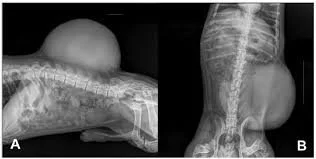
In some cases, imaging such as X-rays or ultrasound may be used to evaluate whether a tumor has spread to other parts of the body.
Treatment Options for Dog Lumps
Treatment depends on the type of lump diagnosed.
Monitoring
Some benign lumps, such as lipomas, may only require monitoring.
Your veterinarian may recommend measuring the lump periodically to check for changes.
Surgical Removal
Surgery is often recommended for:
Cancerous tumors
Rapidly growing lumps
Masses that interfere with movement
Removing a tumor early can significantly improve outcomes.
Medication
Certain conditions, such as infections or inflammatory reactions, may be treated with medication.
Antibiotics or anti-inflammatory drugs may be prescribed depending on the diagnosis.
When Should You See a Veterinarian?
Any new lump should be evaluated by a veterinarian, especially if it shows signs such as:
Rapid growth
Bleeding
Pain
Changes in color or texture
Early diagnosis allows for more treatment options and better outcomes.
Preventing Skin Problems in Dogs
While not all lumps can be prevented, regular health monitoring helps detect problems early.
Pet owners should:
Check their dog’s skin during grooming
Look for new lumps or changes in existing ones
Schedule regular veterinary exams
Early detection is one of the best ways to protect your dog’s health.
Final Thoughts
Discovering a lump under your dog’s skin can be concerning, but many lumps are benign and easily treated.
The most important step is having the lump evaluated by a veterinarian to determine its cause.
If you notice a new growth or changes in your dog’s skin, call Bushnell Animal Clinic for Dr. Roger Hart to seek the professional advice that your pet deserves and the care it needs.
Frequently Asked Questions About Lumps Under the Skin in Dogs
What causes a lump under a dog’s skin?
Lumps under a dog’s skin can have many causes, including lipomas (fatty tumors), sebaceous cysts, abscesses, papillomas, benign tumors, or cancerous growths. A veterinarian should evaluate any new lump to determine the cause.
Are lumps under a dog’s skin always cancerous?
No. Many lumps in dogs are benign, such as lipomas or cysts. However, some lumps can be cancerous, so it is important to have any new lump examined by a veterinarian.
How can I tell if a lump on my dog is serious?
A lump that grows quickly, becomes firm, ulcerated, painful, or changes in size should be examined by a veterinarian. Rapid changes or signs of discomfort may indicate a more serious condition.
What does a lipoma feel like on a dog?
Lipomas usually feel soft, smooth, and movable under the skin. They are commonly found on the chest, abdomen, or legs of middle-aged and older dogs.
Can cysts cause lumps under the skin in dogs?
Yes. Sebaceous cysts can form when a hair follicle or oil gland becomes blocked, creating a round lump under the skin.
Can infections cause lumps under a dog’s skin?
Yes. Abscesses are lumps caused by infection and may contain pus. They often develop after bite wounds, punctures, or injuries.
Should I take my dog to the veterinarian for a lump?
Yes. Any new lump or swelling should be examined by a veterinarian. Early evaluation helps determine whether the lump is benign or requires treatment.
How are lumps under the skin diagnosed in dogs?
Veterinarians may perform a physical exam, fine needle aspirate, biopsy, or imaging to determine the type of lump and whether treatment is necessary.
Can benign lumps in dogs grow larger?
Yes. Some benign lumps, such as lipomas, may slowly increase in size over time. Even benign growths should be monitored for changes.
When should I be concerned about a lump on my dog?
You should seek veterinary evaluation if a lump grows quickly, becomes painful, bleeds, ulcerates, or changes in appearance.
Related Dog Health Articles
You may also find these veterinary articles helpful:
• Lipoma in Dogs
• Sebaceous Cyst in Dogs
• Dog Abscess
• Canine Papilloma Virus
• Hamartoma in Dogs
• Dog Mammary Tumor
• Dog Skin Infection
• Dog Warts and Skin Growths
• Dog Skin Tumors
