How Long For Dog To Poop After Diarrhea? (Bushnell Animal Clinic Guide)
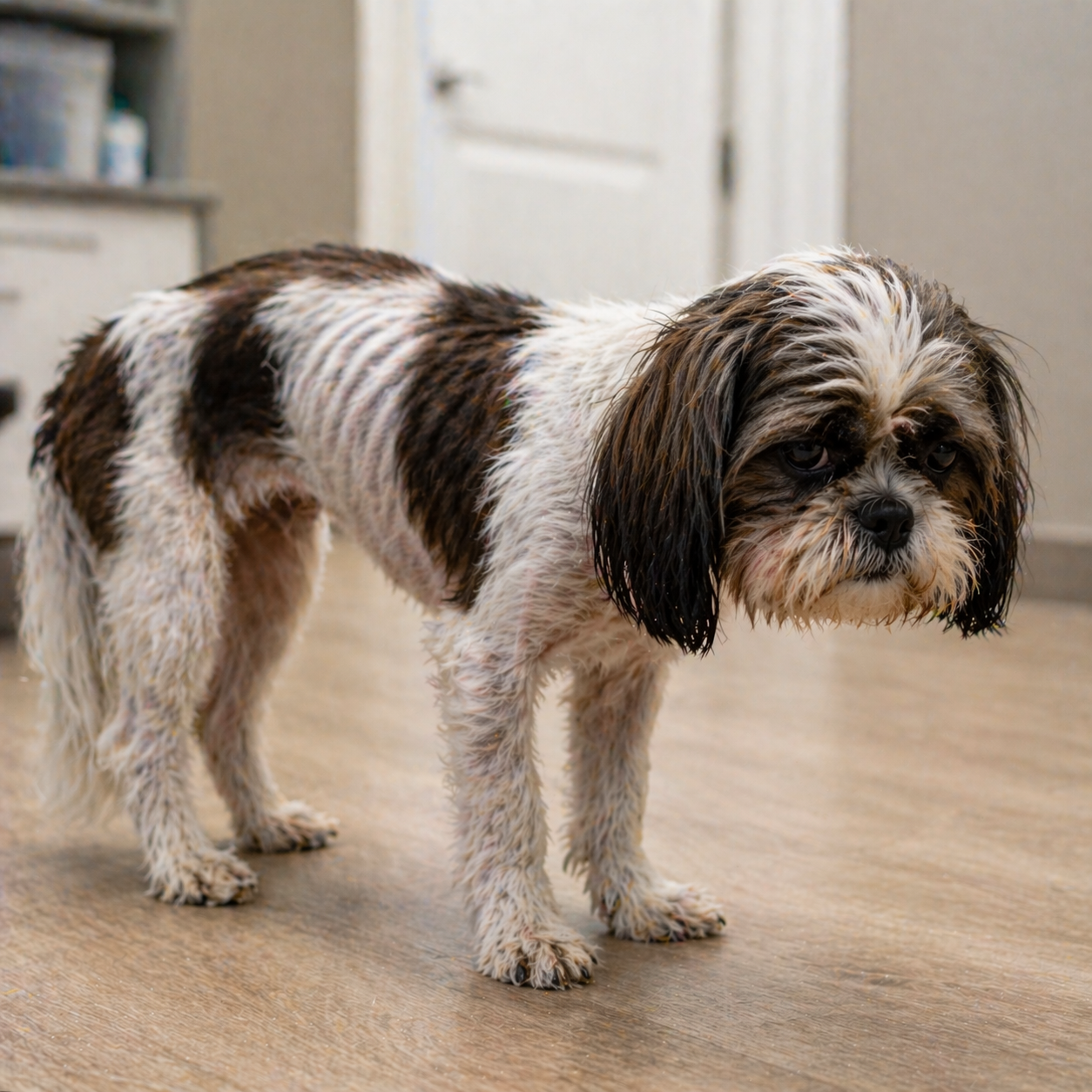
When your dog has been experiencing diarrhea, it’s natural to worry when normal bowel movements don’t return right away. At Bushnell Animal Clinic, we regularly hear from concerned pet parents asking this exact question. Here’s what you need to know about your dog’s digestive recovery.
Quick Answer: When Should My Dog Poop Again After Diarrhea?
Most dogs will not have a normal bowel movement for 24 to 72 hours after a bout of diarrhea because their intestines are temporarily “emptied out.” In most cases, mild diarrhea resolves on its own within a few days. Typically, dogs may not need to defecate for a couple of days after acute diarrhea, which is a normal part of their digestive recovery process.
As long as your pet is comfortable, eating, drinking, and not straining, going 1–2 days without poop after diarrhea is usually nothing to worry about. After experiencing diarrhea, it can take a dog a couple of days to resume normal bowel movements as their gastrointestinal tract adjusts and healthy stool forms.
Dog owners in Bushnell and Central Florida should call Bushnell Animal Clinic if:
No poop at all for more than 72 hours after diarrhea
The dog is vomiting, painful, lethargic, or has a swollen abdomen
Normal vs. Not Normal Timelines:
Within 24 hours: No stool or minimal soft stool is typical
24–72 hours: A single small, soft stool or continued absence is expected
More than two days (over 48 hours): If your dog has not pooped for more than two days after diarrhea, consult your veterinarian.
Over 72 hours: Time to contact your veterinarian
Small dogs, puppies, and senior dogs may need earlier evaluation due to higher dehydration and complication risks. A young puppy can become dehydrated rapidly from unchecked diarrhea.
Why Might My Dog Not Poop After Diarrhea?
Diarrhea quickly empties the colon through rapid fluid secretion and hypermotility, so it takes time for normal stool to rebuild and move through your dog’s digestive tract.
Key reasons your dog may not poop for a day or two after diarrhea:
Bowels are temporarily empty after repeated loose stools cleared the intestinal tract
Reduced food intake during illness or a bland diet means less bulk to pass
GI tract is slowing down while healing from irritation or inflammation
Stomach upset from mild gastrointestinal disturbances can temporarily alter bowel movements
Anti-diarrheal medications slow down gut motility, often resulting in a delay before the next bowel movement
Stress or discomfort from the recent episode can change normal bathroom patterns
These short-term changes differ from true dog constipation (hard, dry stools and straining) and from a blockage (minimal or no stool with pain, vomiting). At Bushnell Animal Clinic, we commonly see this pattern in dogs recovering from dietary indiscretion, minor infections, or sudden dietary changes—even small amounts of new or rich foods can cause digestive upset.
Normal Recovery Timeline: What to Expect Day by Day
Every dog is different, but most mild episodes of a dog's diarrhea in healthy adult dogs follow a similar pattern. It may take 3 to 7 days for the digestive system to return to normal functioning after diarrhea. It typically takes several days for new food to travel through a dog’s approximately 15 feet of intestines.
Day-by-day expectations:
First 24 hours: Loose or watery stools with more frequent trips outside; some dogs may skip a meal
24–48 hours after the last loose stool: Often no stool at all or a single small, soft stool
48–72 hours: Stool usually returns to formed but may still be softer or smaller than usual
After 72 hours: Most dogs should be passing normal stools on a regular schedule again
As long as your dog is bright and alert, drinking normally, not vomiting, and not repeatedly straining without results, a short period with little or no stool can be expected.
Keep a simple log of stools, appetite, and energy level during recovery to share with your veterinarian if you call or come in. At Bushnell Animal Clinic, we can review this log during appointments to better understand your dog’s GI pattern.
Is My Dog Constipated After Diarrhea?
It’s important to distinguish “no poop because the colon is empty after diarrhea” from true constipation and from dangerous obstructions.
Signs of a normal post-diarrhea pause:
No stool for 24–48 hours, but no straining
Dog is comfortable, sleeping normally, and willing to walk or play
Abdomen feels soft, not tight or distended
Eating lightly or normally, no vomiting
Signs suggesting constipation:
Straining to defecate with little or no stool
Passing small, hard, dry stool
Vocalizing, pacing, or appearing uncomfortable when trying to poop
Occasional streaks of blood or mucus from irritation
Constipated dogs may also exhibit unusual behaviors such as defecating in unusual locations or producing small quantities of stool mixed with mucus or blood
If a dog has not produced stool for more than a couple of days following a diarrhea episode, it may indicate constipation, and a veterinarian should be consulted.
Signs suggesting a possible blockage or serious problem:
No stool for more than 48–72 hours after diarrhea resolved
Repeated attempts to squat with nothing or only small dribbles of watery stool
Vomiting, especially if persistent or projectile
Bloated or very painful abdomen; dog may yelp when touched
Lethargy, refusal to eat, or collapse
Obstructions can be caused by items like bones, toys, corn cobs, or fabric, which are frequently diagnosed at Bushnell Animal Clinic via X-rays or ultrasound. Never give human laxatives or enemas without direct veterinary guidance, as many are unsafe for dogs.
When Should I Call the Vet in Bushnell About No Poop After Diarrhea?
It’s always appropriate to call a veterinarian if you’re worried, especially if your dog seems different from their normal self. If a dog shows signs of discomfort, such as lethargy or vomiting, veterinary advice should be sought.
Call the vet now if you notice:
No stool for more than 72 hours after diarrhea, even if the dog seems okay
No stool for more than 24–48 hours along with any vomiting, obvious pain, or belly swelling
Straining to defecate and no bowel movement after 48 to 72 hours
Frequent, unproductive straining or crying when trying to defecate
Diarrhea that returns or alternates with straining and tiny amounts of stool
Black, tarry stool or stool with large amounts of bright red blood
Other signs such as lethargy, vomiting, or behavioral changes may indicate a more serious problem and should prompt a call to your veterinarian.
Puppies, senior dogs, small breeds, and dogs with chronic conditions are at higher risk and should receive veterinary attention sooner.
At Bushnell Animal Clinic in Bushnell, FL, Dr. Roger Hart typically starts with a thorough physical exam and may recommend fecal tests for intestinal parasites, blood work to assess hydration and organ function, or abdominal X-rays or ultrasound if obstruction is suspected. Some cases of post-diarrhea constipation or obstruction must be treated by a veterinarian to ensure your dog's health and safety.
Home Care While Your Dog Is Recovering from Diarrhea
Mild diarrhea and short-term lack of stool often can be supported at home under veterinary guidance. However, any concerning other symptoms should prompt an exam.
Home care plan:
Hydration: Providing plenty of fresh water during recovery is essential to avoid dehydration and constipation. Dehydration during recovery can lead to temporary constipation. Offer small, frequent water portions if your dog has been vomiting, but persistent vomiting needs veterinary care.
Bland diet: It is advisable to withhold food for 12–24 hours before introducing a bland diet to allow the dog’s gastrointestinal tract to settle. A bland diet, such as boiled chicken or low-fat hamburger with white rice, is often recommended for dogs recovering from diarrhea as these foods are easy to digest. Feed several small meals rather than one large portion for 2–3 days after diarrhea stops, then gradually transition back to regular dog food over 5–7 days.
Fiber support: Adding fiber, such as canned pumpkin, can help firm up stools in dogs recovering from diarrhea, but it should be introduced gradually and in moderation.
Portion control: Avoid large meals, excessive treats, or fatty foods (bacon, sausage, greasy table scraps) for at least a week to prevent recurrence of digestive upset.
Rest & routine: Keep exercise moderate, maintain a predictable feeding and walking schedule, and allow the gut to recover.
Observation: Monitor for changes in stool consistency, frequency, presence of blood or mucus, and overall health.
Bushnell Animal Clinic may recommend probiotics or prescription GI diets to support recovery. Never use over-the-counter human medications like Pepto Bismol (bismuth subsalicylate) or Imodium without explicit veterinary approval.
What Causes Diarrhea in the First Place (And Can It Lead to Problems Later)?
Understanding why your dog’s diarrhea happened helps predict whether the recovery will be simple or more complicated.
Common causes:
Dietary indiscretion: Eating garbage, old food, or table scraps is one of the most common causes of diarrhea in dogs, especially around holidays and barbecues in Central Florida
Sudden diet changes: Switching to a new food or new diet too quickly can cause upset stomach; sudden dietary changes without a gradual 7–10 day transition disrupt gut bacteria
Infections: Bacterial and viral infections are common causes of diarrhea, particularly in unvaccinated dogs and puppies; Bushnell Animal Clinic strongly recommends core vaccinations
Parasites: Intestinal parasites and microscopic parasites like Giardia can lead to diarrhea, especially in young puppies or dogs with compromised immune systems; we recommend regular fecal checks and year-round prevention
Ingesting toxins: Including household chemicals or certain human foods, can cause diarrhea and may require immediate veterinary care
Chronic conditions: Inflammatory bowel disease, pancreatitis, liver or kidney disease
Medication side effects: Especially antibiotics or NSAIDs affecting the GI tract
Some causes may lead to repeated cycles of diarrhea if the underlying cause isn’t properly diagnosed with specific treatment. Bushnell Animal Clinic offers diagnostics including blood work, imaging, and specialized fecal testing for dogs with recurrent issues.
Safe Ways to Support Your Dog’s Gut Health Long-Term
The more stable your dog’s gut, the less likely they’ll experience the diarrhea–no poop cycle. Preventative care makes a difference.
Long-term strategies:
Consistent, high-quality dog’s diet: Choose a complete and balanced food appropriate for age and general health; avoid frequent brand or protein switches without a gradual transition
Regular preventive care: Annual or semiannual exams at Bushnell Animal Clinic, vaccinations, and parasite prevention reduce infection-related diarrhea
Probiotics and prebiotics: Vet-recommended products can help maintain healthy gut bacteria and support the health of your dog's digestive tract, especially in dogs with sensitive stomachs
Exercise and weight management: Daily walks support regular bowel movements and overall health
Environmental management: Secure trash, yard, and household items to limit access to bones, toys, chemicals, and foreign objects
Establish a “normal poop baseline” for your pet so you can quickly recognize and report changes to Bushnell Animal Clinic. Maintaining a healthy dog's gastrointestinal system is key to preventing future issues.
Special Considerations: Puppies, Seniors, and Dogs with Chronic Illness
Some dogs are more fragile and cannot safely “wait and see” as long after diarrhea before being evaluated.
Puppies: At higher risk for parvovirus, internal parasites, and rapid dehydration. Seek veterinary evaluation if diarrhea lasts more than 24 hours or if there is no stool for more than 24 hours after an episode, especially with lethargy, vomiting, or not eating.
Senior dogs: Older pets may have underlying organ disease or cancers. Any prolonged diarrhea or extended lack of stool should be discussed with a veterinarian promptly.
Dogs with chronic conditions: Those with kidney disease, liver disease, diabetes, or Addison’s disease should be monitored closely. Even mild cases or changes in bowel habits can signal a flare-up that could become life threatening without treatment.
Bushnell Animal Clinic tailors diagnostic and treatment plans for these high-risk groups, often recommending sooner rechecks.
How Bushnell Animal Clinic Can Help If Your Dog Isn’t Pooping After Diarrhea
As a local, doctor-led veterinary team under Dr. Roger Hart, Bushnell Animal Clinic serves Bushnell and surrounding Central Florida communities with comprehensive veterinary care.
When you call or visit, expect:
Discussion of your dog’s history, including timing of diarrhea, last normal poop, diet, and any possible foreign objects or toxins
A nose-to-tail physical exam including abdominal palpation and hydration assessment
Recommended diagnostics: stool sample analysis, blood work, X-rays, or ultrasound as needed
A clear treatment plan including prescription GI diets, probiotics, anti-nausea medication, fluids, or in severe cases, hospitalization or surgery
We focus on clear communication about what’s happening in your dog’s digestive system and provide compassionate, practical home-care instructions with follow-up to ensure normal, healthy bowel habits return.
If you’re unsure how long your dog can safely go without pooping after diarrhea, or if you notice any red-flag symptoms, contact Bushnell Animal Clinic during normal business hours for an urgent evaluation. For after-hours emergencies, we can refer you to a local emergency hospital. Your pet’s comfort and recovery are our priority.
