Meibomian Gland Tumors Symptoms And Treatment
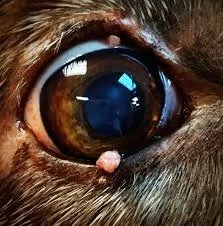
Meibomian gland tumors are one of the most common eyelid growths seen in older dogs, and while the word “tumor” can sound frightening, most of these bumps are benign, slow‑growing, and highly treatable. Understanding what they are — and when they need veterinary attention — can help you protect your dog’s comfort and long‑term eye health.
What Are Meibomian Glands?
Dogs, cats, and humans all have Meibomian glands lining their eyelids. These tiny oil‑producing glands create part of the tear film that keeps the eyes lubricated and protected. Each eyelid contains dozens of them.
When one of these glands becomes blocked or overgrows, it can form a small bump — often referred to as a Meibomian gland tumor.
Are Meibomian Gland Tumors Dangerous?
Most Meibomian gland tumors in dogs are benign (non‑cancerous) and appear in older dogs. Many stay small, grow slowly, and may even resolve on their own.
However, some can enlarge over time and begin to irritate the eye surface, interfere with blinking, or cause redness and discharge. In rare cases, malignant forms such as adenocarcinomascan occur, though they typically remain locally invasive rather than spreading throughout the body.
Common Types of Meibomian Gland Tumors
Veterinary sources identify several types of eyelid tumors originating from these glands:
Meibomian adenoma – most common, benign
Meibomian epithelioma – benign but may grow more aggressively
Meibomian adenocarcinoma – malignant but rarely metastasizes
Symptoms to Watch For
Dogs with Meibomian gland tumors may show:
Redness or irritation
Excess tearing or tear staining
Signs of discomfort
Ulceration or bleeding (more common in malignant tumors)
Some tumors are visible on the outside of the eyelid, while others grow inward and require close examination.
How Veterinarians Diagnose Eyelid Tumors
Most eyelid tumors can be identified during a physical exam, but your veterinarian may recommend:
Magnified eye exam
Cytology or biopsyto determine tumor type
Referral to a veterinary ophthalmologist for complex or fast‑growing masses
Early diagnosis helps prevent irritation to the cornea and ensures the best treatment outcome.
Treatment Options for Meibomian Gland Tumors
1. Monitoring Small, Benign Tumors
Because many Meibomian adenomas grow slowly and cause no discomfort, your vet may recommend simply watching them over time. Some even regress on their own.
2. Surgical Removal
If the tumor grows, irritates the eye, or interferes with blinking, surgical removal is typically recommended. Surgery is usually straightforward and highly successful. Recurrence is uncommon.
3. Cryotherapy (Freezing)
Some small tumors can be treated with cryotherapy, which destroys abnormal tissue with cold.
4. Treatment for Malignant Tumors
Malignant Meibomian gland tumors (adenocarcinomas) are locally invasive but rarely spread. Surgical removal is still the primary treatment, and outcomes are generally good.
Prognosis: What Pet Parents Can Expect
The prognosis for most dogs with Meibomian gland tumors is excellent. Benign tumors make up the majority of cases, and even malignant ones tend to behave locally rather than spreading.
The biggest risk is eye irritation, which can lead to corneal damage if left untreated — another reason early evaluation is important.
When to See Your Veterinarian
Schedule an exam if you notice:
A new bump on your dog’s eyelid
Rapid growth of an existing bump
Redness, squinting, or discharge
Your dog rubbing at their eye
Bleeding or ulceration
Prompt care helps protect your dog’s comfort and vision.
Here is a copy-paste FAQ section you can place at the bottom of your Meibomian Tumors in Dogs blog post on Squarespace.
Frequently Asked Questions About Meibomian Tumors in Dogs
What are Meibomian tumors in dogs?
Meibomian tumors are growths that develop in the oil glands located along the edges of a dog’s eyelids. These glands produce oils that help lubricate the surface of the eye.
Are Meibomian tumors cancerous?
Most Meibomian tumors in dogs are benign (non-cancerous). However, any growth on the eyelid should be examined by a veterinarian to determine the exact cause.
What do Meibomian tumors look like?
They usually appear as small bumps or wart-like growths along the eyelid margin. These growths may be pink, gray, or flesh-colored and can sometimes rub against the eye.
Which dogs are most likely to develop Meibomian tumors?
Meibomian tumors are more commonly seen in older dogs, although they can occur in dogs of any breed.
Can Meibomian tumors affect my dog’s vision?
Small tumors may not affect vision, but larger tumors can irritate the eye, cause redness, excessive tearing, or damage the surface of the eye if they rub against it.
How are Meibomian tumors diagnosed in dogs?
Veterinarians usually diagnose these tumors through physical examination of the eyelid. In some cases, the growth may be removed and examined to confirm the diagnosis.
Do Meibomian tumors need to be removed?
Removal may be recommended if the tumor becomes large, irritates the eye, causes infection, or interferes with normal eyelid function.
How are Meibomian tumors treated?
Treatment often involves surgical removal of the tumor. The procedure is usually straightforward and helps prevent ongoing eye irritation.
Can Meibomian tumors grow larger over time?
Yes. Some tumors may slowly increase in size, which is why veterinary monitoring is important.
When should I take my dog to the veterinarian for an eyelid growth?
You should seek veterinary care if you notice any lump, swelling, redness, discharge, or irritation around your dog’s eye.
Related Dog Health Articles
You may also find these veterinary articles helpful:
• Dog Lump Under Skin
• Mast Cell Tumor in Dogs
• Lipoma in Dogs
• Osteosarcoma in Dogs
• Splenic Mass in Dogs
• Emergency Medicine for Pets
