Gastroenterology: Digestive Health Care for Dogs & Cats at
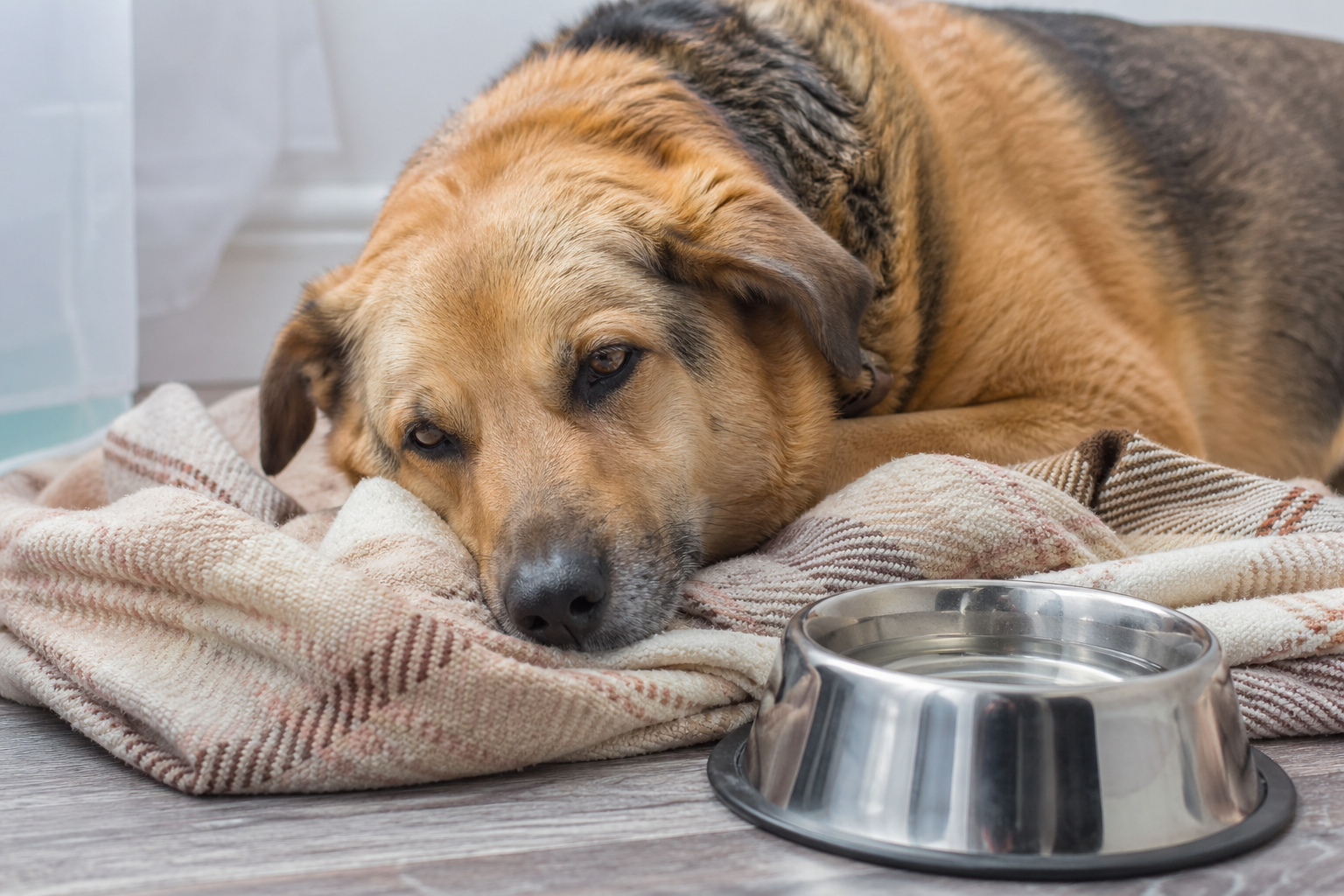
Digestive problems rank among the most common reasons pet owners visit veterinary clinics. From a puppy’s sudden bout of bloody diarrhea to a senior cat’s chronic vomiting, gastrointestinal issues can range from minor inconveniences to life-threatening emergencies. This guide is for pet owners in Central Florida seeking information about digestive health care for their dogs and cats. Understanding veterinary gastroenterology is essential for pet health because early recognition and proper management of digestive disorders can prevent complications, improve quality of life, and even save lives. Veterinary gastroenterology, a vital branch within the broader field of veterinary sciences, plays a crucial role in veterinary medicine and research by advancing our understanding and management of these complex conditions. At Bushnell Animal Clinic, Dr. Roger Hart and our team specialize in diagnosing and treating the full spectrum of gastrointestinal diseases affecting dogs and cats throughout Central Florida. The field of veterinary gastroenterology continues to evolve, with ongoing development in diagnostic methods, biomarkers, and insights into the microbiome, reflecting the expanding knowledge base and recent advancements in veterinary sciences.
Fast Answers: When Digestive Trouble Is an Emergency

Sudden vomiting, bloody diarrhea, bloating, or collapse in dogs and cats can be life-threatening. These situations require same-day veterinary evaluation—delays of even a few hours can dramatically worsen outcomes. Veterinary gastroenterologists manage acute gastrointestinal emergencies, such as Hemorrhagic Gastroenteritis (HGE) and gastric dilatation-volvulus (GDV), which demand immediate intervention.
Call Bushnell Animal Clinic immediately or seek emergency care if your pet shows:
Repeated vomiting (more than 2–3 episodes in 6 hours)
Vomit containing blood or material resembling coffee grounds
Black, tarry stools (melena) or bright red blood in stool
Severely swollen abdomen with restlessness or distress
Non-productive retching (especially in deep-chested dogs like Great Danes or German Shepherds)
Pale gums indicating possible blood loss or shock
Collapse or inability to keep water down
During business hours, contact Bushnell Animal Clinic for urgent evaluation. We provide triage and stabilization for gastrointestinal emergencies. After hours, proceed directly to a 24/7 emergency facility such as Veterinary Emergency Clinic of Central Florida or BluePearl Specialty and Emergency Pet Hospital. Veterinary gastroenterologists often handle sudden, life-threatening events that may require immediate intervention or surgery.
What Is Veterinary Gastroenterology?
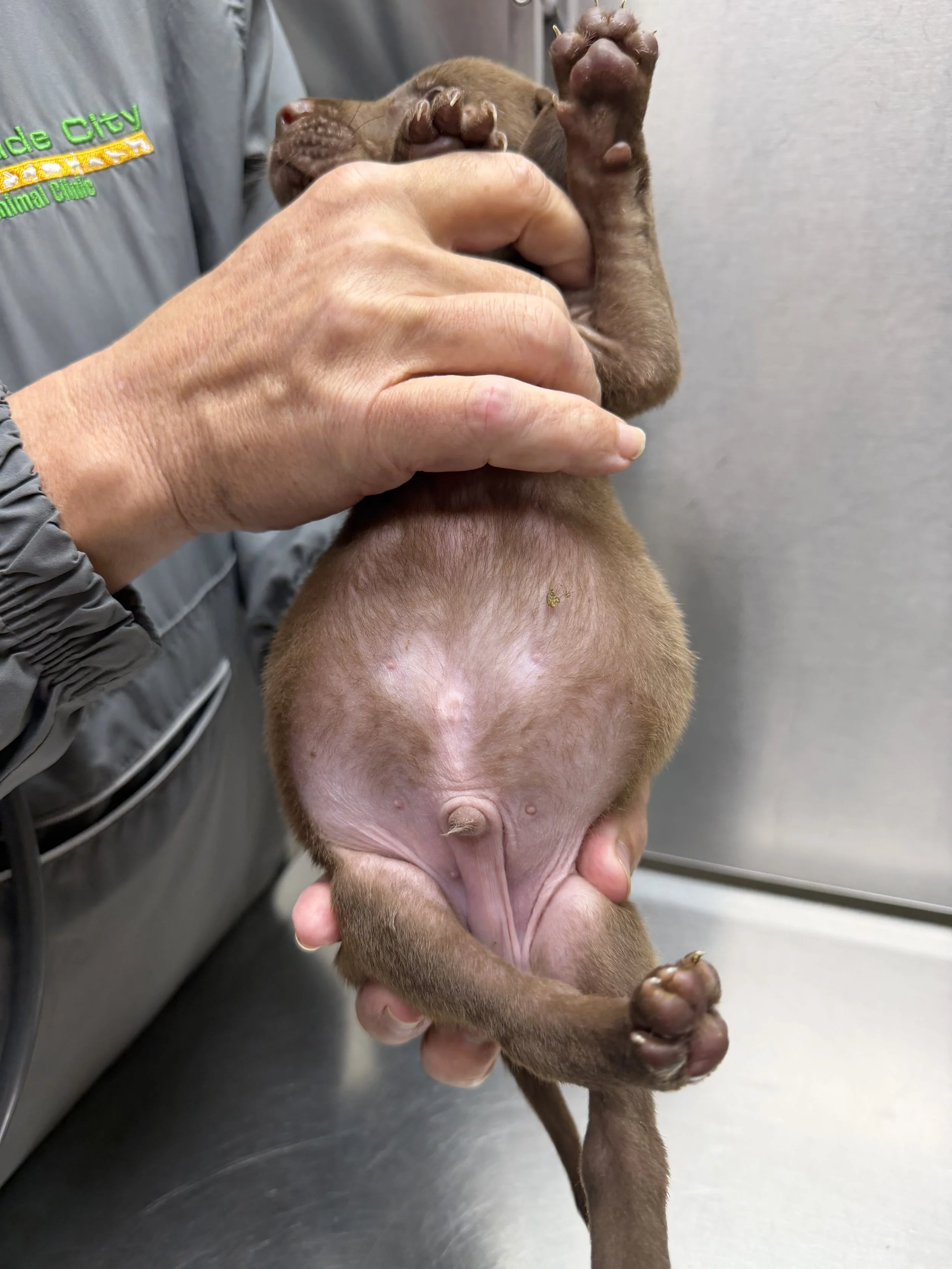
Veterinary gastroenterology is a specialized branch of internal medicine focused on diagnosing and treating disorders of an animal’s entire digestive system. As an integral part of veterinary sciences, veterinary gastroenterology advances veterinary medicine and diagnostics by improving our understanding and management of gastrointestinal diseases in companion animals. At Bushnell Animal Clinic, our focus on veterinary internal medicine allows us to thoroughly evaluate and manage digestive disorders in companion animals right here in Bushnell.
The gastrointestinal tract includes the esophagus, stomach, and intestines, as well as associated organs like the liver, pancreas, and gallbladder. Problems in one area frequently affect other organs—for example, primary intestinal inflammation can trigger secondary liver enzyme elevations or pancreatic issues through shared inflammatory pathways.
Gastroenterology represents a subspecialty within veterinary medicine requiring detailed knowledge of how the digestive tract functions and fails. Veterinary internal medicine specialists with expertise in gastroenterology manage complex or chronic cases that go beyond the scope of general practice. Ongoing development in veterinary gastroenterology—such as advancements in diagnostic methods, biomarkers, and understanding of host immunity and the microbiome—continues to expand the field’s capabilities. Bushnell Animal Clinic handles most cases in-house, referring only rare complex situations (advanced endoscopy or specialty surgery) to trusted Central Florida specialists when needed.
Common Gastrointestinal Diseases in Dogs & Cats
Gastrointestinal disorders bring dogs and cats to Bushnell Animal Clinic more than almost any other category of illness. Gastrointestinal diseases in pets can manifest through various symptoms including vomiting, diarrhea, weight loss, and decreased appetite, which may indicate underlying health issues that require veterinary attention.
Common conditions we diagnose and treat include:
Acute gastroenteritis: Sudden vomiting and diarrhea from dietary indiscretion, trash eating, or minor infection—often self-limiting within 24–48 hours with supportive care.
Gastritis and enteritis: Inflammation of the stomach or small intestine causing nausea, vomiting, and loose stools.
Colitis: Inflammation of the colon, known as colitis, can lead to symptoms such as diarrhea, straining to defecate, and mucus-laden feces, and may be caused by various factors including infectious diseases and dietary sensitivities.
Inflammatory bowel disease: Inflammatory bowel disease (IBD) is a group of digestive system diseases characterized by persistent gastrointestinal inflammation without a known cause, affecting all ages, sexes, and breeds of dogs. Common diagnoses for chronic gastrointestinal disease include Inflammatory Bowel Disease (IBD), Exocrine Pancreatic Insufficiency (EPI), and Protein-Losing Enteropathy (PLE).
Pancreatitis: Inflammation of the pancreas, especially after high-fat meals, causing severe abdominal pain, vomiting, and loss of appetite.
Constipation and megacolon: Difficulty passing stool, particularly common in cats, sometimes progressing to chronic dilation of the colon.
Gastrointestinal obstruction: Foreign bodies from toys, bones, strings, or clothing causing blockage requiring surgical intervention.
Gastric dilation-volvulus (bloat): A true emergency in large, deep-chested dogs where the stomach fills with gas and rotates.
Hemorrhagic gastroenteritis: Hemorrhagic gastroenteritis is characterized by sudden vomiting and bloody diarrhea in dogs, often affecting young, small breeds, and can lead to severe dehydration and shock if not treated promptly.
GI ulcers: Erosions often related to medications (NSAIDs, steroids), stress, or kidney/liver disease.
Gastrointestinal cancer: Malignancies including lymphoma and adenocarcinoma affecting the stomach, intestines, or colon, predominantly in senior animals.
Key Digestive Disorders We See at Bushnell Animal Clinic
Dr. Roger Hart and our team frequently diagnose and treat several particularly important digestive conditions in Bushnell and surrounding Central Florida communities, reflecting the comprehensive veterinary care offered at Bushnell Animal Clinic.
Canine Parvovirus remains endemic in Central Florida despite vaccination efforts. Canine parvovirus is a highly contagious viral disease that primarily affects puppies and unvaccinated adult dogs, leading to severe gastrointestinal symptoms such as vomiting and bloody diarrhea. Infectious agents diagnosed by specialists include viral infections like Parvovirus and bacterial infections like Salmonella and Campylobacter. Most dogs with canine parvovirus recover with appropriate supportive care, which focuses on replacing lost fluids and electrolytes, with survival rates between 68% and 92%. Bushnell Animal Clinic emphasizes vaccination schedules starting at 6–8 weeks of age, with boosters every 3–4 weeks until at least 16 weeks, followed by a 1-year booster and then per AAHA guidelines.
Colitis presents with frequent, urgent trips outside, straining, mucus, and flecks of blood—though most pets maintain a good appetite and overall attitude. Treatment for colitis often involves identifying and eliminating the cause of inflammation, and may include dietary changes, anti-inflammatory medications, and in some cases, anti-parasitic medications. Common triggers in Florida include diet changes, stress, parasites (whipworm prevalence reaches 5–10% locally), and food intolerance.
Constipation and Megacolon range from simple constipation to chronic megacolon in cats, where the colon dilates beyond 6 cm. Risk factors include dehydration (particularly concerning in hot Central Florida weather), obesity, and orthopedic pain limiting posture. Treatment escalates from diet modification and hydration to enemas, stool softeners like lactulose, motility agents, and in refractory cases, surgical consultation for subtotal colectomy.
Bloat (Gastric Dilation-Volvulus) strikes deep-chested breeds including Great Danes, German Shepherds, and Boxers with sudden abdominal distension, unproductive retching, restlessness, and collapse. This surgical emergency requires immediate transport to the nearest emergency hospital. Bushnell Animal Clinic provides presurgical stabilization and counsels at-risk dog owners about preventive gastropexy.
Chronic Vomiting and Inflammatory Bowel Disease warrant thorough investigation. Common signs of inflammatory bowel disease in dogs include vomiting, diarrhea, changes in appetite, and weight loss, which may occur over long periods and sometimes come and go. The average age reported for the onset of signs of inflammatory bowel disease in dogs is 6 years, but it can occur in dogs less than 2 years old, with certain breeds like miniature poodles being more predisposed. Chronic conditions treated by specialists include Inflammatory Bowel Disease (IBD) and chronic pancreatitis. The diagnostic path typically involves diet trials, lab work, imaging, and potentially biopsy via referral. About 60% of cases prove diet-responsive with proper evaluation.
Pancreatitis commonly follows rich holiday leftovers, table scraps, or sudden high-fat treats. Miniature schnauzers face 5 times higher risk than other breeds. Hallmark gastrointestinal signs include vomiting, hunched “prayer posture,” abdominal pain, decreased appetite, and lethargy. Diagnostic confirmation relies on pancreatic lipase assays (cPLI/fPLI) and abdominal ultrasound showing changes in the pancreas. Effective treatment includes IV fluids, pain control, anti-nausea medications, and strict low-fat diet compliance.
When treating acute gastroenteritis or after vomiting and diarrhea have subsided, a pet's diet plays a crucial role in recovery. Early introduction of small, bland meals can promote healing and support gut health, helping pets regain strength and recover more quickly.
Symptoms of Gastrointestinal Disease: What Pet Owners Notice
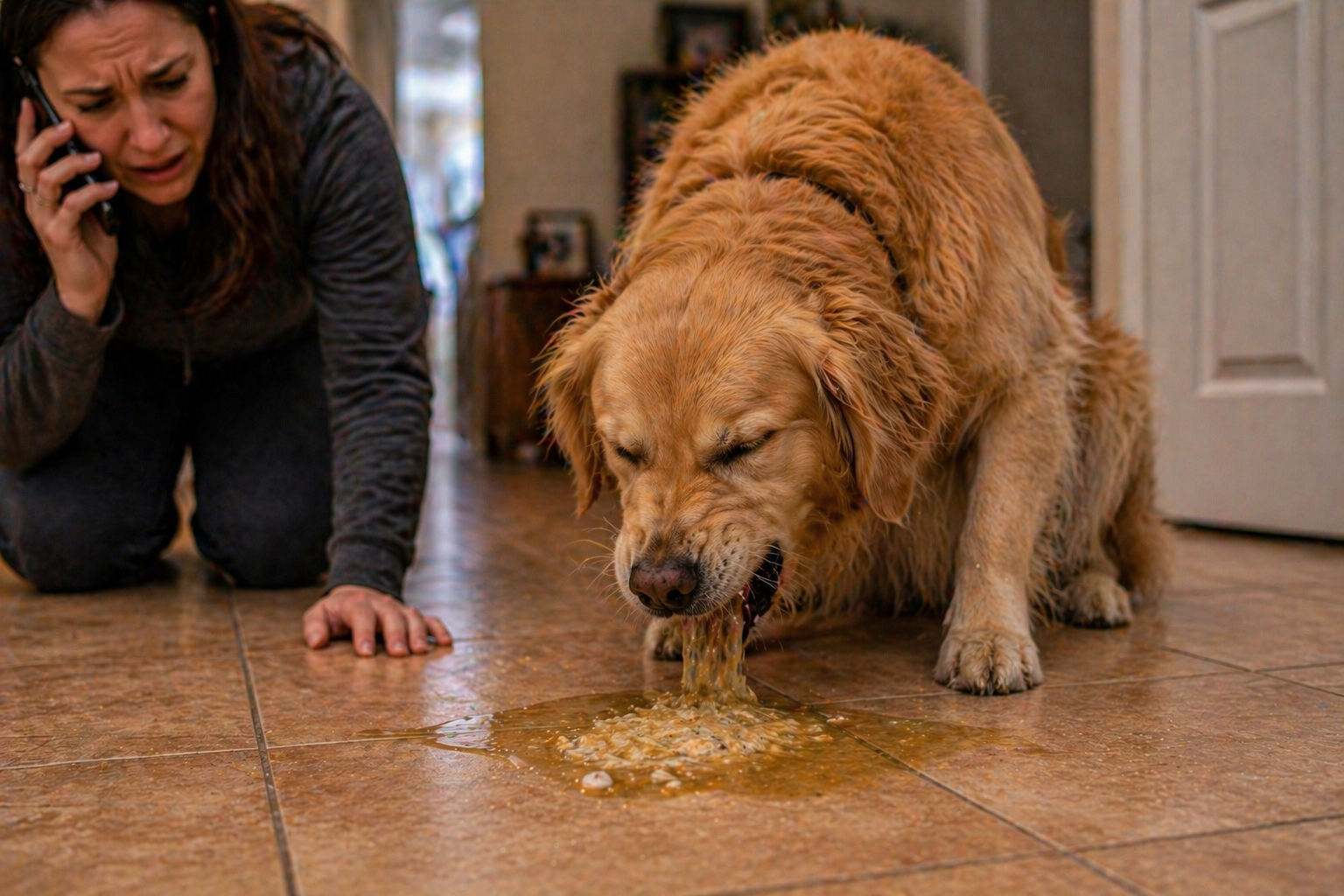
Even “mild” clinical signs, if persistent or recurrent, can signal significant disease requiring veterinary attention. Keeping a short log of dates, times, food consumed, and episodes helps Dr. Hart pinpoint patterns at appointments.
Common signs in dogs and cats include:
Vomiting – Frequency, presence of food, bile, foam, or blood
Regurgitation – Passive expulsion (no abdominal effort) vs. active vomiting
Diarrhea – Watery, mucus-covered, bloody; urgency; accidents indoors
Appetite changes – Picky eating, food refusal, or ravenous appetite with weight loss
Weight loss – Unexplained loss or failure to gain in puppies/kittens
Abdominal pain – Restlessness, whining, guarding belly, “praying” position
Flatulence – Excessive gas, rumbling intestines, abdominal distension
Hydration changes – Increased thirst with vomiting/diarrhea signaling dehydration
Behavioral changes – Lethargy, hiding, personality shifts (especially subtle in cats)
Differentiating between regurgitation and vomiting is crucial in the diagnostic process, as they indicate different underlying issues in gastrointestinal health. Regurgitation involves passive expulsion of undigested food from the esophagus, while vomiting involves active abdominal contractions expelling stomach contents.
How We Diagnose Gastrointestinal Problems
A structured approach to the diagnostic process for gastrointestinal diseases in pets is essential to obtain an accurate diagnosis and provide effective treatment. This stepwise methodology saves time and expense by identifying the true cause rather than just treating symptoms.
Core diagnostic elements at Bushnell Animal Clinic:
History and Signalment: Obtaining a comprehensive history and signalment is one of the most important steps in the diagnostic process for gastrointestinal issues in pets. We review age, breed, your pet’s diet (including treats and table scraps), ready access to garbage or toxins, water sources, travel history, previous illnesses, and medications—especially NSAIDs, steroids, or antibiotics.
Physical Examination: Assessment includes body condition, hydration status, oral exam, abdominal palpation for pain or foreign material, rectal exam when indicated, gum color, temperature, and heart rate.
Fecal Testing: Routine fecal flotation for parasites plus Giardia testing (ELISA with 95% sensitivity) given Florida’s 12% prevalence, and sometimes culture or PCR panels for infection with specific bacteria.
Blood Work and Urinalysis: CBC, chemistry panel, electrolytes, pancreatic lipase tests, thyroid evaluation in older cats, and kidney/liver assessment. Diagnosis of inflammatory bowel disease often requires blood, urine, and fecal tests to rule out other diseases, and tissue biopsies obtained via endoscopy or surgery are necessary for definitive diagnosis.
Diagnostic Imaging: Diagnostic tests for gastrointestinal disorders may include blood tests, fecal tests, abdominal radiographs, and ultrasound to assess the condition of the digestive tract. In-clinic digital radiographs identify 85% of obstructions. Veterinary gastroenterologists use advanced diagnostic tools, such as abdominal ultrasound and specialized blood tests, to identify digestive issues affecting abdominal organs.
Advanced Testing: Specialists use tools like endoscopy and colonoscopy to visually inspect the GI tract and collect biopsies without invasive surgery. When appropriate, we refer for these procedures, contrast studies, or advanced imaging techniques at specialty centers.
Dr. Hart explains what each test evaluates, expected costs, and how results shape treatment—clear communication remains central to our approach.
Treatment Options for Digestive Diseases
Treatment is tailored to the diagnosed condition, your pet’s age, and your goals as an owner. Early intervention by a specialist can improve the prognosis for chronic digestive issues and prevent severe complications like malnutrition or dehydration.
Major treatment approaches include:
Fluid Therapy: Subcutaneous fluids for mild dehydration; intravenous fluids for parvovirus, severe gastroenteritis, pancreatitis, and shock to address abdominal fluid losses and restore hydration.
Anti-Nausea and Gastric Protection: Maropitant, ondansetron, and acid suppressants like omeprazole reduce symptoms. For dogs with gastrointestinal ulcers, treatment typically includes reducing gastric acidity, promoting ulcer healing, and may involve dietary management with bland diets and antibiotics if necessary.
Pain Management: Safe analgesics for abdominal pain, avoiding NSAIDs in most GI conditions.
Diet Modification: Chronic gastrointestinal conditions managed by specialists include dietary intolerances and food allergies. Prescription GI diets, novel-protein or hydrolyzed diets for food-responsive IBD, and low-fat diets for pancreatitis. Treatment goals for inflammatory bowel disease include reducing diarrhea and vomiting, promoting weight gain, and decreasing intestinal inflammation, often involving dietary modifications and medications.
Antibiotics and Antiparasitics: Targeted use for documented bacterial overgrowth, specific infections, or parasitic disease including tritrichomonas foetus.
Probiotics and Fiber: Veterinary-formulated products supporting the intestinal microbiome and colonic health—research shows 40% reduction in relapse rates with appropriate use.
Enzyme Supplementation: Management of malabsorption in dogs often involves dietary changes, treatment of underlying causes, and may include supplementation with pancreatic enzymes if exocrine pancreatic insufficiency is diagnosed.
Surgery: Exploratory laparotomy for foreign body removal, biopsy of suspicious masses, or correction of obstructions—performed under general anesthesia at referral centers when needed, with Bushnell Animal Clinic providing pre- and post-operative care.
Preventing Gastrointestinal Disease in Florida Pets
Many serious GI problems are preventable through vaccines, thoughtful food choices, parasite control, and regular preventive care. Prevention represents a partnership between Bushnell Animal Clinic and local pet owners.
Key prevention strategies:
Vaccinations: Core puppy vaccines for parvovirus starting at 6–8 weeks, boosters every 3–4 weeks until 16+ weeks, then 1-year and 3-year boosters per AAHA guidelines; feline panleukopenia vaccination
Parasite Prevention: Year-round broad-spectrum heartworm and intestinal parasite control; routine fecal checks 1–2 times yearly
Safe Feeding: Consistent, high-quality commercial diets; avoid sudden diet changes; limit table scraps and fatty food; keep toys appropriately sized
Environmental Management: Secure garbage, chemicals, medications, and yard toxins; supervise pets around lakes and standing water where bacteria thrive
Weight Management: Maintain lean body condition to lower pancreatitis and constipation risk through daily exercise tailored to age
Senior Screening: Routine blood work, urinalysis, and evaluation starting around age 7 for most dogs and cats (earlier for large breeds)
Gastroenterology Across Life Stages: Puppies, Kittens & Senior Pets
Age strongly influences which GI problems pets face, and Bushnell Animal Clinic tailors care accordingly.
Puppies and Kittens face higher risk of parvovirus (puppies) and panleukopenia (kittens), intestinal parasites (roundworms, hookworms, coccidia, Giardia), and foreign body ingestion. A 4-month-old Bushnell puppy presenting with bloody diarrhea immediately raises concern for parvo—prompt hospitalization with IV fluids and supportive care proves life-saving. Early vaccine series, deworming, fecal checks, and “puppy-proofing” the home remain essential.
Adult Pets commonly experience diet-related issues, colitis, stress-related diarrhea (from boarding, moving, or storms), pancreatitis from high-fat food, and early IBD. Annual wellness exams and prompt evaluation when signs persist beyond 24–48 hours help healthy dogs and cats stay that way.
Senior Dogs and Cats face increased risk of chronic pancreatitis, GI cancers, metabolic disease affecting kidneys and liver, hyperthyroidism in older cats (causing weight loss and sometimes vomiting), and constipation. A 12-year-old cat with weight loss and intermittent vomiting warrants thorough workup including bloodwork, imaging, and possibly biopsy to rule out systemic inflammation, liver failure, or cancer. Senior wellness plans with twice-yearly checkups detect 80% of subclinical disease early.
Our Approach at Bushnell Animal Clinic
At Bushnell Animal Clinic, we believe in thorough but practical diagnostics, clear communication, and compassionate, individualized care for each pet.
Our GI care model includes:
Doctor-led evaluation by Dr. Roger Hart, DVM, from the first visit, with dedicated time to explain findings and answer specific questions
In-house diagnostics (blood work, digital radiographs, fecal tests) providing rapid answers during the same appointment whenever possible
Collaborative care for complex cases with trusted Central Florida referral partners, while keeping primary communication anchored here
Written treatment plans and home-care instructions including medication schedules, feeding directions, and signs warranting recheck or emergency visit
Scheduled follow-up exams and re-testing for chronic conditions like IBD or pancreatitis
Signs that may prompt referral to a gastroenterology specialist include chronic or recurring vomiting or diarrhea that does not resolve with initial treatment.
Client Education & Our Pet Health Library
Understanding your pet’s condition helps you make better decisions and reduces anxiety. Bushnell Animal Clinic invests in education as part of comprehensive care.
We support learning through:
Condition-specific handouts on common GI disorders (parvovirus, pancreatitis, colitis, constipation, bloat, IBD, GI cancers) provided during appointments
An online pet health library with trusted articles on digestive diseases, prevention tips, nutrition, and medication safety
Encouraging clients to call with questions about medications, diet changes, or new symptoms rather than waiting
Using plain language and visual aids in the exam room to explain anatomy, test results, and treatment choices
We’re your long-term partner in pet health—not just a place for sick visits.
When to Call, When to Come In
Timely action dramatically improves outcomes in many GI diseases. When in doubt, call us.
Within 24 hours: Mild vomiting/diarrhea lasting more than 24 hours, recurring soft stool, occasional constipation, mild appetite changes
Same-day care: Repeated vomiting, any blood in stool or vomit, suspected foreign body ingestion, sudden severe abdominal pain, distended abdomen, marked lethargy, refusal of food and water
Emergency hospital (after hours): Collapse, continuous vomiting, non-productive retching, profuse bloody diarrhea, seizures, known toxin ingestion
If you notice any of the above symptoms in your pet, don’t hesitate to reach out. Bushnell Animal Clinic welcomes calls from worried pet owners—we can help determine whether a situation can safely wait or needs immediate attention. Your pet’s digestive health matters, and we’re here to help guide you through every step of evaluation, diagnosis, and treatment.
