⭐ Food Allergies in Dogs and Cats: Signs, Diagnosis & How to Help Your Pet
⭐ Food Allergies in Dogs and Cats: Signs, Diagnosis & How to Help Your Pet
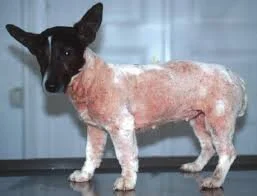
Food allergies are one of the most misunderstood causes of itching and skin problems in pets. Many pet parents assume a sudden reaction means a new food is to blame, but true food allergies develop slowly over time, often after a dog or cat has eaten the same protein for months or even years. Understanding how food allergies work — and how they’re diagnosed — can make a huge difference in your pet’s comfort and long‑term health.
What Food Allergies Look Like in Pets
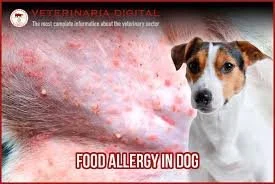
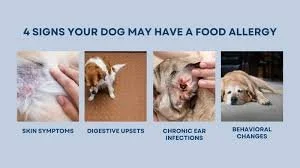
Dogs and cats with food allergies typically show skin‑related symptoms, not just digestive issues. The most common signs include chronic itching, red or inflamed skin, hair loss, and repeated ear infections. Dogs often chew their feet or rub their faces, while cats may scratch around the head and neck. Some pets also experience vomiting or diarrhea, but this happens in only a portion of cases. Learn more about itchy skin and ear infections.
Common Myths About Food Allergies
A frequent misconception is that a food allergy appears right after switching diets. In reality, pets usually become allergic to proteins they’ve eaten for a long time, such as chicken, beef, or dairy. Another myth is that blood or saliva tests can diagnose food allergies — these tests are unreliable and often misleading. Explore food allergy myths.
How Vets Diagnose Food Allergies
The only accurate way to diagnose a food allergy is through an 8‑week elimination diet. This means feeding a single, carefully chosen protein source — either a novel protein like venison or duck, or a hydrolyzed protein diet — and avoiding all treats, table scraps, and flavored medications. If symptoms improve, the original food is reintroduced to confirm the allergy.
Why Over‑the‑Counter Diets Aren’t Enough
Many store‑bought “limited ingredient” diets contain trace amounts of other proteins due to shared manufacturing equipment. Even tiny contamination can trigger symptoms in sensitive pets. Veterinary therapeutic diets are more strictly controlled and are the best choice for a true elimination trial. Learn more about hypoallergenic diets.
When It’s Not a Food Allergy
If your pet doesn’t improve on a diet trial, they may have environmental allergies, flea allergy, or another skin condition. Your veterinarian can help determine the next steps.
Here is a copy-paste FAQ section you can add to the bottom of your Food Allergies in Dogs blog post on Squarespace.
Frequently Asked Questions About Food Allergies in Dogs
What are food allergies in dogs?
Food allergies occur when a dog’s immune system reacts abnormally to certain ingredients in food. These reactions can cause skin irritation, itching, and digestive problems.
What foods commonly cause allergies in dogs?
Common food allergens in dogs include proteins such as beef, chicken, dairy, eggs, lamb, wheat, and soy. Any ingredient, however, can potentially trigger an allergic reaction.
What are the symptoms of food allergies in dogs?
Common symptoms include itching, red or inflamed skin, ear infections, hair loss, excessive licking or chewing, vomiting, diarrhea, and chronic digestive issues.
How are food allergies diagnosed in dogs?
Veterinarians often diagnose food allergies through an elimination diet, where the dog is fed a limited or novel protein diet for several weeks to identify the ingredient causing the reaction.
What is the difference between a food allergy and a food intolerance?
Food allergies involve the immune system and often cause skin problems, while food intolerance typically causes digestive upset without involving the immune system.
Can food allergies develop later in a dog’s life?
Yes. Dogs can develop food allergies at any age, even if they have eaten the same food for years without problems.
How are food allergies treated in dogs?
Treatment usually involves identifying and eliminating the ingredient causing the reaction. Veterinarians may recommend a prescription diet or novel protein diet.
Do food allergies cause ear infections in dogs?
Yes. Chronic or recurring ear infections can sometimes be associated with food allergies, especially when accompanied by itching or skin problems.
Can food allergies be cured in dogs?
Food allergies cannot be completely cured, but they can usually be managed effectively by avoiding the ingredients that trigger the reaction.
When should I take my dog to the veterinarian for possible food allergies?
If your dog has persistent itching, skin irritation, recurring ear infections, or digestive problems, it is important to consult your veterinarian for evaluation.
Related Dog Health Articles
You may also find these veterinary articles helpful:
• Complete Guide to Fleas in Dogs
• Dog Skin Infections
• Dog Lump Under Skin
• Emergency Medicine for Pets
• Heart Disease in Dogs
• How to Choose the Right Veterinarian
