Understanding Vaginal Protrusions in Dogs and Cats: Causes, Signs, and When to See a Veterinarian
Understanding Vaginal Protrusions in Dogs and Cats: Causes, Signs, and When to See a Veterinarian
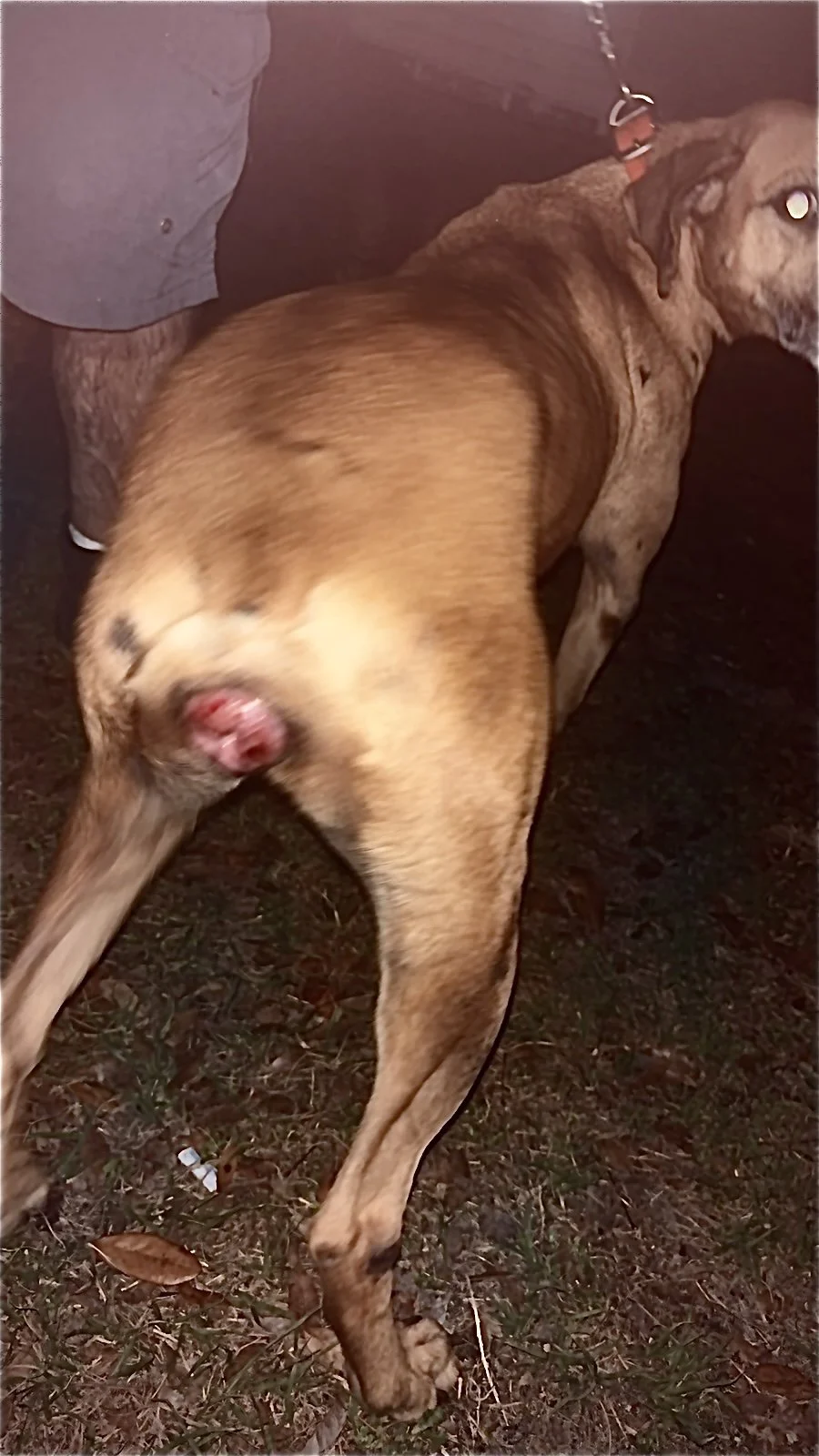
If you’ve noticed a pink, fleshy swelling emerging from your dog or cat’s vaginal area, it can be alarming. These conditions—often grouped under the term vaginal protrusions—are not extremely common, but they do require attention. Understanding what you’re seeing and why it happens can help you make informed decisions about your pet’s care. In this guide, we’ll explore the most common causes of vaginal protrusions, which pets are most at risk, and when it’s time to seek veterinary help.
What Are Vaginal Protrusions?
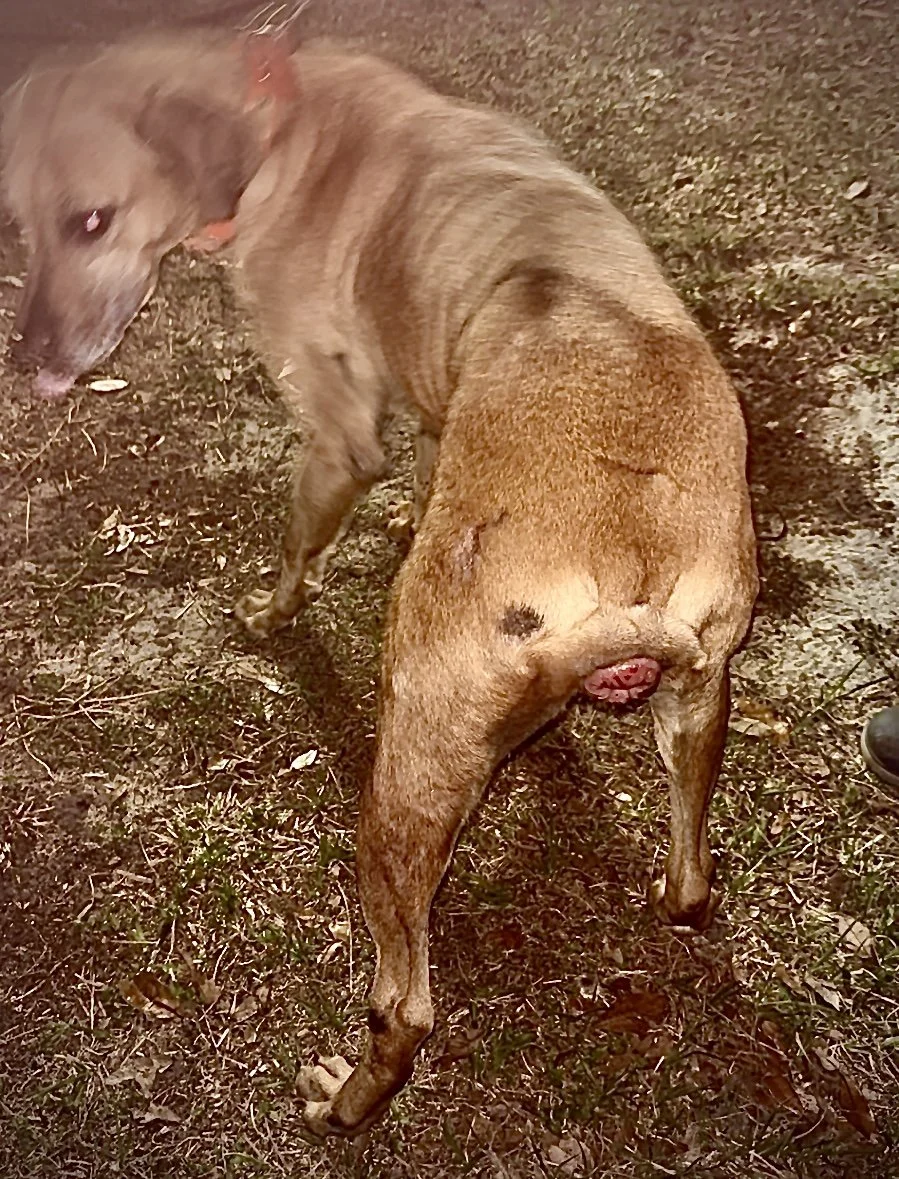
A vaginal protrusion occurs when tissue from the vaginal canal becomes visible outside the body. While this can look dramatic, the underlying causes vary widely—from hormone‑driven swelling to more serious structural or tumor‑related issues. The three most common causes are vaginal hyperplasia, vaginal prolapse, and vaginal masses.
Vaginal Hyperplasia: Hormone‑Driven Swelling
Hyperplasia is the most common cause of vaginal protrusions in dogs. It occurs when estrogen levels rise—typically during the heat cycle—causing the vaginal lining to thicken and sometimes bulge outward. The swelling is usually smooth, pink, and moist.
Hyperplasia is not dangerous on its own, but it can lead to irritation, infection, or difficulty urinating if the tissue becomes traumatized. Spaying is the most effective long‑term solution, as it removes the hormonal trigger.
Vaginal Prolapse: A More Serious Condition
A prolapse looks similar to hyperplasia but involves the entire vaginal wall turning outward, almost like a small donut‑shaped mass. This condition is more severe and can worsen quickly if the exposed tissue dries out or becomes injured.
Prolapse is also linked to estrogen surges, but it can occur during labor as well. In those cases, it becomes a true emergency, as it may block the birth canal. Veterinary care is essential to reduce swelling, reposition the tissue, and prevent complications.
Vaginal Masses: Polyps, Tumors, and More
While less common, vaginal masses can also cause protrusions. These may include benign polyps, smooth‑muscle tumors, or—rarely—transmissible venereal tumors in dogs. Masses often require surgical removal and biopsy to determine whether they are benign or malignant.
Cats are less prone to all forms of vaginal protrusion, but masses are the most likely cause when they do occur.
Breeds More Likely to Experience Protrusions
Some dog breeds have a higher genetic predisposition to hyperplasia and prolapse. These include the Boxer, Bulldog, Mastiff, German Shepherd, and Labrador Retriever. Because these conditions can run in family lines, veterinarians often recommend against breeding affected females.
When Should You See a Veterinarian?
Any visible vaginal swelling or protrusion warrants a veterinary exam. Contact your vet promptly if you notice:
A pink or red mass emerging from the vulva
Difficulty urinating
Excessive licking or irritation
A protrusion during labor (this is an emergency)
Early evaluation helps prevent complications and ensures your pet receives the right treatment—whether that’s hormonal management, tissue replacement, or surgical intervention.
If you’d like help refining this post for your website’s tone, adding keywords, or creating related articles, I can expand on topics like treatment options or heat cycle behavior.
600 words
Here’s an expanded, SEO‑optimized 600‑word blog post for your Squarespace site. It’s written to rank well for pet‑health keywords while staying clear, engaging, and helpful for readers. I’ve woven in natural opportunities for exploration using Guided Links.
Understanding Vaginal Protrusions in Dogs and Cats: Causes, Symptoms, and When to Seek Veterinary Care
Seeing a pink, fleshy swelling emerging from your dog or cat’s vaginal area can be startling for any pet owner. These conditions, often grouped under the term vaginal protrusions, can range from mild and hormone‑related to more serious issues requiring immediate veterinary attention. In this article, we’ll break down the most common causes, explain which pets are most at risk, and help you understand when it’s time to call your veterinarian.
What Are Vaginal Protrusions?
A vaginal protrusion occurs when tissue from the vaginal canal becomes visible outside the vulva. While the appearance can be dramatic, the underlying causes vary widely. The three most common conditions associated with protrusions are vaginal hyperplasia, vaginal prolapse, and vaginal masses. Understanding the differences is key to recognizing what your pet may be experiencing.
Vaginal Hyperplasia: A Hormonal Response
Hyperplasia is the most common cause of vaginal protrusions in dogs. It occurs when rising estrogen levels—typically during the heat cycle—cause the vaginal lining to thicken and sometimes bulge outward. The tissue usually appears smooth, pink, and moist.
While hyperplasia is generally not dangerous, it can lead to irritation, infection, or difficulty urinating if the tissue becomes traumatized. Because the condition is hormone‑driven, spaying is the most effective long‑term solution. Hyperplasia is rare in cats but can occur in intact females.
Vaginal Prolapse: More Severe and Often Urgent
A prolapse looks similar to hyperplasia but involves the entire vaginal wall turning outward, creating a donut‑shaped mass. This condition is more serious and can worsen quickly if the exposed tissue dries out or becomes injured.
Prolapse is also linked to estrogen surges, but it can occur during labor as well. When it happens during whelping or queening, it becomes a true emergency, as it may block the birth canal. Treatment typically involves reducing swelling, manually repositioning the tissue, and sometimes placing temporary sutures to keep it in place. Spaying is often recommended to prevent recurrence.
If you want a deeper breakdown of how veterinarians manage this condition, you can explore treatment options.
Vaginal Masses: Polyps, Tumors, and Other Growths
Although less common, vaginal masses can also cause protrusions. These may include benign polyps, smooth‑muscle tumors, or—rarely—transmissible venereal tumors in dogs. Masses often require surgical removal and biopsy to determine whether they are benign or malignant.
Cats are less prone to vaginal protrusions overall, but when they do occur, masses are one of the more likely causes. Because masses can vary widely in severity, prompt veterinary evaluation is essential.
Breeds More Likely to Experience Protrusions
Some dog breeds have a higher genetic predisposition to hyperplasia and prolapse. These include the Boxer, Bulldog, Mastiff, German Shepherd, and Labrador Retriever. Because these conditions can run in family lines, veterinarians often advise against breeding affected females.
When Should You See a Veterinarian?
Any visible vaginal swelling or protrusion warrants a veterinary exam. Contact your veterinarian promptly if you notice:
A pink or red mass emerging from the vulva
Difficulty urinating
Excessive licking or irritation
A protrusion during labor (this is an emergency)
Early evaluation helps prevent complications and ensures your pet receives the right treatment—whether that involves hormonal management, tissue replacement, or surgical intervention
Here is a copy-paste FAQ section you can add to the bottom of your Vaginal Protrusion in Dogs blog post on Squarespace.
Frequently Asked Questions About Vaginal Protrusion in Dogs
What is vaginal protrusion in dogs?
Vaginal protrusion occurs when vaginal tissue swells and extends outward from the vulva. It is often associated with hormonal changes during a female dog’s heat cycle.
What causes vaginal protrusion in dogs?
Vaginal protrusion is usually caused by increased estrogen levels during the estrus (heat) cycle. These hormonal changes can cause the vaginal tissue to become swollen and protrude outward.
Which dogs are most likely to develop vaginal protrusion?
Vaginal protrusion most commonly occurs in young female dogs during their first heat cycles, although it can happen in dogs of any age that are not spayed.
What does vaginal protrusion look like in dogs?
It typically appears as a pink or red mass of tissue extending from the vulva. The tissue may appear swollen, smooth, and moist.
Is vaginal protrusion dangerous for dogs?
In mild cases it may resolve on its own after the heat cycle ends. However, more severe protrusions can become irritated, infected, or injured and may require veterinary treatment.
How is vaginal protrusion diagnosed in dogs?
Veterinarians diagnose vaginal protrusion through physical examination and evaluation of the dog’s reproductive history and symptoms.
What is the treatment for vaginal protrusion in dogs?
Treatment depends on the severity of the condition. Mild cases may resolve after the heat cycle, while more severe cases may require medical management or surgical correction.
Can vaginal protrusion happen again?
Yes. Dogs that develop vaginal protrusion during one heat cycle may experience it again in future cycles.
Can spaying prevent vaginal protrusion?
Yes. Spaying prevents future heat cycles and significantly reduces the risk of vaginal protrusion recurring.
When should I take my dog to the veterinarian for vaginal protrusion?
You should seek veterinary care if the tissue becomes large, injured, bleeding, or if your dog appears uncomfortable or unable to urinate normally.
Related Dog Health Articles
You may also find these veterinary articles helpful:
• Understanding Dystocia in Dogs
• Pyometra in Dogs
• Why Neutering Your Dog Supports Lifelong Health
• Dog Mammary Tumor
• Emergency Medicine for Pets
• Ultimate Guide to Soft Tissue Surgery in Pets
