🐾 Understanding Difficult Birth (Dystocia) in Pets: What Every Pet Owner Should Know
🐾 Understanding Difficult Birth (Dystocia) in Pets: What Every Pet Owner Should Know
When your dog or cat is expecting, the experience can be exciting—but it can also become stressful if complications arise. One of the most serious concerns during labor is dystocia, or difficult birth. Recognizing the signs early and knowing what to do can make a life‑saving difference for both the mother and her newborns.

What Causes a Difficult Birth?
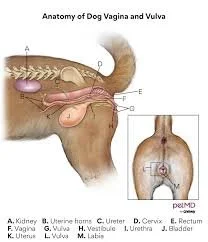
Dystocia can occur for many reasons, including large puppies or kittens, improper positioning, a narrow birth canal, or weak contractions. Some breeds—especially brachycephalic dogs like Bulldogs—are more prone to complications. Understanding your pet’s risk factors helps you prepare before labor begins.
Warning Signs You Should Never Ignore

During labor, timing matters. Seek veterinary help immediately if:
Your pet has strong contractions for 15–30 minutes with no baby delivered.
She has intermittent contractions for over two hours without progress.
You see dark green discharge before the first puppy or kitten arrives.
There is heavy bleeding, extreme discomfort, or sudden lethargy.
These symptoms often indicate that the mother needs urgent assistance, and in many cases, an emergency C‑section is required.
Safe First‑Aid Steps at Home
While professional care is essential for true dystocia, there are a few safe actions you can take while preparing to head to the vet:
Keep the birthing area warm, clean, and quiet.
If a baby is partially visible and stuck, you may gently assist by pulling upward toward the tail during contractions.
If the mother doesn’t remove the birth membrane, carefully tear it away from the newborn’s face so it can breathe.
Tie and cut the umbilical cord only if the mother does not do it herself.
If anything feels difficult or unsafe, stop and seek veterinary care immediately.
After Birth: Monitoring the Mother

Even after delivery, complications like eclampsia or infection can occur. Watch for fever, loss of appetite, trembling, or unusual discharge. Early intervention is key to keeping your pet healthy.
I
Here is a copy-paste FAQ section you can place at the bottom of your Understanding Dystocia in Dogs blog post on Squarespace.
Frequently Asked Questions About Dystocia in Dogs
What is dystocia in dogs?
Dystocia refers to difficult or abnormal labor during the birth process. It occurs when a female dog is unable to deliver puppies naturally without veterinary assistance.
What causes dystocia in dogs?
Dystocia can occur for several reasons, including large puppies, abnormal positioning of the puppy, uterine weakness, narrow birth canal, or complications during pregnancy.
Which dogs are more likely to experience dystocia?
Certain breeds, especially those with large heads or narrow pelvic structures, may be more prone to dystocia. Small breeds and brachycephalic breeds can also have a higher risk.
What are the signs of dystocia in dogs?
Common signs include prolonged labor, strong contractions without delivering a puppy, more than two hours between puppies, visible distress, weakness, or abnormal discharge.
When should I call a veterinarian during my dog’s labor?
You should contact your veterinarian if your dog has been straining for more than 30–60 minutes without producing a puppy, if more than two hours pass between puppies, or if the dog appears in distress.
How is dystocia treated in dogs?
Treatment may include medications to stimulate uterine contractions or veterinary assistance with delivery. In more severe cases, a cesarean section (C-section) may be required.
Is dystocia dangerous for the mother or puppies?
Yes. Dystocia can be life-threatening for both the mother and the puppies if not treated quickly. Prompt veterinary care is important.
Can dystocia be prevented?
While not all cases can be prevented, proper breeding management, prenatal veterinary care, and monitoring during labor can reduce risks.
What happens if a puppy becomes stuck during birth?
A puppy stuck in the birth canal may require immediate veterinary assistance to safely deliver the puppy and protect the mother’s health.
When should I seek emergency veterinary care for dystocia?
Emergency care is needed if the mother shows severe pain, exhaustion, abnormal bleeding, or if labor stops progressing.
Related Pet Health Articles
You may also find these veterinary articles helpful:
• Pyometra in Dogs
• Why Neutering Your Dog Supports Lifelong Health
• Emergency Medicine for Pets
• Ultimate Guide to Soft Tissue Surgery in Pets
• How to Choose the Right Veterinarian
