Dog Private Area Black: When to Worry and How Bushnell Animal Clinic Can Help
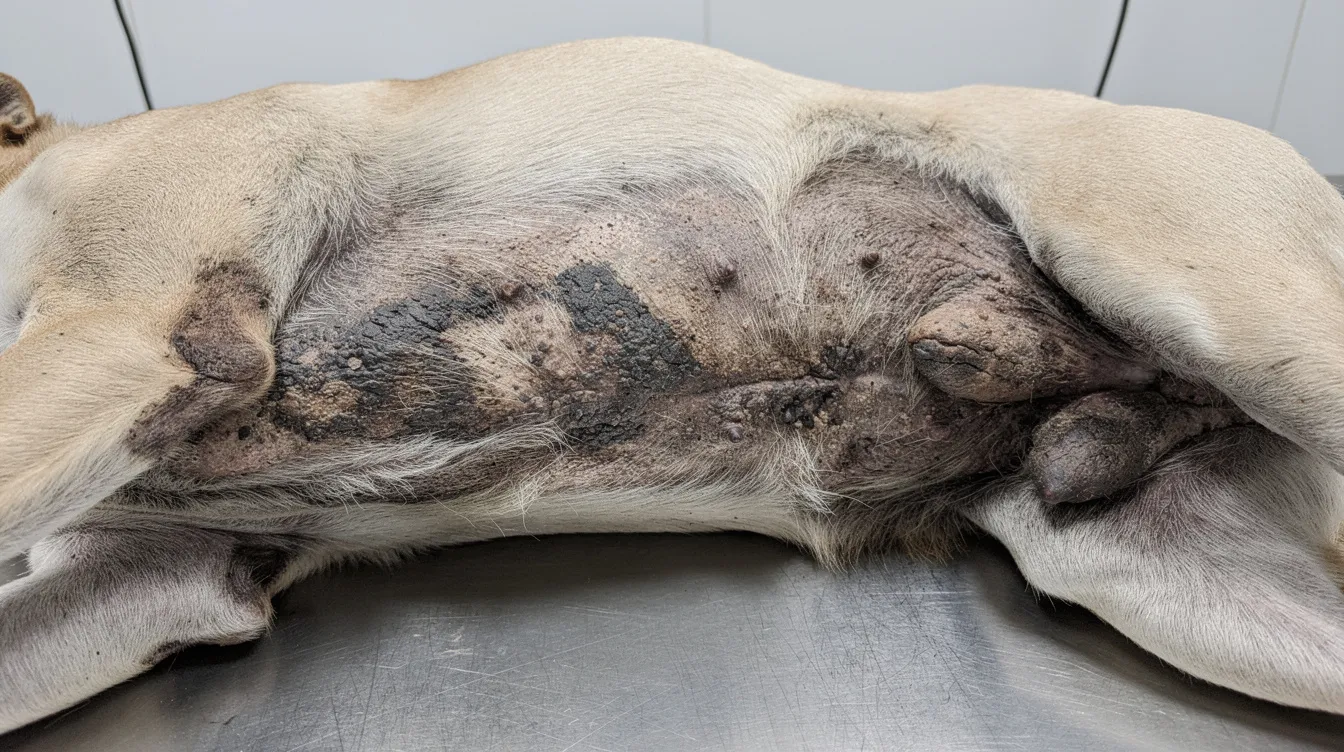
If you searched “dog private area black,” you may have noticed discoloration on the groin, vulva, scrotum, or penis sheath. While some pigment is normal, sudden black skin can result from multiple factors, including hyperpigmentation, infections, allergies, or hormonal disease. Monitoring any changes in your dog's private area is important for your pet's health.
Quick Answer: Is It Serious If My Dog’s Private Area Looks Black All of a Sudden?
A dog’s private area may darken with age, and normal aging can cause many dogs to develop darker skin as they mature. Still, call a vet in Bushnell, FL today if you see:
Excessive itching, foul odor, abnormal discharge from the private area, sores, oozing, fever, pain, intense licking, or urination changes.
Thickened skin, rough “elephant” texture, swelling, or fast-spreading black spots.
Harmless pigment is usually flat, dry, not itchy, not smelly, and stable.
At Bushnell Animal Clinic, we often see groin, inner thigh, and under-tail darkening in Central Florida dogs with allergies, yeast, skin infections, or endocrine disease.
What Does “Black Skin” or a Dark Private Area in Dogs Actually Mean?
Hyperpigmentation is extra melanin in the dog’s skin, ranging from light brown to black spots, splotches, or patches. Hyperpigmentation in dogs is a darkening and thickening of the skin that typically appears as black spots, splotches, or patches, often indicating an underlying medical condition. Hyperpigmentation appears as darkened, thickened patches or spots on the skin, often with a rough texture.
Primary hyperpigmentation is rare, often genetic, and may occur in young dogs.
Secondary hyperpigmentation is far more common; in most cases, it occurs following inflammation, rubbing, allergies, infections, or hormonal abnormalities.
This color change can be present on the vulva, prepuce, scrotum, belly, armpits, lower neck, ears, and inner thighs. Hyperpigmentation can occur in any dog breed, including yorkshire terriers, labrador retrievers, german shepherds, and irish setters. Color is a common symptom, not a final diagnosis.
Common Causes of a Dog’s Private Area Turning Black
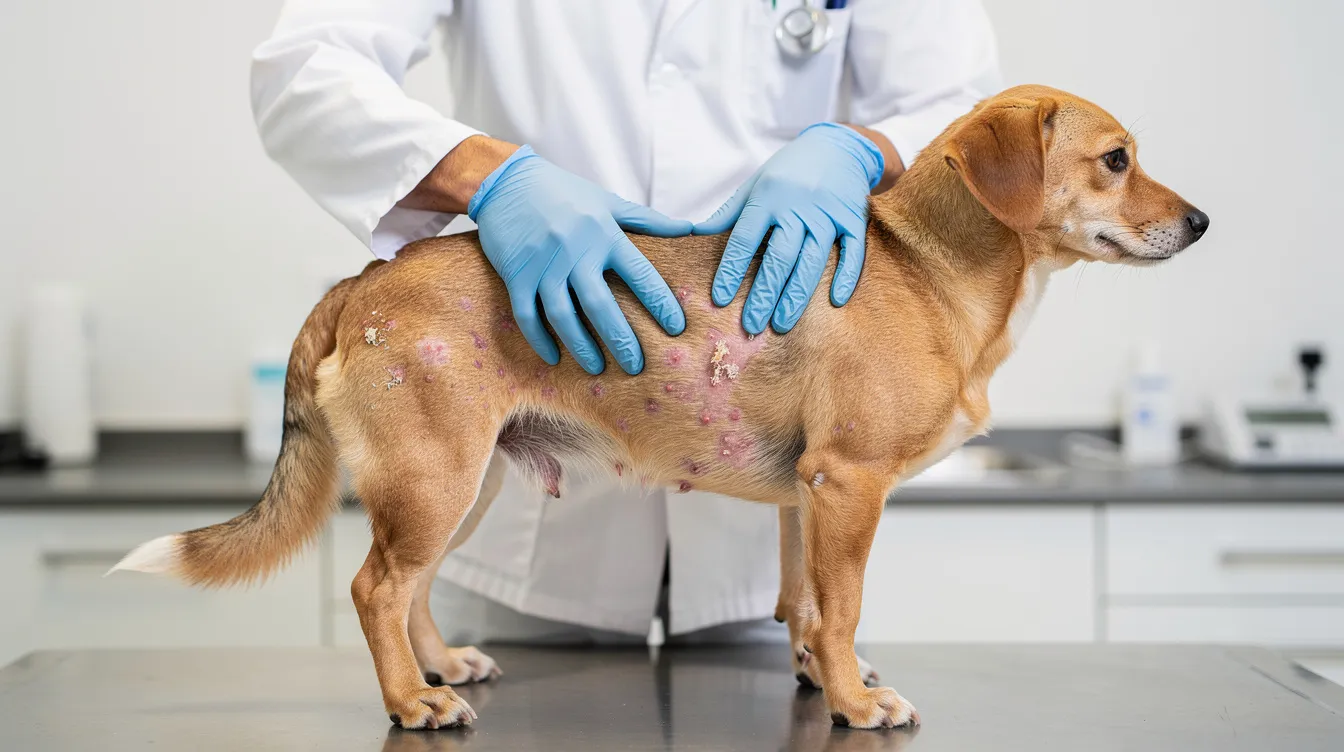
Most darkening we see at Bushnell Animal Clinic is due to a dog's hyperpigmentation, which is often secondary to irritation in the groin and can be a symptom of underlying health issues.
Allergies: environmental allergies, flea allergy dermatitis, food allergy, or an allergic reaction can cause redness, itching, then thick black skin as part of a dog's hyperpigmentation.
Obesity and friction: folds around the vulva, prepuce, and thighs trap moisture and create contact dermatitis.
Infections: bacterial infections and a yeast infection such as Malassezia can cause odor, greasy skin, redness, and later dark, thickened skin. Infections such as bacterial or yeast infections can lead to discoloration of a dog’s vagina, often accompanied by unusual discharge or odor.
Hormonal disease: Conditions like hypothyroidism or Cushing’s disease frequently cause skin darkening in dogs. These hormonal imbalances may also cause hair loss, low energy, recurrent infections, and belly/groin darkening.
Normal changes: heat cycles, pregnancy, and aging can shift pigment. Pregnancy and aging can cause hormonal fluctuations that result in changes in vaginal color in dogs, which may be normal but should be monitored for other symptoms.
Rare causes: primary hyperpigmentation, primary diseases of the skin, tumors, mites, autoimmune disease, or other causes.
Special Focus: Darkening Around a Female Dog’s Vulva
Owners often notice a dark ring or patches on the vulva and inner thighs.
A dog’s vaginal color can change due to hormonal shifts, particularly during reproductive cycles like estrus, which can temporarily darken the vagina due to increased blood flow.
Vulvar fold dermatitis is common in overweight or short-tailed pets when urine and moisture sit in folds.
Vaginitis or urinary tract infections may add discharge, licking, odor, and discomfort.
Persistent rough, moist, or smelly vulvar skin should be checked. We may discuss spaying, weight loss, hygiene, and treatment to reduce recurrences.
Special Focus: Darkened Skin Around a Male Dog’s Penis or Scrotum
Male dogs often have naturally darker scrotal or preputial skin, but sudden change deserves a physical exam.
Normal color is thin, smooth, and not painful.
Abnormal signs include crusts, swelling, discharge, odor, licking, or pain.
Balanoposthitis, skin infections around the sheath, testicular tumors, and hormonal imbalances can darken the area.
Other Signs to Watch For Along With Black Skin
Look at the whole picture, not color alone.
Local symptoms: redness, flakes, greasy feel, bumps, pimples, crusts, open sores, hot spots, or secondary infection.
Behavior: nonstop licking, chewing, scooting, guarding, reluctance to sit, or whining.
Black skin plus these signs means your dog should be seen promptly.
How Veterinarians at Bushnell Animal Clinic Diagnose Dark Skin on the Private Area
Diagnosis focuses on the dog's condition and the underlying cause, not just lightening the pup’s skin. It is crucial to have a veterinarian assess the dog's condition and diagnose the root cause of skin conditions in dogs through methods like skin scrapings, cytology, or blood tests.
History: onset, diet, flea prevention, heat cycle, medications, steroid ointments used at home, and changes in behavior.
Thorough examination: a full physical exam checks genitals plus belly, armpits, lower neck, ears, and additional skin changes.
In-clinic tests: cytology, tape impressions, skin scrapings, and sometimes fungal culture help determine yeast, bacteria, mites, or ringworm.
Lab work: bloodwork and urinalysis screen for thyroid disease, Cushing’s disease, diabetes, and infection.
Skin testing: allergy workups may include an elimination diet or environmental allergy discussion.
Biopsy: used rarely for cancer, autoimmune disease, or unusual medical conditions.
Many veterinarians stress that accurate diagnosis is what prevents repeat flare-ups and worsening health issues.
Treatment Options for a Dog’s Blackened Private Area
Treatment options depend on the underlying issues and your dog’s condition, and are always selected to improve or protect your pet's health.
Treat infections with antibiotics, antifungal medication, or topical therapy based on cytology.
Topical therapy using medicated shampoos containing antifungal or antibacterial agents can help manage yeast or bacterial overgrowth in dogs.
Reduce inflammation with vet-approved wipes, medicated shampoos, or prescription creams.
Manage allergies with flea control, allergy medication, diet trials, or immunotherapy.
Treat hormonal abnormalities with thyroid medication or Cushing’s care when indicated.
Address obesity with realistic diet and exercise plans to reduce fold friction.
Dog’s hyperpigmentation often fades slowly over weeks to months. Sometimes it never returns fully to puppy-pink; comfort matters more than perfect color.
Home Care Tips (What You Can and Can’t Safely Do)
Never use human steroid ointments, bleach, hydrogen peroxide, or scented wipes on a pet’s genitals without veterinary guidance.
Use lukewarm water, vet-approved wipes, and careful drying only if advised by a vet.
Keep year-round flea prevention in Bushnell and Central Florida.
Take dated photos of spread, texture, itching, and odor.
Avoid aggressive scrubbing, which can worsen inflammation and secondary infection.
Recovery, Long-Term Management, and When to Call Bushnell Animal Clinic

Many dogs live comfortably once the underlying trigger is controlled.
Infections often improve in 1–3 weeks; dark pigment may soften over weeks to months.
Follow-up visits help adjust medication, recheck cytology, and protect your pet’s health.
Call Bushnell Animal Clinic for rapidly spreading red or black skin, bleeding, pus, strong odor, sudden lethargy, appetite loss, pain, or trouble urinating.
Hyperpigmentation can lead to more severe skin issues, such as extensive hair loss, secondary infections, or oozing skin, if the underlying cause is not identified and treated.
Our family-owned clinic offers affordable exams, diagnostic testing, and ongoing support for dogs in Bushnell and greater Central Florida. If you are concerned about your dog’s skin, contact Bushnell Animal Clinic for help.
