Newborn Puppy Diarrhea Yellow: When To Worry & What To Do
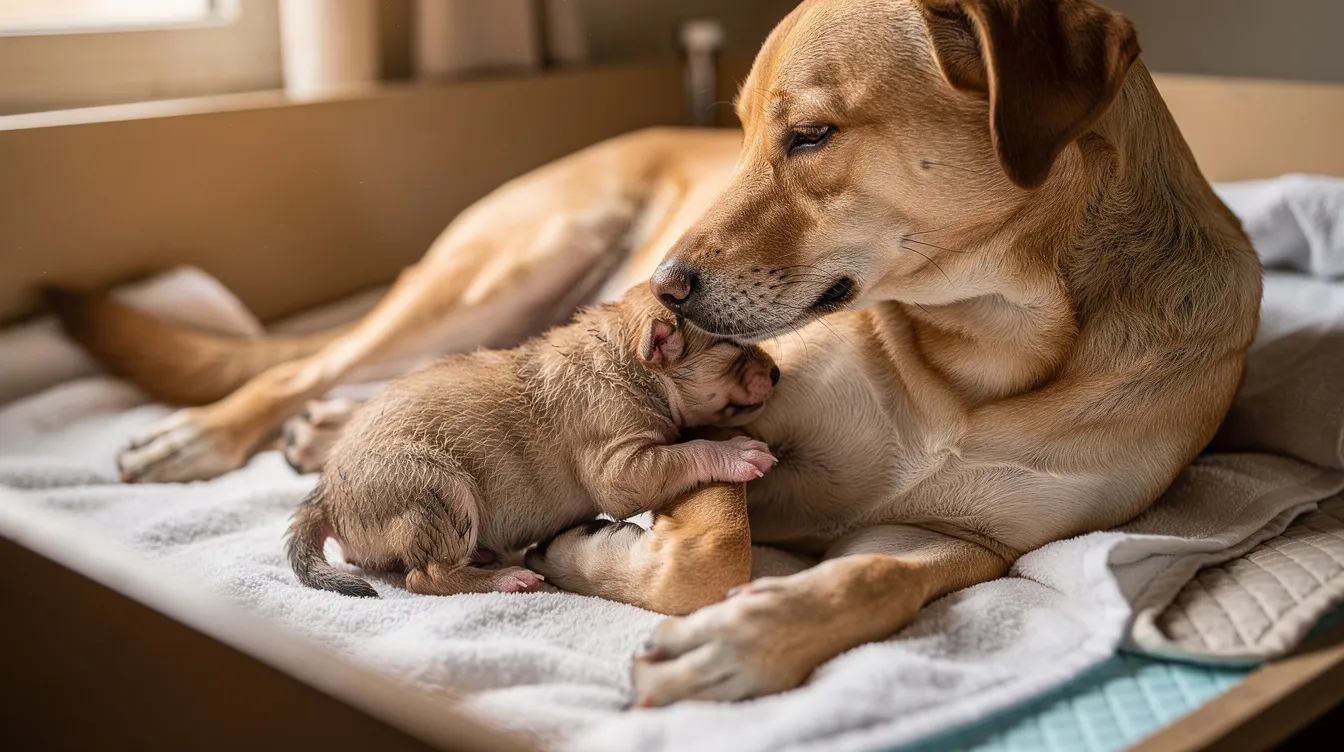
Few things cause more anxiety than watching a tiny newborn puppy struggle with digestive upset. Yellow stool in very young pups can be perfectly normal, but yellow diarrhea is a different story entirely. Understanding the distinction in your newborn puppy's poop—what is normal versus what is concerning—could save your puppy’s life, especially during those critical first few weeks when these fragile animals can deteriorate within hours.
Quick Answer: Is Yellow Diarrhea in a Newborn Puppy an Emergency?
Pale yellow, toothpaste-like stool is typically normal in newborn puppies under one week old. Their digestive systems are still immature and primarily processing mother’s milk, which contains high fat content that bile pigments naturally color yellow. However, monitoring your puppy's poop color is crucial, as watery yellow diarrhea signals a serious issue requiring immediate veterinary attention, especially if your pup shows weakness or refuses nursing.
Normal neonate puppy stool is pasty and yellow or tan in color, and variations from this can indicate problems that need prompt assessment. If a puppy’s poop color changes suddenly or is consistently yellow and accompanied by symptoms like vomiting, diarrhea, or lethargy, it is important to consult a vet right away. Signs of illness in newborn puppies include lack of weight gain, lethargy, and failure to nurse, and these symptoms require immediate veterinary attention.
Red flag signs that mean you should call your veterinarian in Bushnell, FL immediately include very watery yellow stool that forms puddles or soaks bedding, a foul sour or rotten odor unlike the mild scent of healthy milk digestion, the presence of blood making it red-tinged or black, constant crying signaling pain, cold pale gums instead of pink moist ones, not nursing for more than three to four hours, or failure to gain weight since yesterday. Healthy newborns should gain five to ten percent of body weight daily during their first week of life. Monitoring for black, red, pale, or green changes in your puppy's poop color is also important, as these can indicate underlying health conditions that require prompt veterinary attention.
Puppies zero to seven days old with diarrhea can deteriorate within hours and should be seen the same day. Their immune systems lack full colostral antibody protection by day three, and they cannot regulate their own body temperature well, making them prone to hypothermia and secondary infection. Puppies born to a fully vaccinated mother have better immunity, which helps protect them from severe infections during this vulnerable period. The distinction between normal yellow newborn poop, which appears soft, mustard-like in small amounts, versus abnormal yellow diarrhea with large volumes or liquid leaking from the rectum could mean the difference between a healthy pup and a tragic outcome. If you are in Central Florida and worried about a new puppy with yellow diarrhea, contact Bushnell Animal Clinic immediately for triage.
Normal Newborn Puppy Poop vs. Yellow Diarrhea
Newborn puppies on a milk-only diet usually produce yellow stool, so puppy’s poop color alone is not the full story. Texture, smell, frequency, and volume provide critical information for determining whether your pup needs help. Normal newborn stool appears yellow to light brown, pasty or toothpaste-like with a smooth consistency, expelled in small pea-sized amounts several times daily after nursing, and carries a mild non-foul smell.
In contrast, yellow diarrhea manifests as watery pudding-to-liquid consistency that soaks bedding, occurs more frequently than normal sometimes hourly, and emits a sour rotten odor from bacterial fermentation. Dehydration is the primary risk associated with diarrhea in newborn puppies, and signs include dry or sticky gums and skin that does not snap back when pinched. Seedy or grainy-looking yellow stool can still be normal if puppies exhibit vigor, maintain warmth around ninety-eight degrees Fahrenheit rectally, and gain weight steadily, as seeds represent curds of undigested milk fat common in bottle-fed neonates. Track changes over twelve to twenty-four hours with timestamped photos or notes to show Dr. Roger Hart at Bushnell Animal Clinic.
Why Is My Newborn Puppy’s Poop Yellow?
The yellow hue in a newborn puppy’s poop derives from bile pigments like bilirubin processed by the immature liver during fat breakdown from mother’s milk. This milk contains eighty to ninety percent fat for rapid growth, naturally tinting feces bright yellow in healthy neonates without indicating pathology. Regular eating is crucial for healthy development, weight gain, and early detection of health issues, as irregular or absent eating can signal medical problems or complications with the mother's milk.
Bile, produced continuously by the liver and stored in the gallbladder, emulsifies lipids for absorption in the small intestine. In puppies under two weeks whose gut flora and good bacteria are underdeveloped, excess unconjugated bilirubin passes undigested, yielding the characteristic color. Colostrum in the first twenty-four hours after birth, rich in immunoglobulins and higher fats, produces even softer brighter yellow stool. Puppies that do not receive colostrum from their mother are at risk of developing gastrointestinal tract issues caused by various bacteria, making that first day of nursing critical.
Yellow poop in newborn puppies can be due to their milk diet, but it may also indicate malabsorption or a dietary imbalance if persistent. Yellow stool alone rarely signals trouble unless paired with watery texture, putrid odor, or behavior changes like crying or weakness. As puppies approach three weeks and start weaning onto puppy gruel, stool usually shifts toward tan-brown firmer forms reflecting dietary diversification. Similar yellow stool issues can also occur in a newborn kitten due to diet and immature digestion.
Common Causes of Yellow Diarrhea in Newborn Puppies
While some causes of yellow diarrhea are mild, like a brief change in milk intake, others are life-threatening and demand prompt veterinary intervention to protect the entire litter.
Overeating is a common cause of diarrhea in newborn puppies, especially when they are fed too much after a delay in their mother’s milk production. In small litters or immediately post-letdown when milk is abundant, puppies may gorge, overwhelming the gut’s lactase capacity and producing osmotic diarrhea. Hand-reared puppies commonly suffer from milk replacer issues such as dilution below recommended ratios causing malabsorption, over-concentration leading to fat overload, or brand switches disrupting microbial balance. Studies show formula mismatches nearly double diarrhea incidence in bottle-fed neonates. Certain breeds, particularly toy breeds like Chihuahuas or Miniature Dachshunds, may have unique vulnerabilities to digestive issues and require extra attention to feeding and care.
Common causes of yellow diarrhea in puppies include immature digestion, intestinal parasites such as coccidia and giardia, and bacterial imbalances. Infectious agents dominate severe cases, including bacterial pathogens like E. coli, Salmonella, and Clostridium which overgrow in immunologically naive neonates. Viral threats like parvovirus can affect pups over one week old with hemorrhagic yellow stool, and parasites like roundworms passed transplacentally or hookworms via colostrum yield frothy yellow output.
Stress from chilling below ninety-five degrees Fahrenheit slows digestion and invites bacterial translocation. Early positive interactions with adults—both humans and other adult dogs—are important for socialization, supporting healthy behavior and reducing stress-related digestive problems. Maternal factors matter too. If the mom is sick, on inappropriate medications, or has mastitis, her milk quality changes and can trigger diarrhea across the litter. Diarrhea in puppies can be caused by infections, parasites, or dietary issues, and it is important to monitor their health closely for any changes. A full exam and fecal testing at Bushnell Animal Clinic is warranted if yellow diarrhea lasts longer than a few hours or occurs in more than one puppy.
When Yellow Newborn Puppy Diarrhea Is an Emergency
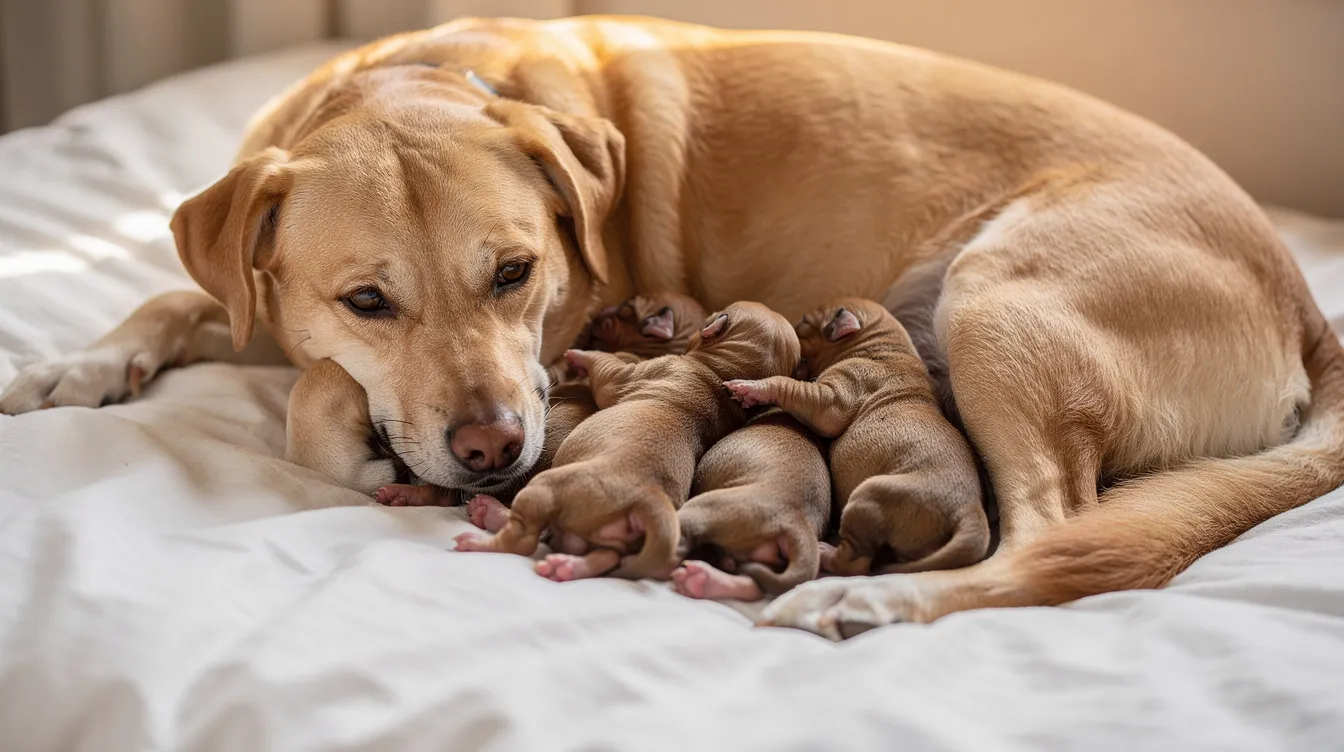
Newborn puppies zero to four weeks can become dangerously dehydrated very quickly, losing five to ten milliliters per diarrheal episode. Owners should not wait a few days if warning signs appear. Puppies are at high risk of lrapid dehydration, which can lead to fatally low blood sugar levels. Survival rates drop below thirty percent after twenty-four hours of untreated severe diarrhea.
Immediate veterinary consultation is advised for puppies exhibiting yellow diarrhea, particularly if accompanied by additional symptoms like vomiting or weight loss. Urgent signs encompass watery yellow stool combined with sunken tacky gums losing elasticity, body temperature below ninety-five degrees Fahrenheit in week one or ninety-seven in week two measured rectally, incessant crying from abdominal colic, nursing refusal risking blood glucose below forty milligrams per deciliter, distended painful belly from gas, or blood-mucus streaks signaling enteritis. A newborn puppy’s rectal temperature should be monitored, as it should range from 95-99°F, and low temperatures can lead to hypothermia and feeding issues.
Puppies under two weeks showing yellow diarrhea and dark yellow urine or dehydrated dry gums must be seen the same day. Readers in Sumter, Pasco, Hernando, Lake, Citrus, and Marion counties can reach Bushnell Animal Clinic for phone triage and prompt care when these signs appear.
What to Do at Home While You Call the Vet
Home measures support but never replace professional care for neonatal diarrhea. Inappropriate interventions like human medications can cause toxic megacolon in tiny patients. Do not give human medications or cow’s milk to puppies with diarrhea unless specifically instructed by a veterinarian.
Maintaining warmth and preventing dehydration are critical for newborn puppies with diarrhea. Newborn puppies cannot regulate their own body temperature, making it essential to keep them warm during illness to support recovery. Use a heating pad on the lowest setting under half the bedding or a warm water bottle wrapped in a towel at one hundred degrees Fahrenheit, ensuring pups can crawl away if they get too warm.
For bright active puppies with mild looseness, monitor nursing every two hours ensuring proper latch and swallow. For bottle-fed pups, pause one feeding then restart with correctly mixed, vet-approved milk replacer at fifteen milliliters per one hundred grams body weight daily in six to eight feeds if your vet agrees. Avoid giving probiotics, yogurt, or rice water as neonates lack the gut flora for fermentation. Log last normal stool time, number of diarrhea episodes, and any vomiting or lethargy to report these details to Bushnell Animal Clinic.
How Vets Diagnose and Treat Newborn Yellow Diarrhea
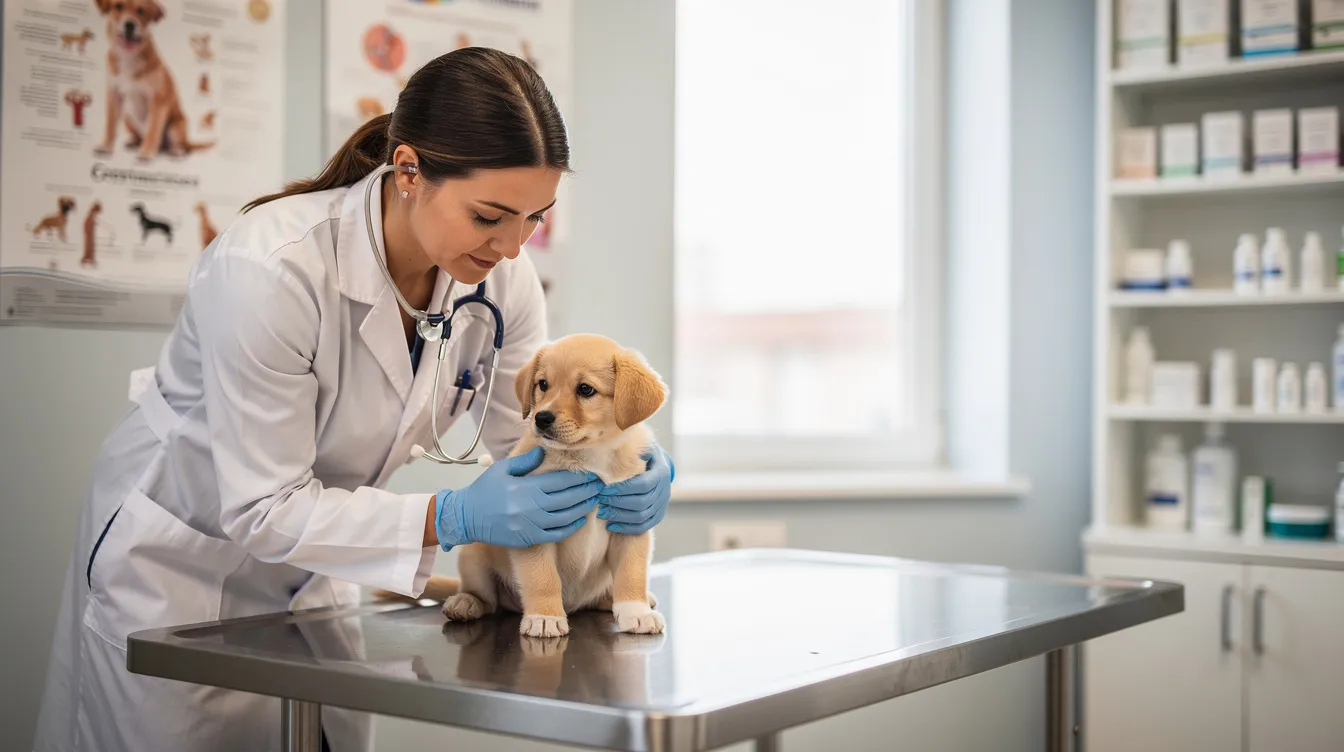
A physical exam and thorough history are critical because tiny puppies cannot safely wait for trial and error home remedies. At Bushnell Animal Clinic, Dr. Roger Hart will check weight, hydration status via gum moisture and capillary refill, body temperature, belly comfort, and reflexes. Examining the entire litter and the mother dog when possible helps determine if infection is spreading.
Common tests include fecal centrifugation for intestinal parasites like roundworm ascarids, ELISA for parvovirus with ninety-five percent sensitivity in neonates over seven days, cytology for bacteria, and bloodwork if the pup is stable and large enough. Treatments encompass convective warming to normothermia, subcutaneous fluids at five percent body weight volume for rehydration, carefully dosed antibiotics when indicated, and age-appropriate deworming. Some vaccines, such as Bordetella, can be administered via the mouth (oral route), and this method typically does not require an immediate booster but should be repeated every six months for optimal protection. The vet may adjust feeding routines, changing formula, adjusting volumes, or recommending more frequent smaller feeds to give the gut time to recover. Early therapy yields over ninety percent survival and helps protect the rest of the litter.
Preventing Diarrhea in Newborn Puppies
Planning before and right after whelping greatly reduces the risk of serious diarrhea in puppies. Maternal preventive care matters most. Ensure vaccinations including distemper and parvovirus plus deworming for the mother dog before breeding and during pregnancy as recommended by your veterinarian. This reduces neonatal parasite burdens by up to seventy-five percent.
Maintain clean whelping conditions with fresh bedding daily, regular cleaning of the box, washing hands before handling dogs, and limiting visitors during the first two weeks when immunity wanes. Keeping the yard clean and free of waste is also essential to reduce the risk of infections and parasites in newborn puppies. Stick to a consistent diet for mom using AAFCO growth formulas without sudden food changes after whelping. For orphans or weak pups, use a single vet-approved milk replacer consistently.
Supervised play is important for puppies, as it supports socialization, helps reduce stress, and can prevent digestive issues. Monitoring a newborn puppy’s weight daily is crucial, as consistent weight gain is a key indicator of health and proper nursing. Schedule routine neonatal check-ups at Bushnell Animal Clinic in the first two to three weeks to track weight gain, hydration, fleas, and early parasite control. Watch each puppy’s stool daily, noting any shift from normal yellow paste to watery liquid that would require immediate attention.
When to Call Bushnell Animal Clinic About Newborn Puppy Diarrhea
No concern is too small when it comes to newborn puppies, especially in the first seven to ten days of life when fading puppy syndrome claims up to forty percent of affected litters. Contact us immediately for any watery yellow diarrhea in a pup under three weeks of age, diarrhea affecting more than one puppy suggesting contagion, diarrhea plus weight loss or failure to gain, or if you are bottle-feeding and unsure about formula ratios or feeding volumes.
Bushnell Animal Clinic offers comprehensive newborn care from physical exams and diagnostics to parasite control and emergency support for very young puppies. Our website provides contact information and helpful resources for new puppy owners. We focus on affordable, compassionate care in a calm, family-friendly environment, helping first-time breeders and families feel comfortable asking questions. Call Dr. Roger Hart promptly rather than waiting overnight if your newborn puppy with yellow diarrhea seems sick or off. Early action can determine whether your puppy thrives or faces serious health issues. Your pup’s life may depend on it.
