Greyhound Osteosarcoma: Risks, Signs, and Care
Greyhound Osteosarcoma (Bone Cancer) – Risks, Signs, and Care
A diagnosis of bone cancer in your greyhound can feel overwhelming. This article is specifically written for greyhound owners who are concerned about bone cancer in their dogs. Here, you’ll find clear information about the risks greyhounds face, the warning signs to watch for, how osteosarcoma is diagnosed, available treatment options, and practical care tips for supporting your dog. Understanding what osteosarcoma means for your greyhound—and knowing your options—helps you make informed decisions during an emotionally difficult time.
Bone Cancer (Osteosarcoma) in Greyhounds

Osteosarcoma is the most common type of bone cancer in dogs, accounting for approximately 85% of all canine bone cancers. Sadly, it is a leading cause of death in older greyhounds, causing severe pain and rapid metastasis to other organs, particularly the lungs.
Greyhounds have a vastly elevated incidence compared to other dogs. Studies from the early 2000s suggest osteosarcoma may account for approximately 25% of greyhound deaths in some retired populations, though this figure varies. The disease destroys healthy bone from within, weakening the leg bone until even minor activity can trigger a spontaneous fracture.
This article focuses exclusively on dogs—specifically greyhounds and similar large sighthounds. While osteosarcoma looms large in this breed, most limps are caused by soft tissue injuries, corns, or arthritis. If you notice your greyhound limping, prompt veterinary assessment matters more than panic.
Key takeaways:
Osteosarcoma is a serious, aggressive disease
Greyhounds face high risk compared to the average dog
Most lameness has less serious causes
Early vet evaluation is essential
What Is Osteosarcoma?
Osteosarcoma is a malignant cancer arising from bone-forming cells, typically affecting the long bones of large and giant breed dogs. When vets discuss bone cancer in dogs, they almost always mean osteosarcoma—it behaves aggressively, destroying bone locally while spreading to the lungs.
One study found that osteosarcoma accounted for almost 50% of all tumors seen in greyhounds. Great Danes, Rottweilers, and Irish Wolfhounds also show increased risk. Research using an innovative genetic approach and genome wide discovery methods identified 33 loci—including different genetic markers near CDKN2A/B—that confer risk specifically in these breeds. Classical genetic approaches initially failed to identify these osa mutation patterns, but newer methods that enable genome wide discovery proved more successful.
Osteosarcoma commonly affects both racing and retired pet greyhounds. Risk rises from middle age (around 7–8 years) onwards, though racing performance stressors may cause earlier presentation in some individual dogs.
Where Does Osteosarcoma Strike in Greyhounds?
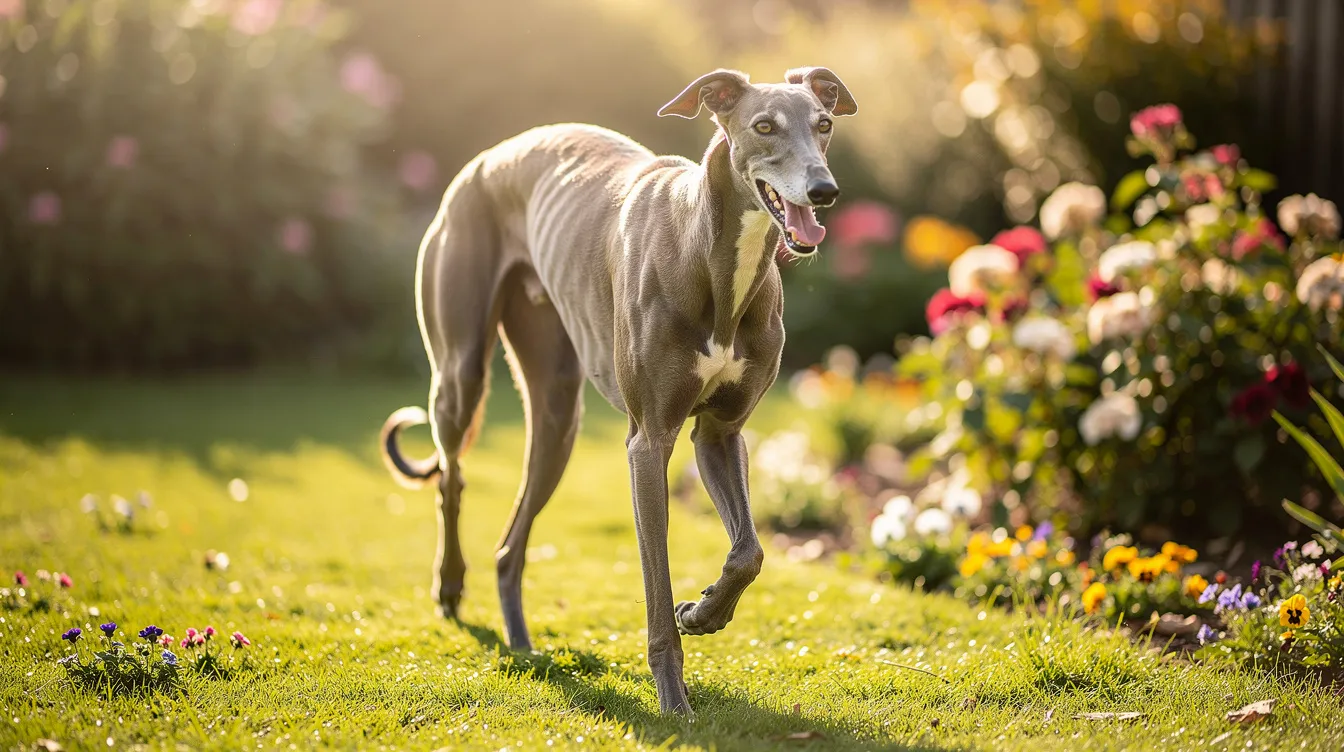
In greyhounds, osteosarcoma usually appears in the limbs rather than the spine or skull. The most common locations are:
Front leg above the wrist (distal radius)
Upper arm near the shoulder (proximal humerus)
Hind leg above or below the knee (distal femur, proximal tibia)
The classic pattern—“away from the elbow, toward the knee”—holds true for this greyhound variant. Localized swelling often appears on the limbs, particularly near the shoulder, wrist, or knee.
Early symptoms include intermittent lameness worsening over days or weeks, pain when touching the area, and reluctance to climb stairs. Affected greyhounds may exhibit a noticeable hard swelling at the site of the cancer, or they may become suddenly lame, often overnight. Many owners notice their previously active dog experiencing more pain with normal activities.
As disease advances, the weakened bone may fracture with minimal trauma, causing extreme pain and complete inability to bear weight on the affected limb. This requires immediate attention from an emergency vet.
X-rays of affected bones often show a distinctive “moth-eaten” appearance where the disease has replaced normal bone. However, only a vet using imaging plus a fine needle aspirate or bone biopsy can reliably distinguish cases from infections or other bone diseases.
How Is Osteosarcoma Diagnosed?
Diagnosis aims to answer two questions: “Is this cancer?” and “Has it already spread?”
Your vet will perform a thorough physical exam, checking all limbs and spine, assessing pain location, and asking about age, racing history, and when the limping greyhound first showed symptoms. Osteosarcoma is commonly diagnosed in senior greyhounds between 7 and 9 years old, though it can occasionally affect younger dogs.
The typical diagnostic workup includes:
X ray of the painful bone (often same-day if cancer is suspected)
Chest x rays or CT scan to check for lung metastases
Fine needle aspirate of the lesion for rapid cytology
Bone biopsy for definitive diagnosis when needed
Blood and urine tests to assess overall health
Biopsies in weight-bearing bones carry fracture risk, so some vets recommend proceeding directly to amputation based on typical x ray appearance combined with breed and age. Such findings often provide sufficient certainty for treatment decisions.
Ask your vet to explain each test’s cost and how results will guide treatment options—this helps you make informed decisions under emotional pressure.
Treatment Options for Greyhound Osteosarcoma
There is no simple cure for osteosarcoma, but treatment can significantly improve comfort and extend meaningful life. Without treatment, the average life expectancy for greyhounds diagnosed with osteosarcoma is typically just one to two months—dogs suffer rapidly worsening pain as the disease progresses.
Amputation
Amputation is the primary treatment for osteosarcoma to relieve pain. Most greyhounds adapt surprisingly well to life on three legs if their remaining limbs are healthy. Amputation of the affected limb can increase life expectancy from just weeks to an average of 4–6 months.
Chemotherapy
Chemotherapy (commonly carboplatin or doxorubicin) is often recommended following surgery because osteosarcoma metastasizes early to the lungs. When amputation is followed by chemotherapy, the average survival time can extend to around 10–12 months, although this varies by individual dog.
Radiotherapy
Radiotherapy may be considered in some cases, either as a primary treatment when surgery is not possible or as an adjunct to other therapies. It can help control pain and slow tumor progression, though its availability may be limited to specialist centers.
Palliative Care
Palliative care becomes the priority for greyhounds who are not candidates for aggressive treatment, such as those with severe arthritis, heart disease, or extreme frailty. Some racers carried previous injuries that affect their candidacy for surgery. The focus is on managing pain and maintaining quality of life.
Treatment options for greyhounds diagnosed with osteosarcoma include:
Pain relieving medication
Amputation of the affected limb
Chemotherapy
Radiotherapy
Limb-Sparing and Advanced Therapies
Specialist centres may offer limb-sparing surgery, replacing the cancerous bone segment with a graft or implant. This primarily suits front leg lesions and requires intensive aftercare. Clinical trials at universities like Virginia Tech continue exploring novel approaches.
Survival times generally match amputation plus chemotherapy, so decisions depend on mobility preferences, complication risk, and cost. Ask your vet about referral to a veterinary oncologist—Alvarez proposes that greyhounds make a prime candidate for such advanced treatment given the genetic component of their osa risk.
Palliative Care and Pain Management
Palliative care aims to manage pain and improve comfort in dogs with osteosarcoma who are not candidates for aggressive treatment. The goal is keeping your greyhound comfortable and mobile for as long as possible.
Pain relief typically includes:
NSAIDs suitable for greyhounds
Gabapentin for nerve-related pain
Amantadine as an add-on medication
Stronger opioids in advanced stages
Some clinics offer palliative radiation therapy, which can provide weeks to months of improved comfort. Monitor your greyhound closely for signs that pain control is failing: reduced appetite, nighttime restlessness, reluctance to lie down, or social withdrawal.
Humane euthanasia is often the final, loving act when painful days clearly outnumber good ones. Keeping a simple daily “good day/bad day” journal helps make this decision less overwhelming.
How Common Is Osteosarcoma in Greyhounds?
Greyhounds are five times more likely to develop osteosarcoma than the average dog. Insurance-based studies confirm this vastly elevated incidence across multiple countries.
However, these statistics describe populations, not individual destiny. Many greyhounds—including those adopted through greyhound adoption programs—live long lives and die of unrelated causes. The significant effort required for classical approaches to identify genetic markers eventually yielded to methods using this innovative approach.
For greyhound owners considering their first greyhound or show greyhounds, understanding osa risk helps frame expectations without causing unnecessary alarm. Most limps—especially in younger dogs—result from muscle strain, corns, or arthritis rather than a common cancer like osteosarcoma. The rapid development of symptoms distinguishes concerning cases from minor injuries.
Living With and Supporting a Greyhound With Osteosarcoma
A bone cancer diagnosis devastates greyhound families. The shock is real—but so is your ability to provide comfort.
Daily Care Tips
Use non-slip rugs to prevent falls
Keep food and water easily accessible
Maintain healthy weight to reduce strain
Provide supportive orthopaedic bedding
Exercise and Mobility
Short, gentle walks on even terrain work best. Avoid stairs and rough play. Continue favourite activities—car rides, garden time, quiet companionship—to preserve quality of life.
Emotional Support
Regular vet check-ins help reassess pain control and catch new symptoms like coughing or weight loss. Breed-specific communities understand the unique greyhound variation in this disease and offer valuable peer support.
While osteosarcoma remains a serious threat, informed decisions and thoughtful care make your greyhound’s remaining time as comfortable and meaningful as possible. Your love and attention matter more than you know.
