Puppy Stangles: Symptoms, Treatment & Care in Bushnell, FL
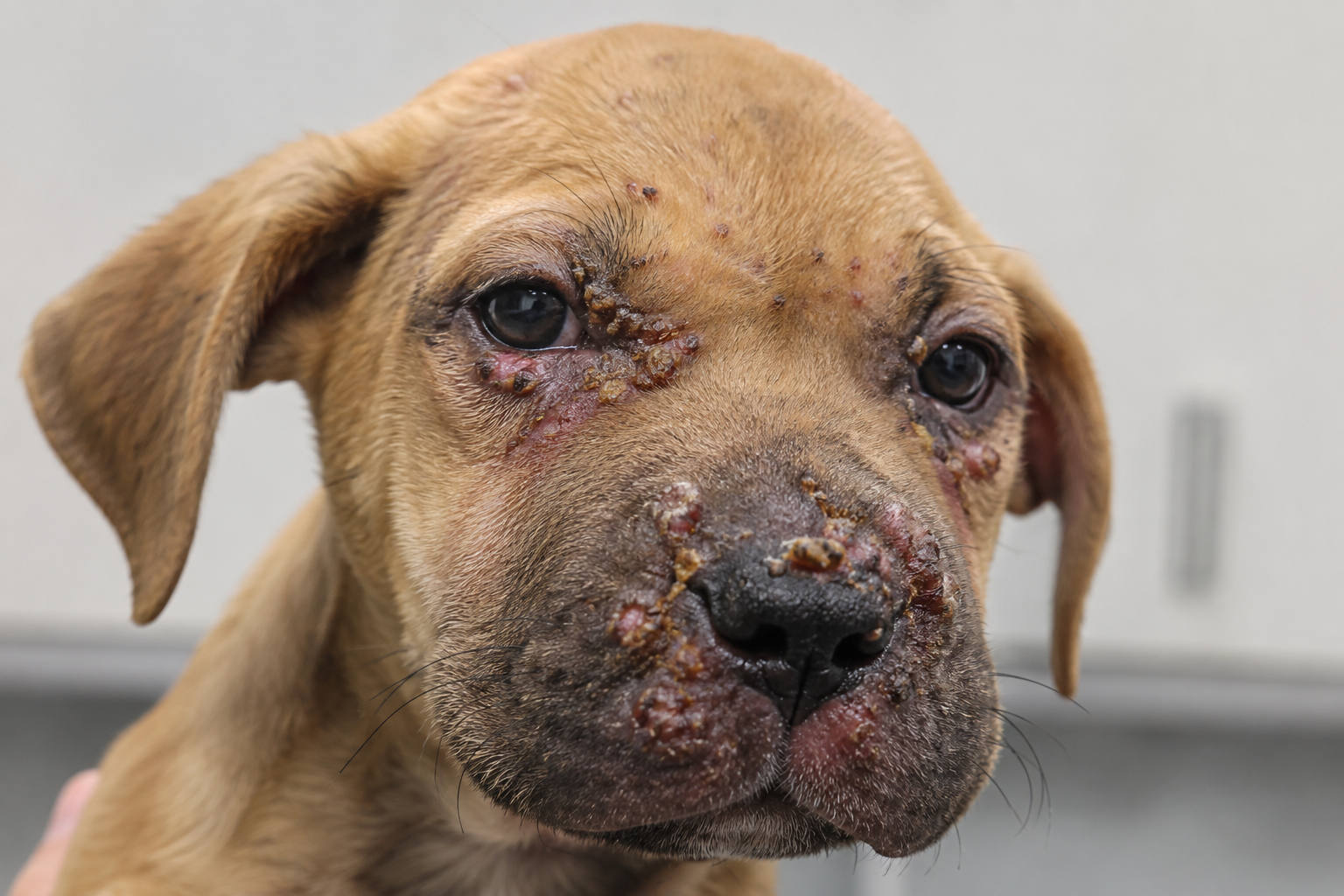
Few things are more alarming for a pet owner than watching their young puppy’s face suddenly swell, develop painful sores, and show signs of distress. Puppy strangles—a rare but serious immune-mediated condition—can strike quickly and progress within days. The good news? With prompt diagnosis and proper treatment at a clinic like Bushnell Animal Clinic in Bushnell, FL, most puppies recover fully and go on to live healthy lives—and when you walk through our doors, you’re welcomed into a caring community dedicated to your pet’s well-being.
Quick Overview: What Puppy Strangles Is & Why It’s an Emergency
Puppy strangles, medically known as juvenile cellulitis, is a painful but typically treatable immune-mediated disease that causes severe swelling and pustules on a young dog’s face and neck. When caught early and treated aggressively, the vast majority of affected puppies make a complete recovery—often within 10 to 14 days.
In plain language, puppy strangles occurs when a puppy’s immune system mistakenly attacks its own skin and lymph nodes, creating inflammation that looks and feels much worse than ordinary skin problems. This condition primarily affects puppies under 6 months of age, though rare cases have been documented in dogs up to 4 years old.
Puppy strangles is not contagious to other dogs or humans and is unrelated to the “strangles” infection found in horses. However, it can progress rapidly and requires prompt veterinary care—do not wait to see if symptoms improve on their own.
At Bushnell Animal Clinic, Dr. Roger Hart and our experienced team diagnose and treat puppy strangles, often on the same day symptoms are noticed. We pride ourselves on providing a smooth and stress-free experience, ensuring every visit is coordinated for your comfort and peace of mind. Our community-focused practice serves families throughout Bushnell, FL and surrounding Central Florida communities with compassion and precision.
The three most critical early signs to watch for: • Swollen face, especially around the muzzle and eyelids • Painful skin pustules on the face, lips, or ears • Fever and lethargy, with the puppy feeling hot to the touch and refusing to eat
If you notice sudden facial swelling or crusty lesions developing on your young puppy’s face, ears, or paws, contact your vet immediately. Data from veterinary case series shows that approximately 80% of cases initially present with mumps-like swelling, which can delay recognition by owners unfamiliar with this condition. Early treatment for puppy strangles is critical to prevent permanent deep scarring and hair loss.
What Is Puppy Strangles (Juvenile Cellulitis)?
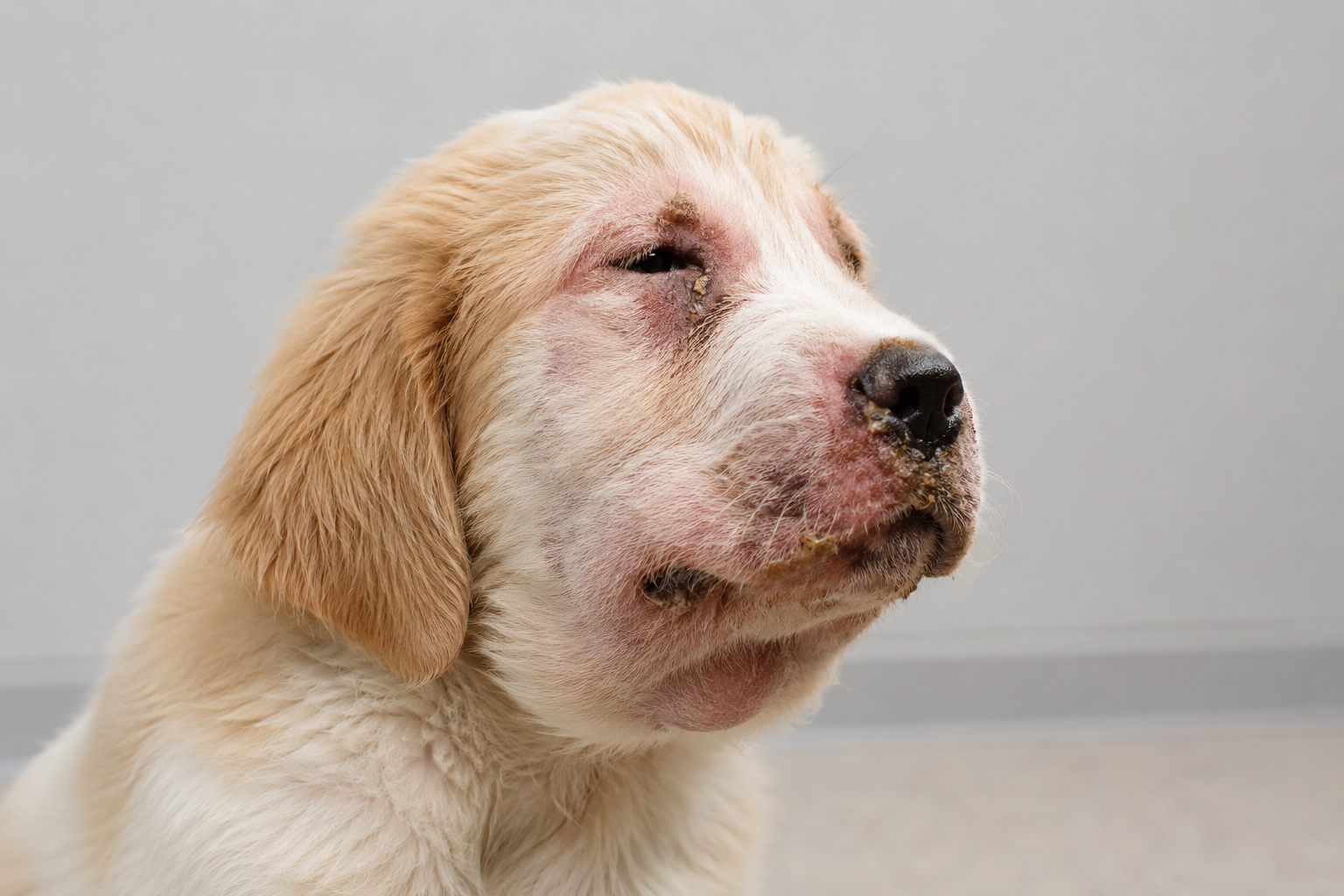
Juvenile cellulitis, puppy strangles, and sterile granulomatous dermatitis and lymphadenitis are all names for the same condition. Let’s break down what each term means in simple language:
Juvenile: Affects young animals, primarily puppies
Cellulitis: Inflammation of the skin and underlying tissue
Sterile: The inflammation is not directly caused by bacteria or other infectious agents
Granulomatous: Characterized by specific inflammatory nodules formed by immune cells
Dermatitis: Skin inflammation
Lymphadenitis: Swollen, inflamed lymph nodes
The word “sterile” is particularly important here. When veterinarians test samples from affected puppies, they typically find no bacteria, fungi, or other pathogens causing the initial problem. However, secondary bacterial infections can develop later when pustules rupture and expose raw skin to environmental bacteria.
Most cases occur between 3 weeks and 4 to 5 months of age, with approximately 90% of affected puppies falling within this range. That said, rare cases have been documented in young adult dogs up to about 4 years old, so age alone doesn’t rule out the condition.
Both purebred and mixed-breed puppies can develop puppy strangles. Puppy strangles is considered more common in certain breeds such as Golden Retrievers, Dachshunds, Gordon Setters, and Siberian Huskies. Golden Retrievers appear particularly overrepresented, accounting for roughly 25% of reported cases in veterinary literature.
The underlying mechanism involves the immune system mistakenly identifying normal skin structures—particularly hair follicles and sebaceous glands—as foreign invaders. This triggers an inflammatory response that causes painful swelling and pustule formation, primarily on the face and around lymph nodes.
It’s worth noting that puppy strangles is distinctly different from simple “puppy acne.” While puppy acne causes mild comedones and typically resolves on its own, puppy strangles creates severe pain, significant swelling, and systemic illness. If your puppy seems to be in genuine distress from skin lesions, this isn’t just acne.
Causes & Risk Factors
The exact cause of puppy strangles remains unknown, making it what veterinarians call an idiopathic condition. Current evidence strongly suggests an abnormal immune response is at the heart of the problem.
Think of it this way: your puppy’s immune system is designed to protect the body from genuine threats like bacteria and viruses. In puppy strangles, those defenses become confused and misidentify normal skin structures as dangerous invaders. The immune system then launches a full attack against the puppy’s own tissues, triggering the severe inflammation and pustule formation characteristic of this disease.
Certain breeds appear in case reports more frequently than others:
Golden Retrievers — Highest risk, up to 4.5 times baseline risk
Dachshunds — Elevated risk
Gordon Setters — Elevated risk
Labrador Retrievers — Moderately elevated risk
Siberian Huskies — Elevated risk
Mixed sporting breeds — Moderately elevated risk
This breed distribution suggests a hereditary component to the condition. Veterinary sources note that littermates or closely related dogs may occasionally be affected within the same family line, with familial clustering observed in an estimated 10-15% of litters according to breeder reports.
Several important points for pet owners to understand:
Puppy strangles is not caused by poor hygiene or inadequate grooming
Vaccines do not cause this condition
You cannot “catch” puppy strangles from your puppy—it’s not transmissible to humans or other animals
Living conditions and cleanliness have no bearing on whether a puppy develops this disease
Some veterinary researchers hypothesize that stress, recent illness, or other immune triggers may play a role in precipitating the condition in genetically susceptible puppies. Similar immune and skin disruptions can also contribute to problems like Similar immune and skin disruptions can also contribute to problems like painful hot spots in dogs, which require prompt attention as well.painful hot spots in dogs, which require prompt attention as well. However, research in dogs remains limited, and no specific environmental trigger has been definitively identified.
Clinical Signs: How to Recognize Puppy Strangles at Home
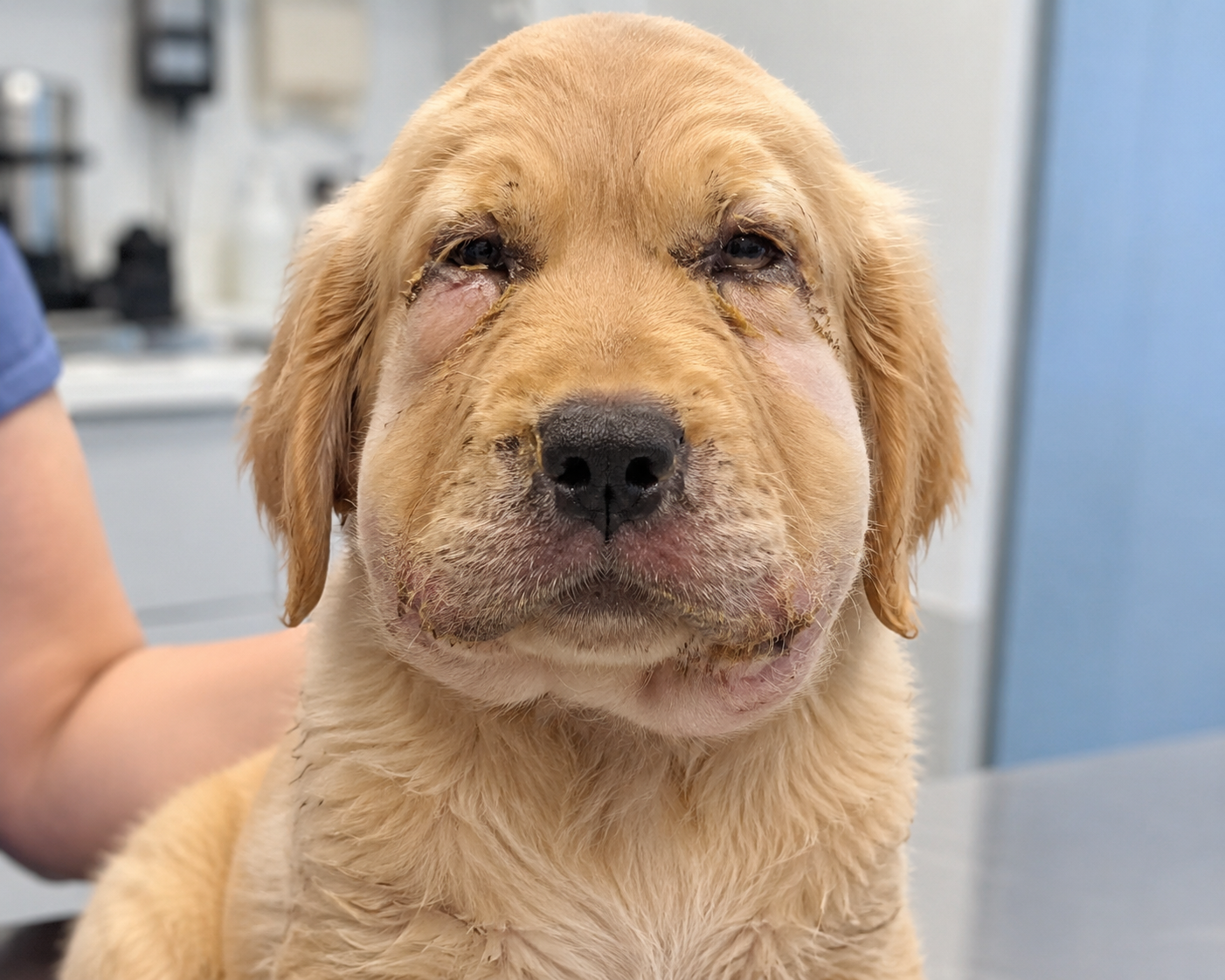
Signs of puppy strangles often appear suddenly and are most noticeable around the head and neck. Symptoms typically develop over just a few days and can worsen rapidly without treatment.
Early Skin Signs
The first thing most owners notice is a puffy, swollen muzzle and eyelids. This swelling is often bilateral, giving the puppy a distinctive “moon face” appearance. Small red bumps quickly appear on the face, progressing to pus-filled pustules concentrated on the:
Muzzle and lips
Eyelids and around the eyes
Inside and outside of the ears
Occasionally the chin and throat
Common symptoms of puppy strangles include sudden facial swelling, pustules that can rupture, swollen lymph nodes, and signs of systemic illness such as fever and lethargy.
Progressive Changes
As the condition advances, pustules rupture and form thick crusts and scabs. These lesions often ooze yellow or blood-tinged discharge, and a noticeable odor may develop if secondary bacterial infection sets in. Hair loss occurs in affected areas as the inflammatory process damages hair follicles.
Symptoms of puppy strangles include significant swelling around the muzzle, lips, eyelids, and ears, pustules, crusting, and swollen lymph nodes under the jaw.
Lymph Node Involvement
The lymph nodes under the jaw and around the neck become markedly enlarged—sometimes 2 to 10 times their normal size. These swollen nodes feel firm, are extremely tender to touch, and can occasionally rupture to form draining tracts that ooze material with a necrotic odor.
Whole-Body Symptoms
Beyond skin changes, affected puppies often show systemic signs including:
Fever (rectal temperature above 103°F, and the puppy feels hot to the touch)
Decreased or absent appetite lasting more than 48 hours
Whining, especially when touched around the face
Reluctance to be handled or petted
Lethargy and decreased playfulness
Limping or joint pain (occurring in approximately 15-20% of cases)
Distinguishing from Other Conditions
Puppy strangles can be confused with other skin problems, but several features help differentiate it—and it’s also important to distinguish these lesions from more serious issues like skin cancer on dogs, which may look similar in the early stages:
Demodectic mange — Slower onset, often affects paws primarily
Ringworm — Circular patches, may fluoresce under special light
Flea allergy — Affects rear end primarily, visible parasites
Puppy acne — Much milder, no lymph node swelling, not painful
The combination of facial distribution, explosive lymph node swelling, severe pain, and rapid progression distinguishes puppy strangles from these more common conditions.
Diagnosis: What to Expect at the Veterinary Clinic
When you bring your puppy in with suspected puppy stangles, rest assured that diagnosis usually begins with a detailed history and thorough physical examination. Creating an account with our clinic allows you to easily manage your puppy's medical records, schedule appointments, and access important information about your pet's care. Your veterinarian will carefully evaluate the skin lesions and palpate the lymph nodes to assess their size and tenderness.
Ruling Out Common Causes
Before confirming juvenile cellulitis, your vet will rule out more frequently encountered conditions:
Skin scrapings check for mites, particularly Demodex, which can cause similar facial lesions in puppies. A small blade is used to gently scrape skin cells and debris, which are then examined under a microscope.
Fungal cultures test for ringworm (dermatophytosis), another cause of crusty skin lesions in young dogs. Your vet may also use a Wood’s lamp, which causes certain fungal infections to fluoresce.
Skin cytology involves pressing a glass slide or clear tape against affected skin to collect cells, then examining them under a microscope. This helps identify bacteria, yeast, or the characteristic inflammatory cells seen in puppy strangles.
Diagnostic imaging, including techniques like X-rays and ultrasounds, is essential in veterinary medicine for diagnosing various health conditions in pets. While not always needed for puppy strangles specifically, these imaging techniques allow veterinarians to visualize internal structures of pets, aiding in the identification of fractures, tumors, and other abnormalities that may complicate the clinical picture. In some cases, advanced diagnostic tools such as specialized Texas A&M GI Lab testing for dogs and cats may also be used to investigate complex internal diseases. The use of digital imaging in veterinary clinics enhances the speed and accuracy of diagnoses, leading to more effective treatment plans for pets.
Bloodwork
A complete blood count (CBC) and chemistry panel are often recommended before starting steroid therapy. These tests help assess:
White blood cell counts (often elevated with neutrophilia)
Signs of systemic infection or inflammation
Kidney and liver function
Hydration status
Overall organ health
Bloodwork results guide treatment decisions and help identify any complications that might affect medication choices.
Skin Biopsy
In severe, unusual, or non-responding cases, your veterinarian may recommend a skin biopsy. This involves taking a small sample of affected tissue—typically a 2-4mm punch—under sedation or light anesthesia. The sample is sent to a veterinary pathologist, who examines it microscopically for the characteristic changes of juvenile cellulitis:
Perifollicular granulomas (inflammatory nodules around hair follicles)
Sterile neutrophilic infiltrates (white blood cells without bacteria)
Specific changes in lymph node tissue
Confirming the Diagnosis
In approximately 85% of cases, experienced veterinarians can reach a confident diagnosis based on the puppy’s age, characteristic appearance of lesions, physical exam findings, and initial test results. The diagnosis is often confirmed when the puppy responds dramatically to corticosteroid therapy—typically showing noticeable improvement within 72 hours of starting treatment.
Treatment: How Puppy Strangles Is Managed
Puppy strangles almost always requires prescription medication from your veterinarian. This condition does not resolve reliably with home remedies, supplements, or waiting it out. Attempting to treat puppy strangles without proper veterinary care risks permanent scarring and potentially life-threatening complications.
First-Line Therapy: Corticosteroids
Treatment for puppy strangles typically involves high-dose corticosteroids to suppress the immune response. The standard protocol uses oral prednisone or prednisolone at immunosuppressive doses—typically 2-4 mg/kg daily—which is higher than doses used for simple allergies.
Veterinary data indicates that 80-90% of puppies show significant improvement within 3-7 days of starting steroids. However, treatment must continue for several weeks, with the dose gradually tapered under veterinary guidance. Stopping medication too quickly is a common cause of relapse.
Expected Side Effects
Steroids cause predictable side effects that owners should anticipate:
Increased thirst (your puppy will drink noticeably more water)
Increased urination (more frequent bathroom trips and potentially accidents)
Increased appetite (sometimes dramatically)
Panting, especially at rest
Possible behavior changes (restlessness, mild mood shifts)
These side effects are temporary and resolve as the medication is tapered. Keep fresh water available at all times and be patient with house training setbacks.
Additional Medications
For resistant or recurrent cases, additional immunosuppressive drugs may be added:
Cyclosporine — Steroid-sparing agent for cases needing long-term control
Azathioprine — Second-line immunosuppression for refractory cases
Griseofulvin — Emerging steroid-sparing option in early mild cases
Treatment may include antibiotics to prevent secondary infections. When pustules rupture or lymph nodes drain, secondary bacterial infection with organisms like Staphylococcus pseudintermedius can occur in up to 40% of cases. Antibiotics such as cephalexin help control these infections while the underlying immune problem is addressed. Your veterinarian will also evaluate any unusual lumps or growths that appear during recovery, since benign lesions like hamartomas in dogs can occasionally be mistaken for more serious problems without proper assessment.
Topical Care
Gentle topical care supports healing:
Warm compresses (10 minutes, twice daily) help soften and remove crusts
Vet-approved antiseptic rinses or medicated shampoos containing 2-4% chlorhexidine can be used every 3-5 days
Avoid harsh products like hydrogen peroxide, rubbing alcohol, or human acne treatments, which can damage healing tissue
Never apply any topical medication or home remedy without consulting your veterinarian first.
Prognosis, Scarring & Long-Term Outlook
The outlook for puppies with puppy strangles treated early and appropriately is excellent. Veterinary literature reports approximately 95% of affected puppies make a full recovery and go on to live completely normal, healthy lives.
Timeline of Recovery
Most owners notice visible improvement within the first few days of starting steroid therapy. With prompt treatment, most puppies with puppy strangles recover fully within 10 to 14 days, though some may experience temporary hair loss or scarring. Complete resolution—including full hair regrowth—typically occurs over several weeks as the medication is gradually tapered.
Scarring Risk
The risk of permanent scarring or hair loss ranges from 10-30% and correlates strongly with treatment delays. Areas most prone to scarring include:
The muzzle and lips
Around the ears
Sites where lymph nodes ruptured
Dogs with deeper ulcers or ruptured lymph nodes face higher scarring risk. Hair that regrows in scarred areas may appear white or different in texture from surrounding fur.
Preventing Relapse
Relapses occur in approximately 5-10% of cases and most commonly happen when medication is stopped too quickly. To minimize relapse risk:
Follow the complete tapering schedule your veterinarian provides
Don’t stop medication early even if your puppy looks “cured”
Attend all scheduled recheck appointments
Monitor for any return of swelling or lesions during the taper period
Long-Term Considerations
Most dogs completely outgrow this condition as their immune system matures past 6 months of age. Lifelong treatment is rarely necessary. However, owners should:
Inform any future veterinarian about the history of puppy strangles
Discuss vaccination timing, as live vaccines may need adjustment around immunosuppressive therapy
Watch for any recurrence during periods of stress or illness
Regular veterinary check-ups are essential for early detection of health issues in pets, allowing for timely intervention and treatment—including catching any rare recurrence of juvenile cellulitis. Following a complete pet care guide for dogs and cats, including routine wellness exams, parasite prevention, and nutrition counseling, helps support your puppy’s overall health as they grow.
Home Care, Comfort & Preventing Complications
While prescription medications do the heavy lifting, there’s plenty you can do at home to help your puppy feel more comfortable and heal more quickly. Gentle cleaning and maintaining a calm environment are recommended for supportive care at home for puppies suffering from puppy strangles.
Keeping Lesions Clean
Use vet-approved gentle cleansers only
Dampen a soft cloth with warm water or prescribed solution
Pat the affected areas gently—never rub or scrub
Pat dry thoroughly after cleaning
Clean 2-3 times daily or as directed by your veterinarian
Preventing Self-Trauma
Puppies naturally want to scratch or rub itchy, painful lesions, but this worsens damage and introduces infection. An Elizabethan collar (cone) or soft recovery collar prevents your puppy from reaching facial lesions. Approximately 80% of puppies attempt to scratch or lick affected areas, making protective collars essential for proper healing.
Pain and Itch Management
Additional pain relievers or anti-itch medications should only be given if specifically prescribed by your veterinarian. Never give human over-the-counter medications like ibuprofen, aspirin, or acetaminophen to puppies—these can be toxic or cause dangerous interactions with steroid therapy.
Environmental Adjustments
Create a healing-friendly environment:
Soft, clean bedding reduces pressure on sensitive areas
Cooler resting area helps with steroid-induced panting and comfort
Quiet space away from rough play with other pets or children
Easy water access supports hydration due to increased thirst from steroids
Monitoring at Home
Track your puppy’s progress carefully:
Take daily photos of lesions from consistent angles to document changes
Record appetite, water intake, and energy levels
Note any vomiting, diarrhea, or breathing changes
Monitor temperature if possible (normal is 101-102.5°F)
Contact your veterinarian promptly if you observe:
New swelling or pustules appearing
Fever above 103.5°F
Vomiting or refusal to eat for more than 24 hours
Difficulty breathing
Significant lethargy or depression
Puppy Strangles, General Health & Dental Care
Puppies recovering from juvenile cellulitis still need comprehensive preventive care to stay healthy as they develop into adult dogs. The time spent managing this condition is also an opportunity to establish excellent lifelong health habits.
Adapting Preventive Care During Recovery
Routine puppy wellness visits, parasite prevention, and vaccination schedules can be adapted around steroid treatment to protect your puppy’s immune system while still maintaining essential protection.
Vaccinations are essential for preventing various diseases in pets, including rabies, distemper, and parvovirus in dogs, and feline leukemia and rabies in cats. The vaccination schedule for pets typically begins at a young age, with puppies and kittens receiving their first vaccinations around 6 to 8 weeks of age, followed by booster shots every few weeks until they are about 16 weeks old. Your veterinarian may recommend killed vaccines rather than live vaccines during immunosuppressive therapy, or may adjust timing to optimize safety.
Annual vaccinations are recommended for adult pets to maintain immunity against common diseases, and some vaccines may require a booster every three years depending on the type. Understanding when sudden reactions or symptoms constitute an emergency and seeking urgent pet care in Bushnell, FL right away is an important part of keeping your dog safe.
The Importance of Early Dental Care
Dental care is essential for pets as it helps prevent periodontal disease, which can lead to serious health issues if left untreated. While your puppy recovers from puppy strangles, it’s an ideal time to begin establishing dental hygiene habits:
Introduce tooth brushing with puppy-safe toothpaste
Offer appropriate dental chews designed for puppies
Schedule regular oral examinations with your veterinarian
Regular dental check-ups and cleanings can significantly improve a pet’s overall health and longevity. Veterinary dental care often includes professional cleanings, extractions, and treatments for dental diseases, which are crucial for maintaining a pet’s oral health.
Why does this matter for a puppy with immune issues? Systemic inflammation and chronic infection—including untreated dental disease—stress the immune system. Good oral hygiene supports long-term skin health and overall wellbeing, potentially reducing the risk of immune flare-ups.
Building a Preventive Care Plan
Establishing a preventive care routine can lead to a longer, healthier life for pets, as it helps maintain their well-being and manage any potential health risks. Preventive care includes routine wellness exams, which help monitor a pet’s overall health and can prevent serious conditions from developing.
Work with your veterinarian to coordinate:
Appropriate vaccination timing around steroid therapy
Deworming schedules
Ongoing dental care
Nutrition optimized for skin and coat health
Discuss supplements that may support skin healing, such as omega-3 fatty acids (fish oil). Some veterinary dermatologists recommend approximately 50mg/kg of EPA/DHA daily for dogs with inflammatory skin conditions.
Your grooming routine also matters for long-term skin health. Regular gentle brushing, appropriate bathing schedules, and early detection of any new skin changes all contribute to catching problems before they become serious conditions.
Puppy Strangles Care at Bushnell Animal Clinic
Bushnell Animal Clinic is a family-owned veterinary practice serving the Bushnell, FL community and surrounding Central Florida areas for years. Located at 5899 SW 18th, our clinic operates on strong core values centered on heartfelt care and compassion for every patient who walks through our doors.
Dr. Roger Hart and our dedicated staff bring extensive experience treating complex skin and immune-mediated conditions in puppies and adult dogs, including juvenile cellulitis. We understand that watching your puppy suffer is stressful, and our professional team is proud to provide both medical expertise and emotional support during difficult moments, ensuring all your questions and concerns are thoroughly answered at each visit.
Our Diagnostic Capabilities
Our clinic offers comprehensive diagnostics relevant to puppy strangles and other serious conditions:
Same-day skin scrapings and cytology with rapid turnaround
In-house bloodwork for immediate results
Partnerships with veterinary dermatopathologists for biopsy interpretation
Access to advanced diagnostic imaging when needed
This allows us to move forward with diagnosis and treatment quickly—often during the same visit—saving precious time when early intervention matters most.
Comprehensive Services Beyond Skin Treatment
Bushnell Animal Clinic provides full-service veterinary care so your puppy can receive everything needed in one place:
Soft tissue surgery is commonly performed on pets to address various medical conditions, including tumors, abscesses, and gastrointestinal issues. For example, early surgical intervention can be crucial in managing mammary tumors in dogs, improving outcomes and reducing the risk of spread. Orthopedic surgery may be necessary for pets suffering from fractures, ligament injuries, or joint diseases, helping to restore mobility and alleviate pain. Surgeons also frequently remove benign fatty masses such as canine lipomas in dogs when they interfere with comfort or movement. Surgical interventions in pets can range from routine procedures, such as spaying and neutering, to more complex surgeries that require specialized skills and equipment.
We also offer dental care, vaccinations and microchipping services. Microchipping is a safe and effective way to identify pets, as it provides a permanent form of identification that cannot be lost or removed like collars or tags. The microchipping process involves implanting a small chip, about the size of a grain of rice, under the pet’s skin, usually between the shoulder blades. Microchips can be scanned by veterinarians and animal shelters to retrieve the owner’s contact information, significantly increasing the chances of reuniting lost pets with their families.
Whether you have dogs, cats, or large animals, our committed team provides care with the same attention to detail and kind treatment.
A Calm, Comfortable Environment
Our clinic is designed to help frightened, painful patients relax during examinations and treatments. The calm, kid-friendly atmosphere means families can stay involved in their pet’s care without adding stress to an already difficult situation.
We believe in building trust through clear communication, answering all your questions thoroughly, and ensuring you understand every step of your puppy’s treatment plan. Dr. Hart takes his time to explain conditions like puppy strangles in terms that make sense, so you can be an active partner in your pet’s recovery.
Schedule an Appointment Today
If you notice sudden facial swelling, crusty lesions, or painful skin changes in your young puppy, don’t hesitate to contact Bushnell Animal Clinic. Our experienced team has the knowledge and technology to provide an accurate diagnosis and begin treatment the same day in most cases.
We serve clients throughout Bushnell and surrounding communities including Sumter County, Pasco County, Hernando County, Lake County, Citrus County, and Marion County. Whether this is your first visit or you’ve been part of our clinic family for years, we’re here to help your puppy through this challenging time and continue supporting their health throughout life.
Call Bushnell Animal Clinic today to schedule an appointment. Early treatment can save your puppy from scarring and long-term complications. We recommend reaching out at the first sign of facial swelling or unusual skin changes in any puppy under 6 months of age—and we’re committed to getting you seen as quickly as possible.
Your puppy’s health is our priority. Let our dedicated hospital team provide the care, compassion, and expertise your family deserves.
