Know When Your Dog or Cat Needs More Quality of Life

Quality of Life in Senior Pets: How to Know When Your Dog or Cat Needs More Help
One of the hardest parts of loving an older pet is knowing when normal aging becomes something more serious. Senior dogs and cats often change gradually. They may slow down, sleep more, move more carefully, eat differently, or interact with the family in new ways. Some of these changes are expected with age. Others are warning signs that comfort, health, and quality of life may be declining.
This is one of the most emotional and important topics in veterinary medicine because there is rarely one single moment that makes the answer obvious. Instead, families often notice a series of small changes over time:
less interest in food
less interest in activity
more stiffness
more weakness
more accidents
more hiding
more bad days than good days
At Bushnell Animal Clinic, Dr. Roger Hart helps families work through this question with compassion and honesty:
Is my pet still comfortable, or is quality of life starting to decline?
That question matters because senior pets often do not complain clearly. Many dogs and cats continue trying to go through daily life even when they are struggling. Understanding what quality of life looks like can help owners respond earlier, support comfort better, and make more thoughtful decisions.
What Does Quality of Life Mean in a Senior Pet?

Quality of life is not just about whether a pet is alive. It is about how that pet is living.
A good quality of life usually means a pet can still do most or many of the following:
eat with reasonable interest
rest comfortably
move without severe distress
breathe comfortably
interact with family
enjoy familiar routines
stay clean and dry
experience more good days than bad days
This does not mean a senior pet has to be perfect, playful like a puppy, or free of every medical problem. Many older pets live with manageable chronic disease and still have a meaningful, comfortable life. The question is whether the pet is still able to experience enough comfort and enjoyment for daily life to feel fair and kind.
Why This Gets Harder in Older Pets

Senior pets often have more than one problem at the same time. An older dog may have:
arthritis
decreased appetite
An older cat may have:
poor grooming
litter box changes
cognitive decline
When several issues happen together, quality of life can decline more quickly or more quietly than owners expect.
This is why senior pets deserve closer observation. It is not only about whether the pet has a diagnosis. It is about whether daily life still feels comfortable and manageable.
Signs That Quality of Life May Be Changing
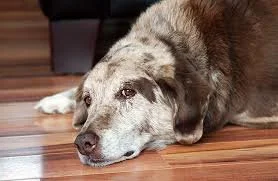
Some of the most important signs to watch for include:
decreased appetite
weight loss
chronic vomiting or diarrhea
trouble getting up
trouble lying down comfortably
increased sleeping with less engagement
difficulty breathing
repeated accidents in the house
poor grooming in cats
confusion or disorientation
hiding
less interest in family interaction
more obvious pain
restlessness at night
Any one of these can matter. A combination of several matters even more.
Appetite Is One of the Biggest Clues
A senior pet who consistently does not want to eat is often telling you something important.
Appetite matters because eating is one of the most basic daily pleasures and survival functions. A pet that is:
skipping meals
only eating treats
walking away from food
eating less and less
losing interest in favorite foods
may be dealing with pain, nausea, chronic disease, dental disease, kidney disease, cancer, or general decline.
A brief off day can happen. A pattern is more concerning.
Why Is My Senior Dog Not Eating?
Why Is My Senior Cat Not Eating?
Mobility and Comfort Matter More Than Owners Sometimes Realize
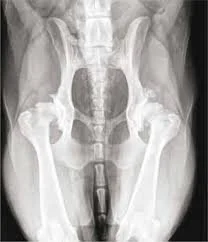
Some pets still want to be part of the family but struggle physically every time they try to move.
Signs of reduced comfort may include:
slower rising
limping
stiffness after rest
trouble with stairs
hesitation to jump
slipping on floors
difficulty getting comfortable
pacing before lying down
Many owners think these are simply age-related changes. Often they are signs of pain, especially arthritis or chronic orthopedic disease.
A pet does not have to cry out to be uncomfortable.
Arthritis in Older Dogs
How to Tell if My Dog Is Slowing Down From Age or Illness
How to Tell if My Cat Is Slowing Down From Age or Illness
Weight Loss Is a Serious Quality-of-Life Sign
Weight loss often reflects more than just body shape. It may signal that a senior pet is:
not eating enough
losing muscle
dealing with chronic disease
living with nausea
experiencing cancer or organ failure
becoming weaker overall
A pet that is getting thinner while also becoming quieter, weaker, or less engaged deserves close attention.
Senior Dog Weight Loss: Common Causes
Senior Cat Weight Loss: Common Causes
Grooming and Cleanliness Matter Too

Cats especially tell us a lot through grooming.
A senior cat that is grooming less, developing mats, or looking rough around the coat may be dealing with:
arthritis
weakness
nausea
chronic illness
cognitive decline
Dogs may also show declining quality of life through poor coat condition, loss of body condition, or difficulty staying clean after urinating or defecating.
Cleanliness matters because it reflects dignity, comfort, and ability to manage normal body functions.
Breathing Comfort Should Never Be Overlooked
A pet that is struggling to breathe, breathing fast at rest, coughing persistently, or appearing distressed while resting is not comfortable.
Breathing problems often affect quality of life dramatically because they interfere with one of the most basic parts of living. These signs should not be written off as simple aging.
Why Is My Dog Panting So Much?
Why Is My Cat Coughing?
Why Is My Cat Breathing Hard?
Behavior Changes Can Reflect More Than “Old Age”
Senior dogs and cats may develop behavioral changes such as:
confusion
staring into space
pacing
wandering
vocalizing more
nighttime restlessness
forgetting routines
getting stuck in corners
hiding
withdrawing from affection
These changes can happen with cognitive dysfunction, pain, anxiety, vision loss, hearing loss, or chronic illness.
Behavior changes matter because they often reflect comfort and brain function, not just age.
Good Days vs. Bad Days
One of the most practical ways to think about quality of life is this:
Are there still more good days than bad days?
A good day does not have to be perfect. But it usually includes some version of:
eating reasonably well
resting comfortably
moving without severe struggle
interacting with the family
enjoying something familiar
If bad days are becoming more frequent, more severe, or harder to recover from, that is important.
Some families find it helpful to track:
appetite
mobility
comfort
accidents
engagement
sleep quality
bad episodes
Patterns are often easier to see when written down.
How Chronic Disease Changes the Conversation
Many senior pets live with chronic disease for a period of time while still having a fair quality of life. Examples include:
arthritis
kidney disease
heart disease
cancer
endocrine disease
cognitive dysfunction
The presence of a diagnosis alone does not automatically mean quality of life is poor. What matters more is:
how the pet feels
how the pet functions
whether comfort can still be maintained
whether supportive care is still helping
For example, a pet with kidney disease may still have a decent quality of life if eating, hydration, comfort, and daily interaction are still present. But if the pet is vomiting frequently, refusing food, losing weight rapidly, and becoming weaker, the picture changes.
How Dr. Hart Evaluates Quality of Life
At Bushnell Animal Clinic, Dr. Roger Hart would not evaluate quality of life based on just one number or one symptom.
Instead, the overall picture matters:
appetite
hydration
mobility
breathing
body condition
grooming
litter box or bathroom habits
pain level
behavior
family observations
response to treatment
This kind of assessment is often one of the most meaningful parts of senior pet care because it helps guide whether:
treatment should continue as is
pain control or supportive care should be adjusted
further testing is needed
or more difficult decisions need to be discussed
When to Seek More Help
You should contact Dr. Hart if your senior pet is showing:
repeated vomiting or diarrhea
more obvious pain
worsening limping or weakness
trouble standing or walking
poor grooming or coat decline
confusion or nighttime distress
weight loss
breathing changes
more bad days than good days
The earlier these changes are recognized, the more opportunity there is to improve comfort.
When Families Start Asking Harder Questions
At some point, some families begin asking questions like:
Is my pet still enjoying life?
Am I keeping my pet comfortable?
Are treatments still helping?
Is my pet having more difficult days than good ones?
Am I doing this for my pet, or am I struggling to let go?
These are loving questions. They are not wrong questions. They are often exactly the questions that need to be asked.
Quality-of-life discussions are not about giving up. They are about protecting comfort and dignity.
Supportive Care Still Matters
Even when a pet is declining, there is often a lot that can still be done to help comfort, such as:
pain-control adjustments
better bedding and home setup
mobility support
hydration support
appetite support
easier access to food, water, and litter boxes
reducing stairs and slippery surfaces
simplifying routines
Sometimes these changes make a meaningful difference. Sometimes they help clarify whether the pet is still able to enjoy daily life.
Quality of Life Is Individual
Every pet is different.
A dog with arthritis may still be happy and engaged if pain is controlled and mobility is supported. A cat with kidney disease may still enjoy meals, grooming, and affection for a meaningful period with proper care. Another pet may decline more quickly.
There is no single chart that gives the answer for every pet. But there are patterns, and there are compassionate ways to assess them.
Conclusion
Quality of life in senior pets is one of the most important things owners can learn to recognize. Aging alone does not mean a pet is suffering, but it also does not mean every change should be dismissed as normal.
If your dog or cat is eating less, losing weight, moving with difficulty, grooming less, hiding more, or having more bad days than good ones, it is time to take a closer look. At Bushnell Animal Clinic, Dr. Roger Hart helps families evaluate comfort, understand what changes matter most, and make thoughtful decisions centered on kindness, honesty, and the well-being of the pet.
FAQs
How do I know if my senior pet still has a good quality of life?
A good quality of life usually means your pet is still eating reasonably well, resting comfortably, moving without severe distress, and enjoying at least parts of daily life.
Is sleeping more a sign of poor quality of life?
Not always. Senior pets often sleep more, but excessive sleeping combined with weakness, pain, poor appetite, or withdrawal can be more concerning.
Does appetite matter in quality-of-life decisions?
Yes. Appetite is one of the biggest indicators of daily comfort and well-being in senior pets.
Can a pet have chronic disease and still have a good quality of life?
Yes. Many pets with chronic disease can still have meaningful comfort and enjoyment if symptoms are well managed.
What are signs that quality of life is worsening?
Signs include persistent appetite loss, weight loss, more pain, poor grooming, weakness, breathing difficulty, confusion, and more bad days than good days.
Should I track good days and bad days?
Yes. Tracking patterns can make it easier to see whether quality of life is staying stable or declining.
When should I talk to my veterinarian about quality of life?
You should talk to your veterinarian whenever your senior pet is showing noticeable decline in appetite, comfort, mobility, behavior, or overall daily function.
Is it wrong to ask hard questions about my pet’s comfort?
No. Asking those questions is often one of the most loving things an owner can do.
