Caring for Your Senior Dog: A Comprehensive Guide

Senior Pet Care in Bushnell, FL: What to Watch For
Introduction
Senior dogs and cats now make up a large portion of the pets we see every day, with the American Animal Hospital Association noting that nearly 44% of pets are in their senior years. As pets live longer, their healthcare needs change in subtle but important ways, reflecting the gradual aging process that affects multiple aspects of health, including mobility, organ function, and behavior as dogs age. At Bushnell Animal Clinic, we often hear owners say, “They’re just slowing down,” when something more is going on. The truth is, small changes can be early warning signs.
Senior pet care in Bushnell, FL is about recognizing those changes early, understanding what they mean, and taking action before minor issues become serious conditions. Contrary to popular belief, dogs do not age at a uniform rate of seven years for every human year; the aging process varies by breed and size. A dog is considered senior at different ages depending on these factors—larger breeds may be considered senior as early as age six, while smaller breeds may not reach senior status until age eight or older. As dogs age, they require extra care, proper nutrition, and ongoing support to address their changing needs and maintain their quality of life. With the right care, many senior pets continue to live comfortable, happy lives for years.
Why Senior Pet Care in Bushnell, FL Matters
As pets age, their bodies become less efficient at handling stress, illness, and environmental changes. In Central Florida, heat and humidity can make conditions like heart disease, respiratory issues, and dehydration more challenging for senior pets.
Many diseases—like kidney disease, arthritis, diabetes, dental infections, and certain diseases that are more common in senior dogs—develop slowly. Without regular monitoring, these health problems may not be noticed until they are advanced. That’s why consistent veterinary care becomes more important, not less, as pets get older.
Routine wellness exams allow us to establish a baseline and track changes over time. Most dogs benefit from these regular check-ups, as what may seem like a minor shift in appetite or behavior could be the first sign of a larger issue. Many age-related health problems in pets begin with subtle changes that are easy to miss at home, making regular veterinary evaluations crucial for early identification of concerns. Pet owners should notice and report any subtle changes in their senior dog's health, behavior, or physical condition, as early detection can make a significant difference.
Regular veterinary examinations can detect problems in older pets before they become serious or life-threatening, leading to a longer, healthier life for your pet.
When Is a Pet Considered Senior?
Small dogs: around 8–10 years
Large dogs: around 6–8 years
Cats: typically 10+ years
Every pet ages differently. While larger breeds tend to age faster, smaller breeds generally age more slowly and are often considered senior later than their larger counterparts. A dog is typically considered senior when they reach about 7 years old, but this can vary—smaller breeds may not be considered senior until 8–10 years, while larger breeds may be considered senior as early as 6 years. As dogs age, they may experience a range of physical changes, including greying fur, reduced mobility, and changes in weight. For most dogs, the aging process is gradual, and changes in behavior or health should always be taken seriously.
Signs Your Senior Dog or Cat Should See the Vet
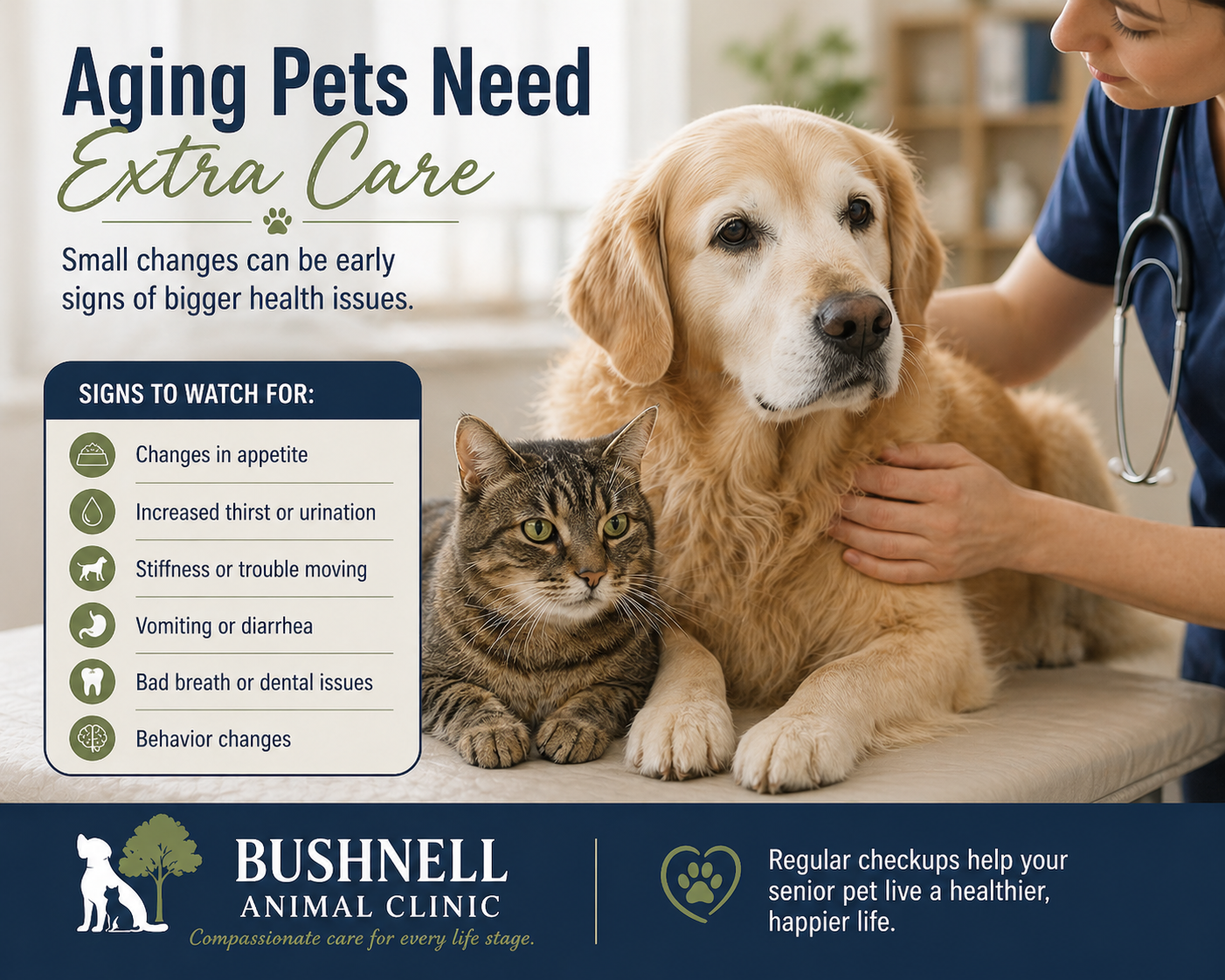
Decreased appetite or weight loss
Increased thirst or urination
Stiffness, limping, difficulty rising, or trouble climbing stairs
Vomiting or diarrhea
Bad breath or chewing problems
Hearing loss
Behavior changes such as confusion, anxiety, increased irritability, reluctance to engage in activities, or signs of cognitive decline
It’s important to notice any weight changes in your senior dog, including both weight gain and weight loss. Weight gain can increase the risk of arthritis, diabetes, and heart disease, while weight loss may indicate underlying health issues. Monitoring your pet’s weight is crucial for maintaining their health and quality of life.
Be alert for sudden changes in your pet’s behavior or health, as these may signal underlying problems that require prompt veterinary attention. The first signs of aging in senior dogs often include subtle behavioral and cognitive changes, such as irritability, reduced activity, confusion, and restlessness.
Canine cognitive dysfunction (CCD) a condition that manifests as confusion, disorientation, or changes in sleep patterns, is similar to dementia in humans.
Red Flags That Need Immediate Attention

Collapse or extreme weakness
Difficulty breathing
Persistent vomiting
Swollen or painful abdomen
Sudden inability to stand
Senior pets can decline quickly, so urgent symptoms should never be delayed.
What Happens During a Senior Pet Exam
Full nose-to-tail physical exam
Weight and muscle condition assessment
Dental and oral health evaluation
Joint and mobility check
Skin and lump evaluation
Discussion of lifestyle and behavior
A senior pet exam is more detailed than a routine checkup. We focus on connecting what you see at home with what we find medically.
For example, a dog that hesitates to jump into the car may be experiencing joint pain. A cat avoiding the litter box may have arthritis or urinary issues. These connections help guide diagnosis and treatment.
How to Prepare for the Visit
Bring notes about:
Eating habits
Water intake
Bathroom changes
Mobility or stiffness
Behavior changes
Even small observations can make a big difference in diagnosing early problems.
Why Bloodwork Matters for Older Pets
Detects kidney and liver disease early
Identifies diabetes and thyroid disorders
Helps monitor chronic conditions
Establishes baseline health values
Improves safety for procedures
Bloodwork is one of the most valuable tools in senior pet care. Many internal diseases develop long before visible symptoms appear. Routine testing allows us to catch these issues early, when treatment is more effective.
For example, kidney disease in cats often progresses silently. By the time symptoms appear, the disease may already be advanced. Early detection through bloodwork can significantly improve quality of life and treatment outcomes.
Bloodwork is also essential before procedures like dental cleanings or surgery, ensuring your pet can safely undergo treatment.
Common Senior Pet Problems We Watch For

Arthritis and joint pain
Dental disease and oral infections
Kidney disease
Diabetes
Thyroid disease in cats
Heart disease and respiratory issues
Arthritis is one of the most common conditions in older pets. Dogs may show stiffness or reluctance to exercise, while cats often hide pain by becoming less active or avoiding jumping.
Dental disease is another major concern. Chronic infection in the mouth can lead to pain, difficulty eating, and even systemic health issues.
Internal diseases such as kidney disease and diabetes require early detection and ongoing management. With proper care, many of these conditions can be controlled effectively.
How to Help Your Senior Pet at Home

Provide soft, supportive bedding
Use rugs to prevent slipping
Keep food and water easily accessible
Maintain a consistent feeding schedule
Monitor weight monthly
Schedule regular veterinary visits
Simple adjustments can significantly improve your pet’s comfort and quality of life. For example, adding rugs can help dogs with arthritis maintain traction, while low-sided litter boxes can make life easier for senior cats.
Diet also plays a key role. Senior pets may need adjustments based on weight, kidney function, or other health concerns.
Avoid Common Mistakes
Giving human pain medication
Ignoring gradual weight loss
Delaying vet visits for “mild” symptoms
Assuming behavior changes are normal aging
These mistakes can delay diagnosis and make conditions harder to treat.
Senior Pet Care and Quality of Life
Focus on comfort and mobility
Manage chronic conditions proactively
Monitor daily habits closely
Adjust care as needs change
Quality of life is a central part of senior pet care. The goal is not just to extend life, but to maintain comfort and well-being.
Regular checkups allow us to adjust care plans as your pet’s needs change. Pain management, diet, and lifestyle adjustments all play a role in keeping senior pets happy and comfortable.
Conclusion
Senior pet care in Bushnell, FL is essential for helping older dogs and cats stay healthy, comfortable, and closely monitored as they age. Small changes in behavior, appetite, or mobility can signal important health issues, and early detection makes a significant difference.
If your senior pet is showing signs of slowing down, losing weight, eating less, or acting differently, it’s time to schedule an exam. Call Bushnell Animal Clinic today to ensure your pet receives the care they deserve in their senior years.
FAQ
How often should senior pets see the vet?
Most senior pets should be examined every 6 months to monitor for changes and manage chronic conditions.
Is it normal for older pets to sleep more?
Some increase in sleep is normal, but excessive sleeping combined with other changes may indicate underlying health issues.
Why is my senior dog drinking more water?
Increased thirst can be a sign of kidney disease, diabetes, or hormonal disorders and should be evaluated.
Do senior pets need different food?
Some do, depending on health conditions. Diet should be tailored to your pet’s specific needs.
Can senior pets still live active lives?
Yes, with proper care, many senior pets remain active and comfortable for years.
