When Should I Take My Dog to the Vet?
Knowing when your dog needs veterinary care—and understanding the answer to the question, "when should I take my dog to the vet?"—is essential for every responsible pet owner. This comprehensive guide is designed for dog owners in Bushnell, FL and beyond, covering how to recognize signs of illness, the importance of routine veterinary visits, preventive care strategies, and what to do in emergencies. By understanding when to seek veterinary attention, you can help ensure your pet’s health, catch problems early, and provide the best possible care throughout their life.
Recognizing When Your Dog Needs Veterinary Care
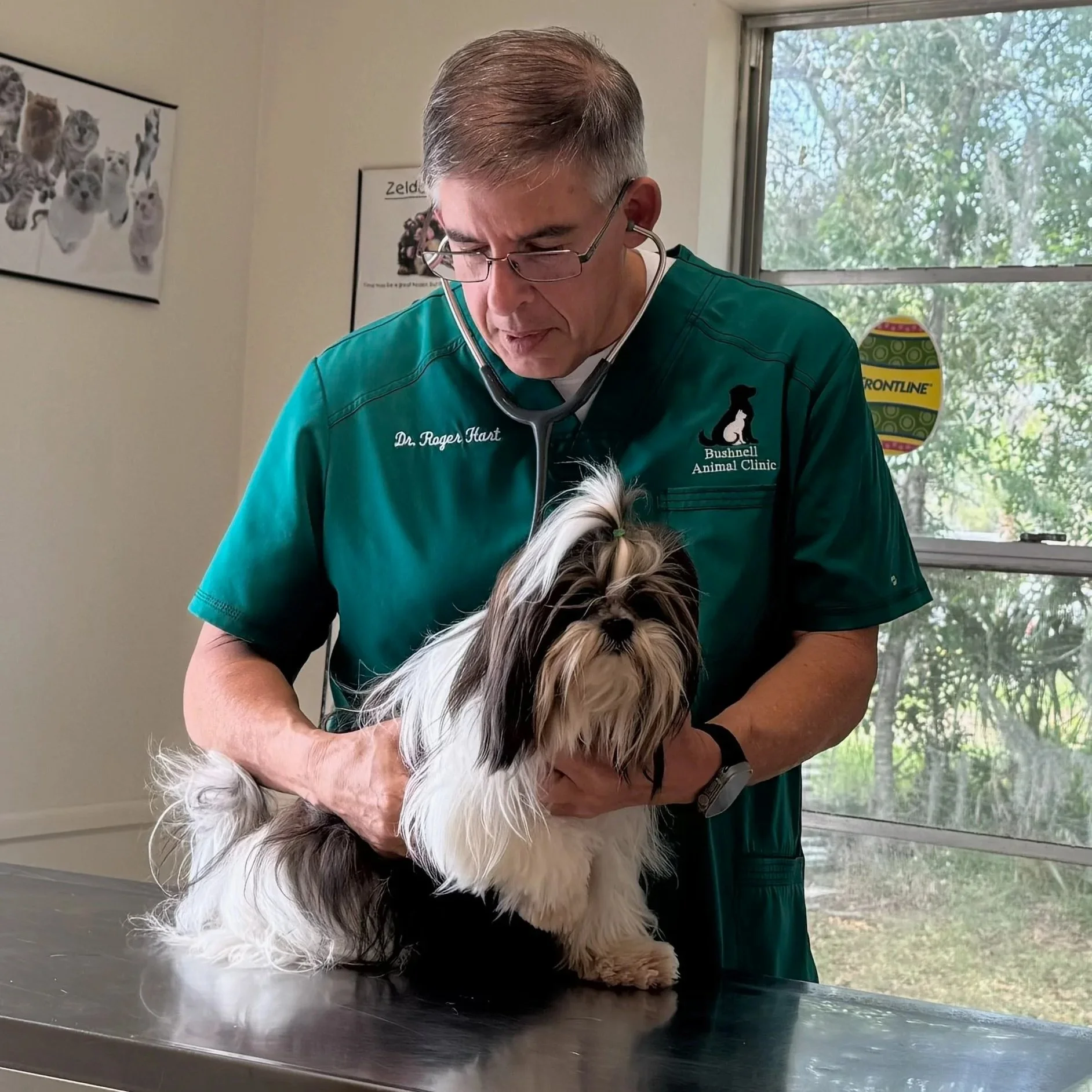
As a pet owner, it’s not always easy to know when your dog needs veterinary care. Many issues can start small and quickly become more serious if left untreated. Regular vet visits are especially important for a new puppy to keep the puppy healthy, ensure timely vaccinations, and establish a preventive care routine.
At Bushnell Animal Clinic, we often help pet owners determine when it’s the right time to bring their dog in for evaluation with Dr. Roger Hart, DVM. Small dogs may require special attention due to breed-specific health risks, such as arthritis or back problems, and benefit from prompt examination and tailored care.
During routine checkups, your veterinarian will also consider your dog's lifestyle and nutritional requirements to provide the best recommendations for their ongoing health.
🚨 Signs Your Dog Should See a Vet
Recognizing symptoms early can make a significant difference in your dog’s health outcome. Below are two lists to help you determine when to seek veterinary care.
Urgent/Emergency Symptoms

If your dog experiences any of the following, seek immediate veterinary attention:
Straining to urinate with no success (urinary blockage): Urinary blockage is a medical emergency.
Sudden, swollen, hard abdomen with unsuccessful attempts to vomit (bloat): Bloat is a life-threatening condition.
Seizures (episodes of uncontrolled muscle activity): Emergencies include the first seizure, multiple seizures in 24 hours, or a seizure lasting more than five minutes.
Difficulty breathing (labored breathing, gasping for air, or blue/pale gums): Always a medical emergency.
Collapse or sudden weakness.
Continuous vomiting, especially if severe or with blood.
Severe trauma (such as being hit by a vehicle, animal attacks, or significant falls): Severe trauma requires immediate care.
Broken bones or obvious severe injury.
Non-Urgent Symptoms
Schedule a veterinary visit soon if your dog shows any of these signs:
Loss of appetite for more than 24 hours.
Vomiting or diarrhea.
Lethargy or unusual tiredness.
Limping or difficulty walking.
Difficulty defecating.
Unexplained weight loss.
Behavioral shifts such as sudden aggression or unusual clinginess.
Appetite changes, like refusal to eat or sudden excessive thirst.
Coughing or trouble breathing (not severe).
Sudden changes in behavior.
Skin irritation, itching, or hair loss.
Many dogs experience these issues, and other symptoms may accompany them. Even mild symptoms can indicate underlying issues, so it’s best not to wait too long.
⏰ How Quickly Should You Act?
Some symptoms require immediate attention.
In emergencies—such as difficulty breathing, collapse or weakness, continuous vomiting, or severe pain—you should seek care from an emergency vet to ensure your dog receives prompt, specialized treatment.
For less urgent concerns, monitor your dog closely and contact your veterinarian if symptoms last longer than 24 hours. Dogs with underlying health conditions benefit from more frequent examinations and prompt veterinary attention.
🐾 The Importance of Routine Veterinary Care
Routine veterinary care is a cornerstone of your dog’s long-term health. Not all visits are due to illness; preventative care is just as important.
Benefits of Routine Exams
Regular veterinary visits help:
Detect health problems early
Keep vaccinations up to date
Maintain parasite prevention
Support long-term health
What to Expect During a Checkup
Routine checkups allow veterinarians to perform a thorough health check, including inspecting your dog's ears, mouth, teeth, legs, and paws, monitor your dog's diet, check for tooth decay, and address behavioral issues. These visits help detect early signs of disease and provide an opportunity for preventive care. Annual wellness exams are typically recommended for healthy adult dogs, while puppies and senior dogs may require more frequent examinations to ensure their well-being.
Preventive care and early detection can significantly enhance your dog's lifespan and overall health, and help avoid expensive treatments for serious conditions in the future.
In addition to routine care, monitoring your dog's daily health is crucial for early detection of problems.
🐶 Preventing Common Health Issues
Preventing health problems is always better than treating them. The frequency of veterinary visits depends on your dog’s age:
Puppies (Under 12 Months)
Frequent veterinary visits—typically once a month—are recommended to stay on schedule with vaccinations, monitor growth, and ensure proper development.
Adult Pets (1–7 Years)
Healthy adult dogs and cats should visit the veterinarian once a year for a comprehensive wellness exam, preventative care, and early detection of potential health issues.
Senior Pets (Over 7 Years)
Older pets benefit from veterinary checkups every six months to monitor age-related changes, manage chronic conditions, and maintain overall quality of life.
Many common problems can be avoided with proper care.
Helpful steps include:
Feeding a balanced diet
Keeping up with young dog's vaccinations to protect against common infectious diseases like distemper, hepatitis, parvo, rabies, and leptospirosis
Using appropriate flea and heartworm prevention for parasite protection
Scheduling regular checkups, including annual wellness exams for healthy adult dogs aged 1 to 7 years, and more frequent visits (every six months) for senior dogs (typically 8 years or older) and certain breeds such as Saint Bernards, who may require earlier screenings starting around age 5
Monitoring your dog's urine for changes in color, frequency, or odor, and watching your dog's eyes for redness, discharge, swelling, or cloudiness as early signs of health issues
Puppies require several rounds of vaccinations during their first year, typically administered over 16 weeks, to protect against diseases such as distemper, hepatitis, parainfluenza, parvo, corona, rabies, and leptospirosis.
Regular health checks are important for every animal companion, and care should be tailored for senior dogs and other breeds as they age to ensure early detection and management of health concerns.
These simple actions can significantly improve your dog’s health and quality of life.
Despite your best efforts, some health issues can still arise. Here's how to monitor your dog's health for early signs of problems.
🕵️♂️ Monitoring Health Changes in Your Dog
Daily Health Monitoring
Keeping a close eye on your dog’s daily habits is one of the best ways to ensure a healthy life for your four-legged friend. Regular checkups with your vet are typically recommended for healthy adult dogs, but some pets—especially senior dogs, giant breeds like Saint Bernards, or those with underlying health conditions—may benefit from more frequent preventive care and examinations.
Pay attention to changes in your dog’s eating habits, water intake, urination, and defecation. Signs like excessive thirst, difficulty walking, or joint pain can be early indicators of health issues such as kidney disease or age-related problems.
When to Contact Your Vet
If you notice any of these symptoms, it’s important to contact your vet immediately for an accurate diagnosis.
A preventive approach, including annual wellness exams and appropriate parasite protection, helps catch serious diseases before they become advanced or require expensive treatments. Intestinal parasites, for example, can cause significant health problems if not addressed promptly. Your vet may recommend blood tests or other diagnostic tests to screen for underlying health conditions, especially in senior patients or giant breeds who are more prone to age-related issues.
Geriatric care for older dogs often involves a proactive approach to managing chronic conditions and maintaining comfort. Discussing your dog’s lifestyle, diet, and any behavioral changes with your vet clinic can help tailor a care plan that keeps your pet comfortable and healthy.
Responsible pet ownership also means preventing unwanted puppies and undesirable behaviors—spaying or neutering your dog is an important step in this process.
By staying alert to changes and working closely with your veterinary team, you can help your dog stay healthy, happy, and active for years to come. If you’re ever unsure about your pet’s condition, don’t hesitate to reach out to your vet for advice that constitutes medical guidance tailored to your animal companion’s needs.
In some cases, even with diligent monitoring and preventive care, urgent or emergency symptoms may develop. Knowing how to recognize these signs and when to seek immediate veterinary attention is critical.
📍 Veterinary Care in Bushnell, FL
If you’re located in Bushnell or nearby areas, Bushnell Animal Clinic provides personalized veterinary care for dogs and cats. Our experienced veterinary team can assess your pet's condition and provide recommendations tailored to your dog's specific needs.
Our goal is to help you make informed decisions and keep your pet healthy.
The advice provided here is for informational purposes only and does not constitute medical advice; always consult your veterinarian for official diagnoses and treatment.
📞 When in Doubt, Call
If you’re unsure whether your dog needs to be seen, it’s always okay to ask.
📞 352-793-7222
We’re happy to help guide you.
