Dog’s Paw Is Swollen: What Bushnell Pet Owners Should Do Right Now
Introduction
A swollen paw is one of the most common reasons dogs visit veterinarians in Central Florida. Between the 2024 summer heat, fire ant mounds in every yard, and sandspurs lurking in pastures around Sumter County, your dog’s paws face constant threats. While many cases are minor, some require immediate veterinary attention.
This guide is for Bushnell-area dog owners who notice their dog’s paw is swollen and want to know what to do immediately, when to seek veterinary care, and how to prevent future problems.
First Steps If Your Dog’s Paw Is Swollen
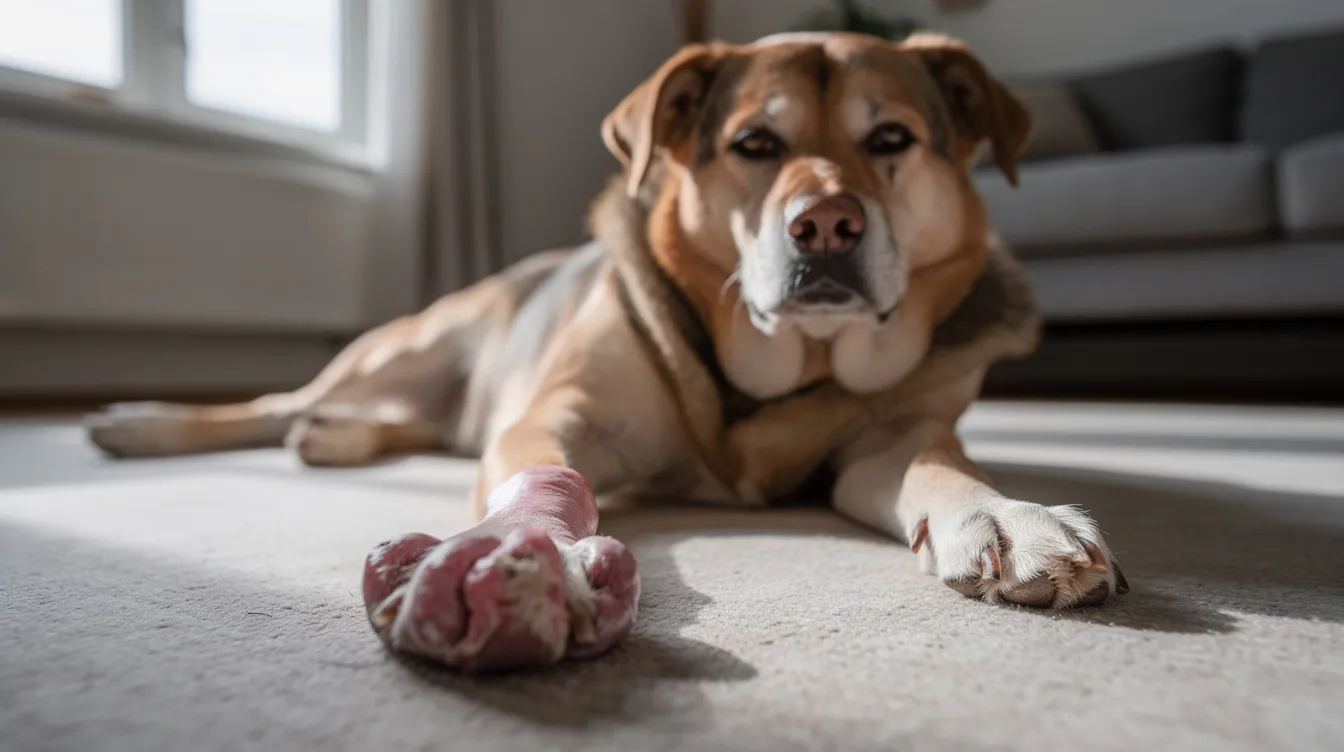
A swollen paw means the paw appears larger or puffier than normal, often due to injuries, foreign objects, insect bites, allergic reactions, infections, or joint inflammation.
What to do in the first 10-15 minutes:
Safely restrain your dog with a leash or helper—painful dogs bite in 20-30% of home exams
Check all four paws, not just the obvious one
Look between the toes and inspect paw pads for cuts, thorns, or swelling
Note if your dog limping or refusing to bear weight
Compare the affected paw to the opposite side to gauge severity
When to try home care: Minor swelling with no open wounds, and your dog is eating and acting normally.
Call Bushnell Animal Clinic or an emergency vet immediately if you notice:
Severe dog limping or complete refusal to walk
Paw suddenly ballooned to double its size
Difficulty breathing, facial swelling, or hives (possible allergic reaction)
Pale or blue gums
Large bleeding cut or obvious broken toe
If the swelling extends beyond the paw to the leg or affects multiple paws, it could indicate a systemic issue like an allergic reaction or a more serious condition, necessitating immediate veterinary care
Bushnell Animal Clinic typically sees urgent swollen paw cases same-day during business hours. Call ahead so we can prepare for your arrival.
Common Reasons Your Dog’s Paws Are Swollen
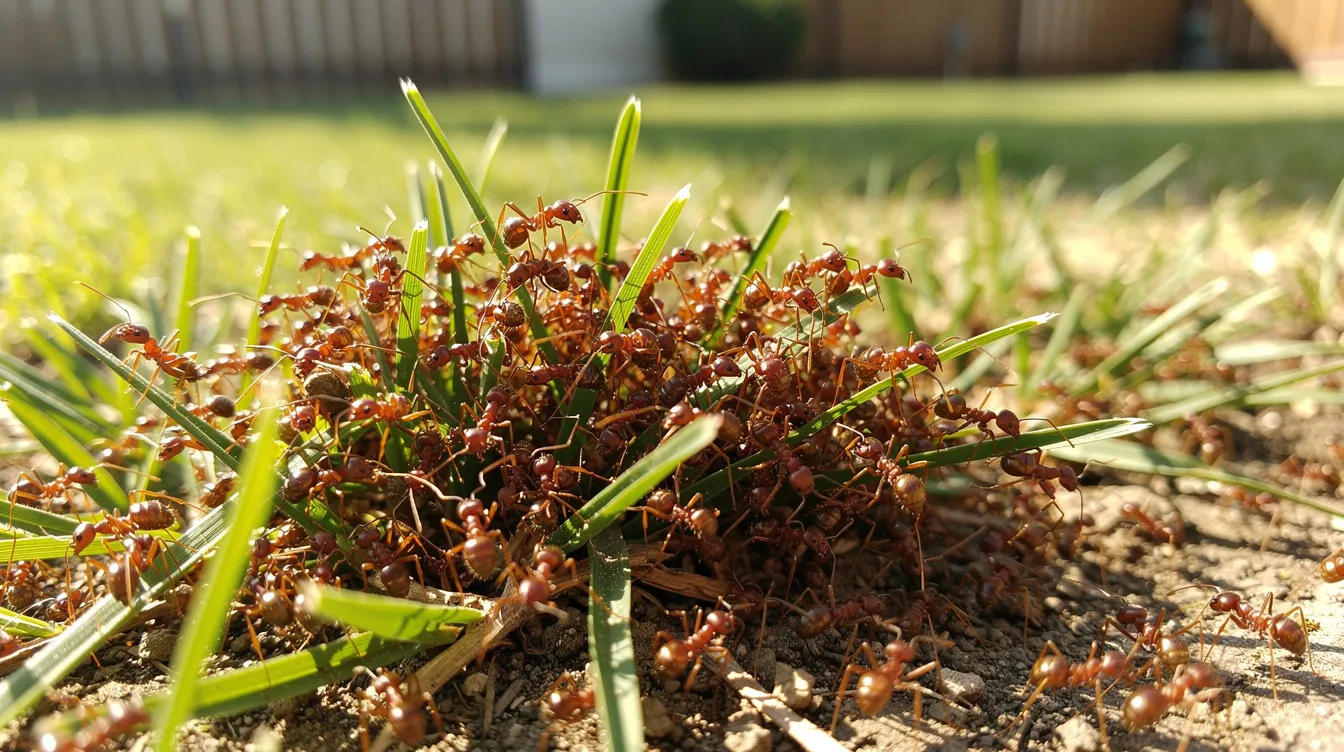
A swollen dog paw can result from injuries, foreign objects stuck between toes, insect bites or stings, allergic reactions, bacterial or fungal infections, or joint inflammation. In Sumter County, local hazards like fire ants, hot pavement, and field debris make these issues especially common.
Main cause categories:
Injuries and trauma
Foreign objects and irritants
Insect bites and stings
Allergic reactions and contact dermatitis
Bacterial, yeast, or fungal infections
Autoimmune diseases
Joint problems and tumors
Multiple paws swollen at once often suggests systemic problems like allergies or autoimmune disease. One paw swollen typically points to injury, infection, or foreign body. Determining the specific cause usually requires a hands-on veterinary exam, especially if swelling lasting longer than 24 hours in a dog’s paw may indicate a serious issue requiring veterinary attention.
Injuries and Trauma
Environmental burns from hot surfaces or ice-melt chemicals can damage sensitive dog paw pads. During 2024’s record-high temperatures, pavement in Central Florida exceeded 140°F—hot enough to cause second-degree burns within minutes. Shell rock driveways, barbed wire on farms, and rough terrain cause sprains, broken toes, torn nails, and pad cuts.
Typical signs:
Sudden lameness or yelping when touched
Visible cut, torn toenail, or bleeding
Reluctance to walk or jump
Paw pad injuries, such as cuts, bruises, or burns, can lead to swelling and discomfort, often requiring veterinary attention for proper treatment. Some fractures aren’t visible and need X-rays. Never give human pain medications like ibuprofen—they cause serious harm in 75% of dogs.
Foreign Objects and Irritants
Foreign objects such as thorns, splinters, glass, or burrs can get trapped between toe pads or embedded in the skin. Sandspurs and grass awns cause abscesses in up to 10% of outdoor dogs annually around Bushnell’s pastures and cattle fields.
Watch for:
Constant licking of one spot or paws excessively
Chewing between specific toes
Flinching when that area is pressed
Don’t dig deeply with tweezers at home. If the trapped object isn’t easily visible, visit Bushnell Animal Clinic for safe removal.
Insect Bites and Stings
Insect bites and stings from fleas, ticks, bees, or wasps can cause significant swelling and irritation in a dog’s paws. Fire ants deliver venom that triggers rapid swelling in 70-80% of bitten dogs, with severe anaphylaxis in 1-5% of cases.
Local risk situations:
Stepping in fire ant mounds near Bushnell parks
Chasing bees in yards
Walking through tall grass by cattle fields
Most stings insect bites cause localized swelling, but watch for serious allergic reaction signs: facial swelling, hives, vomiting, or trouble breathing. Treat mild swelling with a cold compress, but seek emergency vet care immediately if breathing changes.
Allergic Reactions and Contact Dermatitis
Allergies are a common cause of swollen paws in dogs, triggered by environmental factors like pollen, dust mites, or certain foods, leading to inflammation in the paw pads. Environmental triggers such as pollen or grass can cause allergies leading to paw swelling in dogs—Bermuda grass causes 60% of regional cases.
Common patterns:
All four dog’s paws swollen after walking on freshly treated lawns
Chronic licking, hair staining, and ear problems
Reactions to lawn treatments or carpet cleaners
Food allergies involving beef or wheat affect about 30% of allergic dogs. Bushnell Animal Clinic can help identify triggers through diet trials, allergy testing, and safe medications.
Infections (Bacterial, Yeast, or Fungal)
Bacterial or fungal infections can cause swollen paws in dogs, with symptoms including redness, warmth, and discharge from the affected area. If your dog’s paw is red and warm to the touch, it may indicate an infection or inflammation that requires veterinary attention.
Typical signs:
Moist, inflamed skin between dog’s toes
Brown or rust-colored staining
Foul odor (often described as “corn chips”)
If you notice any discharge or foul smell from the swollen paw, it’s essential to seek veterinary care immediately. Florida’s 80-90% humidity doubles infection recurrence rates. Yeast infections and infections bacterial in nature need prescription treatment—not home remedies alone.
Autoimmune Diseases and Other Medical Conditions
Chronic issues like arthritis or autoimmune diseases can also cause inflammation in a dog’s paw. Autoimmune disorders, such as lupus or pemphigus, can lead to inflammation and swelling of the paw pads, requiring specialized veterinary care.
These conditions typically affect older dogs and may involve other signs like hair loss, lethargy, or weight changes. Consult your veterinarian if your dog shows other symptoms like fever, lethargy, or loss of appetite along with a swollen paw. Diagnosis requires bloodwork and possibly biopsies.
Joint Problems and Tumors
Arthritis and joint sprains can make a dog limping with swelling just above the dog’s foot, particularly in older dogs of large breeds, and may be part of broader bone and joint problems in dogs. Tumors between toes or on paw pads can make one paw look enlarged or ulcerated, while benign fatty masses called canine lipomas in dogs can also change how a limb looks or moves.
Seek early veterinary evaluation for any firm lump, non-healing sore, or dog’s swollen paw lasting more than two weeks. A thorough examination at Bushnell Animal Clinic gives more treatment options—not all masses are cancer.
Examining and Assessing Your Dog’s Swollen Paw
How to Examine Your Dog’s Swollen Paw at Home
Use gentle handling with a leash or helper. Consider a muzzle or towel wrap if your dog is painful.
Step-by-step inspection:
Examine the top of the paw, underside of pads, between each toe, and around the dog’s nails trimmed areas
Compare to the opposite paw to assess swelling severity
Look for redness, heat, visible cuts, thorns, broken nails, or discharge
Have your dog take slow steps to check lameness severity
Gently rinse with warm water to see the affected area clearly
Visible Swelling, Redness, and Heat
Mild swelling shows slightly puffy toes. Excessive swelling makes the paw look ballooned compared to the other side. Warmth and deep redness suggest active inflammation. Avoid pressing hard on very swollen areas—note which paw and toes look worst for your vet.
Limping, Lameness, and Behavior Changes
Limping or avoiding putting weight on the swollen paw is a clear sign that something is wrong and should prompt a visit to the vet.
Pain signals include:
Refusing stairs or holding the paw up
Lagging on walks around Bushnell neighborhoods
Whining when touched
Sudden severe limping often points to trauma or a more serious injury, while intermittent lameness might suggest arthritis. Film a short video before your clinic visit.
Licking, Chewing, and Odor
Excessive licking and chewing usually means ongoing irritation, allergy, or infection and can quickly lead to painful hot spots in dogs. A sour smell often indicates yeast overgrowth. Use a cone to limit damage before your vet visit, but stopping the licking alone won’t fix deeper health concerns.
Safe Home Care for Mild Dog Paw Swelling
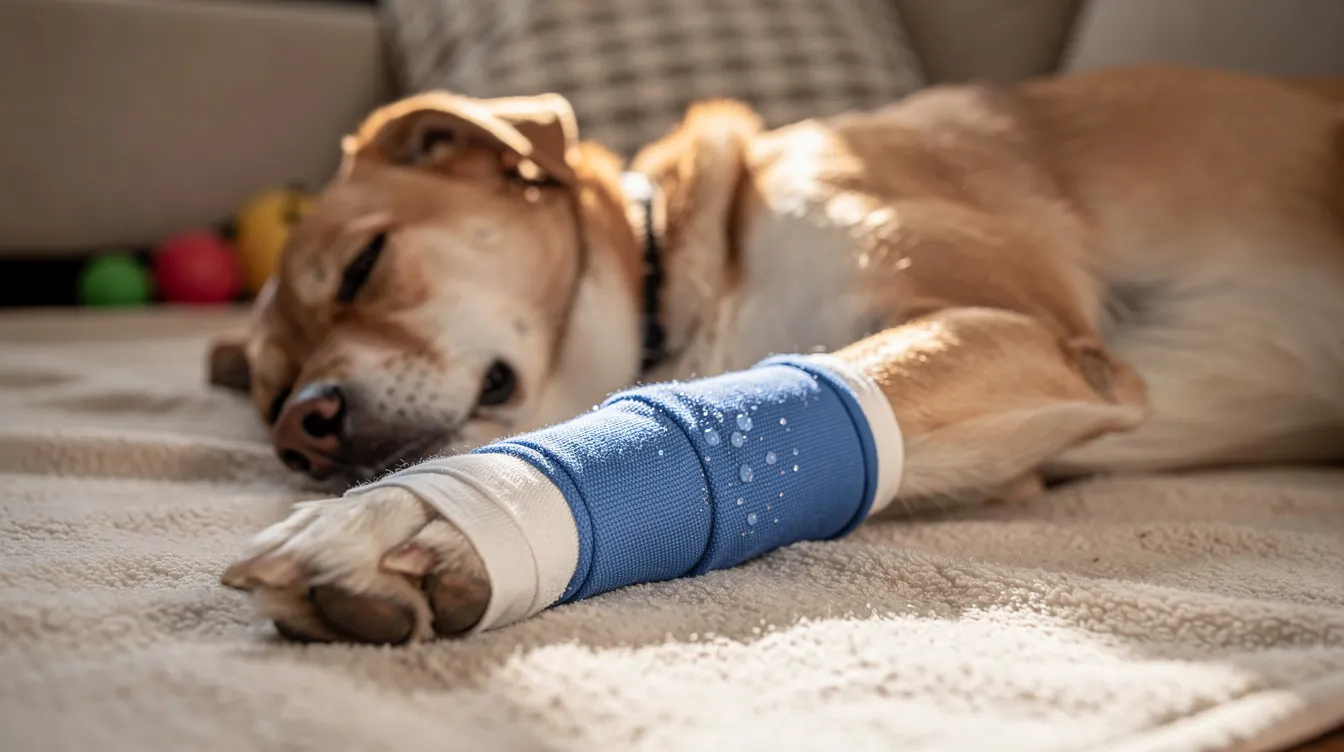
This section applies only to mild cases: dog comfortable, minimal swelling, no obvious wounds or systemic signs. Any worsening means calling Bushnell Animal Clinic. This is general advice—not a substitute for a physical exam.
Cleaning and Basic First Aid
A dog owner should inspect and clean the swollen paw while looking for visible injuries or foreign objects. Cleaning your dog’s paws with warm water and a light dog-friendly soap can help remove dirt and potential irritants that may contribute to swelling.
Remove small, superficial debris with clean tweezers—stop if the dog resists
Apply a clean, non-stick bandage for minor injuries to keep the area protected
Never use hydrogen peroxide or alcohol on deep wounds
Keep paws clean and dry
Using a Cold Compress
To reduce swelling and provide relief, apply a cold compress to the swollen paws for a few minutes at a time, allowing breaks in between to avoid overchilling the paws. Use a wrapped ice pack or frozen peas in a thin towel for 10-15 minutes, several times daily.
This can reduce inflammation from minor sprains, stings, or overuse. Never apply ice directly to skin. Call the clinic if swelling doesn’t improve within 24 hours.
Rest and Activity Restriction
Limiting your dog’s physical activity and avoiding walks or playtime on hard surfaces until the swelling subsides can help prevent further irritation and potential worsening of the condition. Soaking a swollen dog paw in Epsom salt water can help reduce inflammation for minor irritations.
Short, leash-only potty breaks on soft grass
Crate rest for high-energy dogs
Avoid hot pavement, rough limestone, or deep sand
Gradually return to normal activity once healing process completes
When Your Dog’s Swollen Paw Needs a Veterinarian
Waiting too long can turn a simple thorn into a serious infection. If your dog’s paw remains swollen for more than a day or two, or if they seem to be in a lot of pain, it’s time to contact your vet. Seeking veterinary treatment early is often less expensive than waiting until severe.
Urgent and Emergency Signs
Emergency (go now):
Trouble breathing, pale gums, collapse, seizures
Repeated vomiting with swelling
Urgent (same-day):
Sudden severe lameness or paw visibly deformed
Large open wounds or heavy bleeding
Paws swollen doubling in size within hours
Concerning ongoing signs:
Swelling persisting beyond 24-48 hours
Spreading redness up the dog’s leg
Foul-smelling discharge
Call ahead so we can prepare. After hours, we may refer to the nearest 24-hour emergency facility or other options for urgent pet care in Bushnell.
How Bushnell Animal Clinic Diagnoses a Swollen Paw
Expect a full physical exam with careful paw inspection. We’ll ask about recent activities—lakes, trails, farms, lawn treatments, or dog parks.
Common diagnostic tools:
X-rays for fractures or joint issues
Cytology swabs of discharge
Skin scrapings
Bloodwork for autoimmune diseases
Sedation may be recommended for anxious dogs so we can provide proper diagnosis safely. A treatment plan might include pain relief, antibiotics, antifungals, bandaging, or surgery for serious cases.
How Long Does a Dog’s Swollen Paw Take to Heal?
Healing time depends on the cause, dog’s age, and treatment timing:
Minor stings/irritations: 24-72 hours
Uncomplicated cuts/sprains: 7-10 days
Infections: 10-21 days
Autoimmune conditions: Weeks to ongoing
Strict rest and following medication instructions are key. Bushnell Animal Clinic may schedule rechecks in 3-7 days to monitor progress and provide further advice.
Factors That Slow Healing
Constant licking or chewing (use a cone)
Dirty or wet environments
Uncontrolled diabetes or endocrine disease
Skipping medication doses
Florida’s summer humidity and sandy soil keep paws damp, promoting secondary infections. Contact us if swelling worsens or new sores appear—all the difference comes from early follow-up.
Preventing Your Dog’s Paws From Swelling
Regular paw care is part of preventive veterinary care at Bushnell Animal Clinic. Build a quick weekly check into your grooming routine, especially for active dogs and hunting companions. Protective measures prevent discomfort and avoid emergency visits.
Daily and Weekly Paw Care
Rinse or wipe paws after walks, then dry between toes
Keep dog’s nails trimmed to prevent broken nails and altered gait
Trim excess hair between toes on long-haired breeds
Watch for early signs of irritation so you can identify the best course of action
Environmental and Seasonal Precautions
Central Florida hazards include hot asphalt, fire ants, sandspurs, and rough terrain around Bushnell, Dade City, and nearby communities.
Protective measures:
Walk during cooler morning or evening hours
Test pavement with your hand before letting your dog walk on it
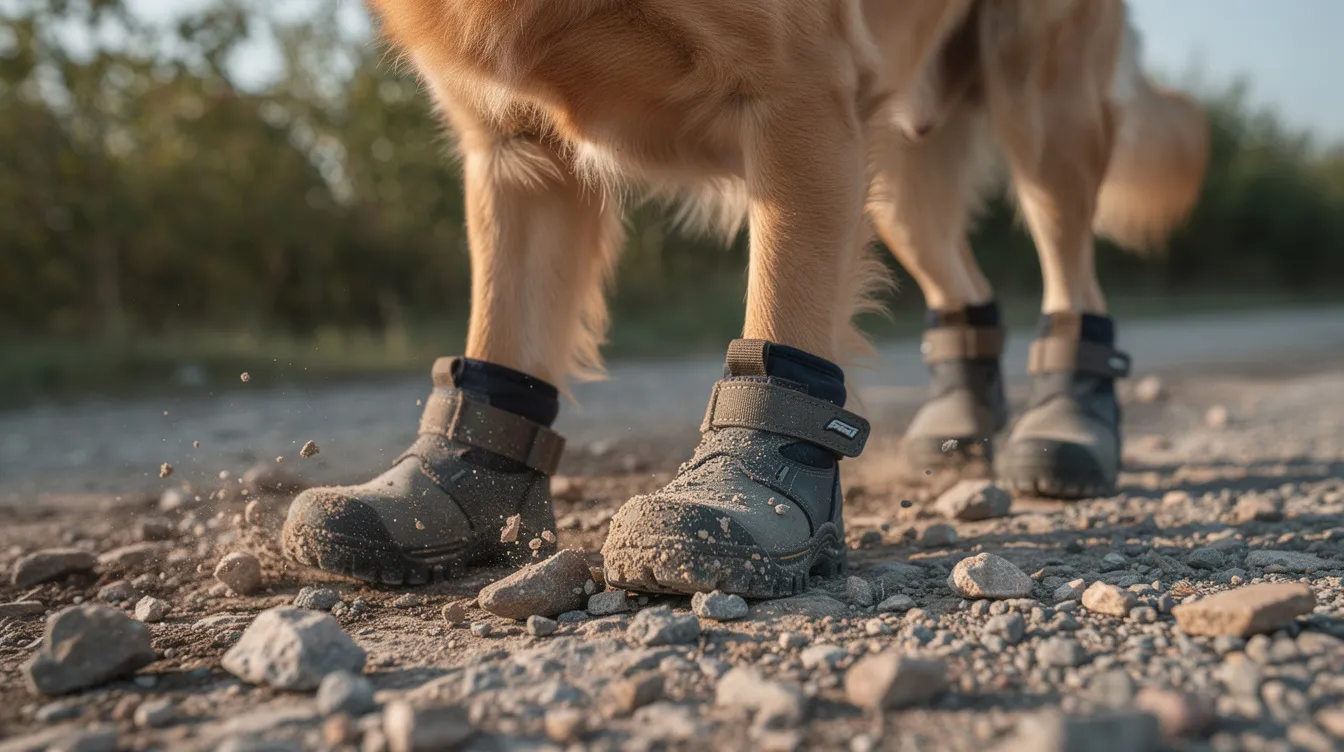
Use protective booties or paw balms for dogs on rough ground
Wipe paws after exposure to lawn chemicals and choose pet-safe products
Veterinary Preventive Care
Regular wellness exams at Bushnell Animal Clinic include checking paw dogs for early signs of arthritis, infections, or growths and are part of a broader complete pet care guide for dogs and cats. Keeping vaccinations, parasite prevention, and overall pet’s health current supports immune system function and skin health.
We provide personalized advice for working dogs, farm dogs, and those with chronic allergies or autoimmune disorder concerns, including guidance on conditions like mammary tumors in dogs. Whether you’re dealing with minor injuries or complex dog’s health issues, early intervention makes all the difference.
Ready to protect your dog’s paws? Schedule a preventive visit at Bushnell Animal Clinic to discuss long-term paw health and comfort. Call us today—we’re here to help Bushnell pet owners keep their dogs happy, healthy, and on their feet.
