
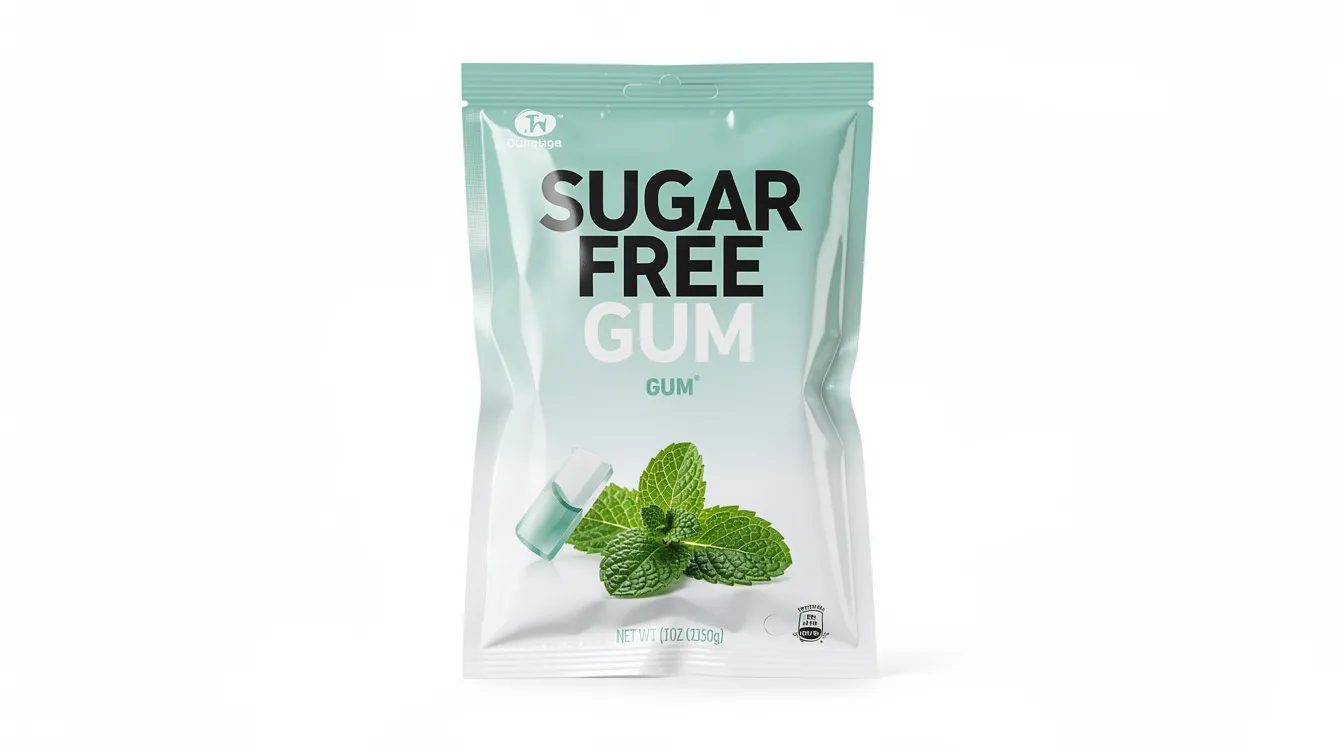
If your dog ate xylitol gum, you are dealing with a veterinary emergency. Every minute counts. This guide walks you through exactly what to do right now if your dog ate xylitol gum, what happens at the vet, and how to prevent this from ever happening again.
My Dog Just Ate Xylitol Gum – What Do I Do Right Now?
Xylitol poisoning is a life threatening emergency. Acting quickly after xylitol ingestion offers the best prognosis for dogs. Do not wait for symptoms to appear.
If you suspect your dog ate xylitol gum, it is critical to recognize the urgency of the situation. Time is of the essence when a dog ate xylitol gum, and immediate action can save your pet’s life.
Call one of these numbers immediately:
Resource | Phone Number |
|---|---|
Bushnell Animal Clinic (business hours) | Call during office hours |
ASPCA Animal Poison Control Center | 888-426-4435 |
Pet Poison Helpline | 855-764-7661 |
Nearest 24/7 emergency vet (after hours) | Search your area |
While you’re on the phone, do this: |
- Collect the chewing gum packaging or take a photo of the label
- Count how many pieces are missing
- Note your dog’s body weight and the approximate time of ingestion
- Do NOT give food, insulin, or any human medications unless a veterinarian tells you to
If poison control or your vet instructs you to induce vomiting, do so only if the ingestion was very recent, your dog is alert, and no clinical signs like tremors or staggering are present. Never induce vomiting on your own without professional guidance. Xylitol poisoning from chewing gum containing xylitol can escalate fast, and home remedies waste precious time.

What Is Xylitol and Why Is It in Chewing Gum?
Xylitol is a sugar alcohol used as a sugar substitute in hundreds of human food products and dental products. Manufacturers use it because it delivers a sweet taste with fewer calories than regular sugar and has a low glycemic index, meaning minimal blood sugar spikes for people. It is also approved as a food additive by the FDA.
When your dog ate xylitol gum, you may notice signs of distress or illness. It’s essential to act quickly by contacting a veterinarian as soon as possible if your dog ate xylitol gum.
Xylitol is commonly found in sugar free chewing gum, sugar free candy, mints, baked goods like cakes and muffins, and even some nut butters. Beyond foods, it appears in oral hygiene products such as toothpaste, mouthwash, and dental care items marketed to prevent tooth decay and reduce dental cavities. Labels may list it as birch sugar or wood sugar, since it was historically extracted from birch trees. Some labels only say “sugar-free” or list “sugar alcohols” without naming xylitol specifically.
For humans, xylitol has real health benefits: it reduces oral bacteria growth, supports lower sugar intake, and is useful for people with diabetes monitoring their calories. But what helps people can devastate dogs.
What Should You Do If Your Dog Ate Xylitol Gum?
The difference comes down to how xylitol work in the body. Xylitol has negligible effects on human blood sugar levels. Humans metabolize it slowly without triggering a significant insulin response.
Dogs are a completely different story. Xylitol is extremely toxic to dogs. When a dog eats xylitol, it is rapidly absorbed into the bloodstream and triggers a massive insulin release-up to three to seven times higher than what sugar would cause. This xylitol ingestion causes a dangerous crash in the dog’s blood sugar, a condition called hypoglycemia. Xylitol is safe for humans but toxic to dogs because of this species-specific insulin response.
In cases where a dog ate xylitol gum, the pet owner should be aware of the symptoms that may arise shortly after consumption. If your dog ate xylitol gum, look for any unusual behavior.
At higher doses, xylitol also attacks liver cells directly, potentially causing hepatic necrosis, blood clotting problems, and liver failure. The exact chemical structure of this damage pathway is still under study, but the adverse effects are well documented.
Cats and other animals are less commonly affected, partly because cats rarely eat sweet-tasting foods. However, keep all xylitol products out of every pet’s reach.
How Much Xylitol Gum Is Toxic? (Doses, Brands & Risk Levels)
Xylitol content per piece of gum varies depending on the brand. Some contain as little as five milligrams per piece, while dental or whitening gums may pack far more.
Knowing how to respond if your dog ate xylitol gum can make a significant difference in the outcome. Be prepared to provide detailed information to your veterinarian about how much xylitol gum was ingested.
General toxicity thresholds based on veterinary toxicology data:
Dose (mg per kg body weight) | Expected Risk |
|---|---|
~100 mg/kg | Hypoglycemia (low blood sugar) |
~500 mg/kg or higher | Liver injury or liver failure |
To estimate the dose: multiply the number of pieces eaten by the mg of xylitol per piece, then divide by your dog’s weight in kilograms. Even tiny amounts of xylitol can cause life threatening health issues in dogs. Even a single piece of gum can be toxic to dogs depending on the dog’s size, especially for small breeds common in Central Florida households. |
Bring the gum package to your vet so the team can check ingredients and calculate risk. Some sugar free gum brands now use sorbitol or stevia instead and may not be xylitol containing, but never assume without reading the label. If packaging is unavailable, your vet will assume worst-case.
Clinical Signs of Xylitol Poisoning in Dogs

Symptoms of xylitol poisoning can appear within 30 to 60 minutes, though with gum the timeline may stretch to several hours because gum base slows absorption.
Early signs of low blood sugar (hypoglycemia):
It is vital to understand the risks associated with xylitol. If your dog ate xylitol gum, act fast and seek immediate veterinary assistance to prevent serious health complications.
- Vomiting (often the first symptom of xylitol toxicity in dogs)
- Sudden weakness and lethargy
- Loss of coordination and staggering (ataxia)
- Disorientation and tremors
Severe signs if untreated:
- Seizures
- Collapse or coma
- Loss of consciousness
Dogs can experience hypoglycemia within 10 to 60 minutes after xylitol ingestion. Severe low blood sugar can occur in dogs due to xylitol ingestion even from xylitol products that seem harmless.
Liver injury signs typically appear later, often 12 to 48 hours after ingestion: persistent vomiting, loss of appetite, jaundice (yellowing of gums or eyes), bruising, and bleeding problems. Any of these clinical signs after eating gum containing xylitol is an emergency. Some dogs may look perfectly normal at first, which is why vets recommend monitoring liver enzyme values and blood sugar even without visible symptoms.
What Will the Vet Do? Diagnosis & Tests for Xylitol Exposure
There is no simple in-clinic test that detects xylitol itself. Diagnosis relies on your account of what happened and laboratory results.
Your veterinary medicine team will ask what product was eaten, when, and how many pieces are missing. Key diagnostic tests include:
- Blood glucose checks (repeated every one to two hours for at least 12 hours)
- Liver enzyme panel (ALT, ALP, bilirubin)
- Clotting times (PT, PTT)
- Electrolytes and complete blood count
A normal initial blood sugar does not rule out impending hypoglycemia. For higher-dose exposures, serial blood work over 24 to 72 hours tracks liver function and clotting status. Bushnell Animal Clinic routinely performs this type of diagnostic testing for toxic exposures and will walk you through every result.
Treatment for Dogs That Ate Xylitol Gum
Xylitol poisoning is treatable, especially when caught early, but it often demands intensive veterinary care. Xylitol causes a rapid insulin release in dogs, so stabilizing blood sugar is the immediate priority.
Core treatments include:
- Induced vomiting in the clinic (only if ingestion is very recent, dog is stable, no neurological signs)
- IV fluids to maintain perfusion
- Dextrose is administered via IV to stabilize blood sugar levels, often as boluses followed by continuous infusions
- Frequent glucose monitoring (every one to two hours)
- Anti-nausea medications and temperature support
A prompt response is critical when your dog ate xylitol gum. Make sure you communicate effectively with your vet about the situation.
Activated charcoal is generally not effective because xylitol poorly binds to it.
For dogs at risk of liver injury (ingested xylitol above 500 mg/kg), liver-protective therapies may include N-acetylcysteine, S-adenosylmethionine (SAMe), vitamin K, and plasma transfusions if clotting is impaired. Dogs may require hospitalization for 12 to 24 hours after ingestion for hypoglycemia-only cases, and several days if liver damage develops.
At Bushnell Animal Clinic, treatment protocols focus on aggressive stabilization, continuous monitoring, and clear communication with owners about options and costs, reflecting their broader approach to urgent and emergency veterinary care in Bushnell.

Recovery, Prognosis & Long-Term Outlook After Xylitol Poisoning
Many dogs recover fully if treatment for low blood sugar starts early and liver enzyme values remain normal levels. The prognosis is generally good for hypoglycemia-only cases treated promptly.
Dogs who develop liver injury face a more guarded prognosis. Published data show that 62.5% of dogs with clinical signs of liver failure died or were euthanized despite aggressive care, making this a guarded prognosis situation where the outcome depends on severity and speed of treatment.
After discharge, follow-up includes rechecks of liver enzymes, clotting tests, and home monitoring for changes in appetite, activity, or jaundice. Ask for a written treatment and follow-up plan-Bushnell Animal Clinic provides written plans and options and takes time to explain each step. Once a dog survives a xylitol poisoning episode, strict prevention at home is essential.
Common Products That Contain Xylitol (Not Just Gum)
Xylitol containing products are more common in your home than you might think:
- Sugar free chewing gum and sugarless gum (especially “dental” or “cavity-fighting” varieties)
- Sugar free candy, mints, and ice cream
- Baked goods, protein bars, drink mixes, and “keto” sugar free foods
- Peanut butter and other nut butters (not all brands-check labels)
- Toothpaste, mouthwash, floss, and oral care products
- Nasal sprays, chewable vitamins, supplements, and flavored medications
- Dental products and food products marketed as low-calorie
Xylitol occurs naturally in trace amounts in many fruits and vegetables, but commercial products containing xylitol concentrate it at levels dangerous to dogs. Check ingredient lists for “xylitol,” “birch sugar,” or “wood sugar.” Call the manufacturer or your vet if you are unsure.
In conclusion, if your dog ate xylitol gum, make sure you know how to respond promptly and effectively to protect your furry friend.
How Xylitol Helps People but Hurts Dogs: Blood Sugar & Dental Care
Xylitol has legitimate health benefits for people. It has a low glycemic index, meaning smaller blood sugar spikes compared with table sugar, making it useful for people with diabetes. It also fights cavity-causing bacteria and helps prevent tooth decay, which is why it appears in so many sugar free products and dental care items.
For dogs, the same artificial sweetener that protects human teeth triggers severe hypoglycemia and liver damage. Just because a product is “healthier” for you does not make it safe to share. More research continues on xylitol’s mechanisms, but the danger to dogs is beyond debate. Your family’s dental care and diet choices need to be paired with careful storage away from your dog’s reach.
Preventing Xylitol Poisoning: Simple Home Safety Tips
Prevention is easier and far less expensive than emergency treatment.
- Store all xylitol containing chewing gum, candies, and sugar free products in closed cabinets or high shelves-not in purses on the floor or on bedside tables
- Make a household rule: gum and mints go into a sealed container immediately, especially in homes with kids
- Switch to pet-safe peanut butter and treats that do not contain xylitol; always read labels before sharing any human foods
- Use only dog-safe toothpaste for dental care-never brush a dog’s teeth with human toothpaste
- Discuss all new medications, supplements, and chewable vitamins with your veterinarian if your pet could access them
- You should not buy xylitol products and leave them where your pet can reach them
Bushnell Animal Clinic is always available to answer questions about ingredient safety for local pet owners and to provide wellness and preventive care for dogs and cats that reduces the risk of toxic exposures.
FAQs About Dogs and Xylitol Gum
My dog ate one piece of sugar free gum but seems fine. Do I still need to see a vet? Yes. Xylitol is toxic to dogs in small amounts and even a single piece of gum can be toxic depending on the dog’s size. Call your vet or animal poison control to calculate the risk immediately.
How long after eating xylitol can symptoms appear? Hypoglycemia can occur within 30 to 60 minutes after ingestion, but sometimes up to 12 to 18 hours with gum. Liver signs often appear 12 to 48 hours later. Symptoms of xylitol poisoning include vomiting and lethargy as early indicators.
Is xylitol dangerous to cats or other animals? Xylitol toxicity has not been documented to cause hypoglycemia or liver injury in cats based on current systematic reviews and veterinary literature. Still, keep all xylitol products away from every pet. The international society of veterinary toxicologists continues to study effects across species, and a heart attack on assumptions is never worth the risk.
In the event that your dog ate xylitol gum, be vigilant about any signs of xylitol poisoning and consult your vet without delay.
Can I use sugar free gum with xylitol to clean my dog’s teeth? Absolutely not. Use only veterinary-approved dental products for dogs. Your vet can recommend safe options during a dental care visit.
What if I don’t see xylitol listed on the label? Look for alternative names like birch sugar or wood sugar. If uncertain, call the manufacturer or your vet. Labels on sugar free products do not always specify xylitol by name.
Is there a safe amount of xylitol gum for dogs? The only safe amount is zero. There is no threshold where xylitol has negligible effects on dogs the way it does in humans. Vary depending on the product, even small exposures can be dangerous.
Always remember, if your dog ate xylitol gum, do not hesitate to reach out for professional help; your quick response could save your dog’s life.

When to Call Bushnell Animal Clinic (and What to Expect)
Bushnell Animal Clinic serves Bushnell and surrounding Central Florida communities with both emergency and general veterinary care, emphasizing compassionate veterinary care services in Bushnell, Florida.
By acknowledging the risks of products containing xylitol, you can prevent emergencies. If your dog ate xylitol gum, knowing the steps to take can help ensure their safety.
Call immediately if:
- Your dog ingested any amount of chewing gum containing xylitol or other xylitol products
- Your dog shows sudden weakness, vomiting, or seizures with possible access to sugar free products
- You have questions about whether a specific product might contain xylitol
Have ready: your pet’s weight, age, medical history, product name, time of ingestion, and estimated amount consumed.
Dr. Roger Hart and the Bushnell Animal Clinic team provide comprehensive veterinary services including preventive care, dental care, diagnostics, and surgery, as well as emergency support. If overnight intensive care is needed, the clinic coordinates with regional emergency hospitals. We encourage clients in Sumter, Pasco, Hernando, Lake, Citrus, and Marion counties to program our number into their phones now-before an emergency happens.
References & Evidence-Based Notes
Bushnell Animal Clinic bases treatment protocols on current veterinary toxicology literature and expert guidelines, and their complete pet care guide for dogs and cats in Bushnell can help local owners understand broader prevention and wellness steps.
If a dog ate xylitol gum, the owner must be proactive in monitoring for any changes in behavior or health. Quick action is essential to mitigate risks associated with xylitol consumption.
Merck Veterinary Manual – Xylitol toxicosis in dogs: hypoglycemia is typically observed at doses of approximately 100 mg/kg, while liver injury risk increases significantly at doses exceeding 500 mg/kg. Treatment recommendations include induced emesis (when appropriate), IV dextrose, hepatoprotective agents, and hospitalization with serial monitoring of blood glucose and liver enzymes. In documented cases of liver failure, mortality reached 62.5% despite aggressive intervention.
Cornell University College of Veterinary Medicine – Xylitol poisoning information confirms rapid absorption in dogs, risk even with small ingestions, and a good prognosis for hypoglycemia when treated early. Cornell notes a more guarded prognosis when hepatic injury develops and recommends a minimum 12- to 24-hour hospitalization with repeated diagnostics.
Online information supports but does not replace immediate veterinary evaluation in any suspected xylitol exposure. Ask Bushnell Animal Clinic staff for clarification on any medical terms.
In an emergency where your dog ate xylitol gum, every detail counts. Document as much information as possible to assist your veterinarian.
About Bushnell Animal Clinic & Dr. Roger Hart
As a practice, the clinic is known for personalized, compassionate veterinary care in Bushnell that supports pets and their families through both routine visits and emergencies.
Bushnell Animal Clinic is a trusted Bushnell vet clinic for compassionate pet care, a family-owned, vet practice in Bushnell, Florida, focused on compassionate, affordable care. Services include wellness exams, vaccinations, soft tissue and orthopedic surgery, dental care, diagnostic imaging, emergency care for small animals, grooming, and boarding.
Dr. Roger Hart leads the team with a philosophy of treating every dog as his own, giving 120% for every pet and family, which aligns with the clinic’s mission described on their About Bushnell Animal Clinic page. The clinic offers a calm, clear communications, written treatment plans, and honest options at every step.
If you have any questions about xylitol, sugar substitutes, or other poisoning risks, contact Bushnell Animal Clinic to speak with a team committed to compassionate veterinary care for pets. We are here for you and your pets.
Understanding the potential dangers if your dog ate xylitol gum is crucial for every pet owner. Prevention and prompt action are key to keeping your dog safe.
Your awareness of xylitol’s dangers can protect your pet. If your dog ate xylitol gum, there are critical steps you should follow to seek help and care.
Knowing what to do when your dog ate xylitol gum can help avert a serious situation. Take swift action and ensure your pet receives the necessary care.
Your responsibility as a pet owner is to be aware of the products that may harm your dog. If your dog ate xylitol gum, ensure you are prepared to act.
Your vigilance can make a life-saving difference if your dog ate xylitol gum. Stay informed about the risks and the actions needed in such situations.
Preventative measures are crucial when it comes to ensuring your pet’s safety. If your dog ate xylitol gum, understanding the urgency can help you respond effectively.
Being aware of the dangers of xylitol is essential for pet owners. If your dog ate xylitol gum, take immediate action to mitigate risks.
If your dog ate xylitol gum, your first action should be to remain calm and gather information about the situation for your veterinarian.

Leave a Reply