Search Pet Health Library
Why Is My Dog Coughing? Common Causes and When to Worry
Dog coughing can be caused by airway irritation, infection, chronic bronchitis, heart disease, and more. Learn when a cough needs veterinary attention.
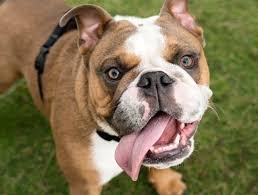
Why Is My Dog Panting So Much? Common Causes.
Dogs pant for many normal reasons, but heavy or unusual panting can also be a sign of pain, heat stress, heart disease, respiratory illness, anxiety, or other medical problems. Learn what causes panting in dogs, when it is an emergency, and when to have your dog evaluated.

Why Is My Cat Not Eating? Common Causes and When to Worry
Loss of appetite in cats can be caused by nausea, dental pain, kidney disease, digestive problems, and more. Learn when a cat not eating needs veterinary attention.
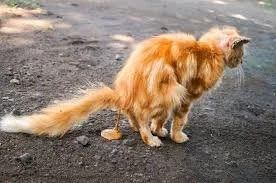
Why Is My Cat Having Diarrhea? Common Causes and When to Worry
Cat diarrhea can be caused by diet changes, parasites, infection, inflammatory bowel disease, toxins, and more. Learn when diarrhea in cats needs veterinary attention.

Why Is My Dog Having Diarrhea? Common Causes
Dog diarrhea can be caused by food changes, parasites, infection, pancreatitis, toxins, and more. Learn when diarrhea in dogs needs veterinary attention.
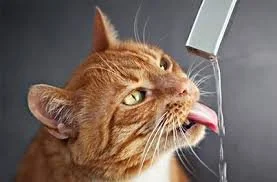
Why Is My Cat Drinking So Much Water? Common Causes
If your cat is suddenly drinking more water and using the litter box more often, it may be more than a simple habit change. Learn common causes and when to worry.
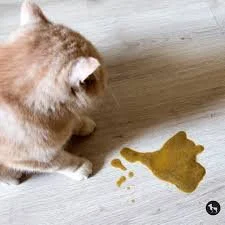
Why Is My Cat Throwing Up? Common Causes and When to Worry
Cat vomiting can be caused by hairballs, digestive disease, kidney problems, hyperthyroidism, and more. Learn when vomiting in cats needs veterinary attention.
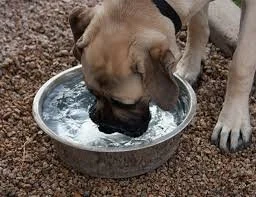
Why Is My Dog Drinking So Much Water? Main Causes.
If your dog is suddenly drinking more water and urinating more often, it may be more than heat or exercise. Learn common causes and when to worry.
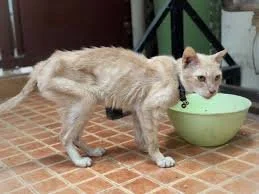
Why Is My Cat Losing Weight? Common Causes and When to Worry
Weight loss in cats can be an early sign of kidney disease, hyperthyroidism, diabetes, digestive problems, dental pain, or other illnesses. Learn when to worry and when to schedule a vet visit.
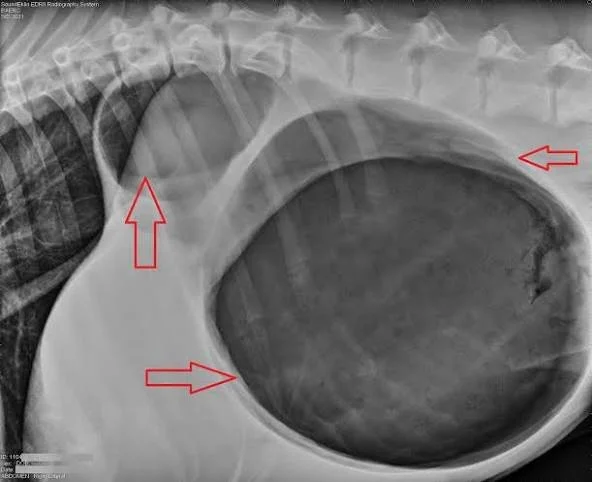
Why Is My Dog Vomiting? Is It’s More Than An Upset Stomach
Dog vomiting can range from a mild upset stomach to a serious medical emergency. Learn common causes, warning signs, and when your dog should see a veterinarian in Bushnell, FL.
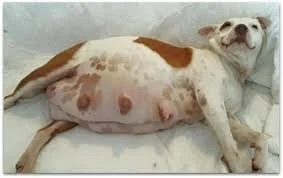
When Should My Pregnant Dog See a Veterinarian.
Timing matters when taking X-rays on a pregnant dog. Learn when fetal bones begin to ossify and how radiographs help support pregnancy planning.
Why is My Dog Limping, When to Call a Veterinarian
Dog limping can have many causes, from minor injury to more serious orthopedic problems. Learn when limping should be evaluated by a veterinarian.
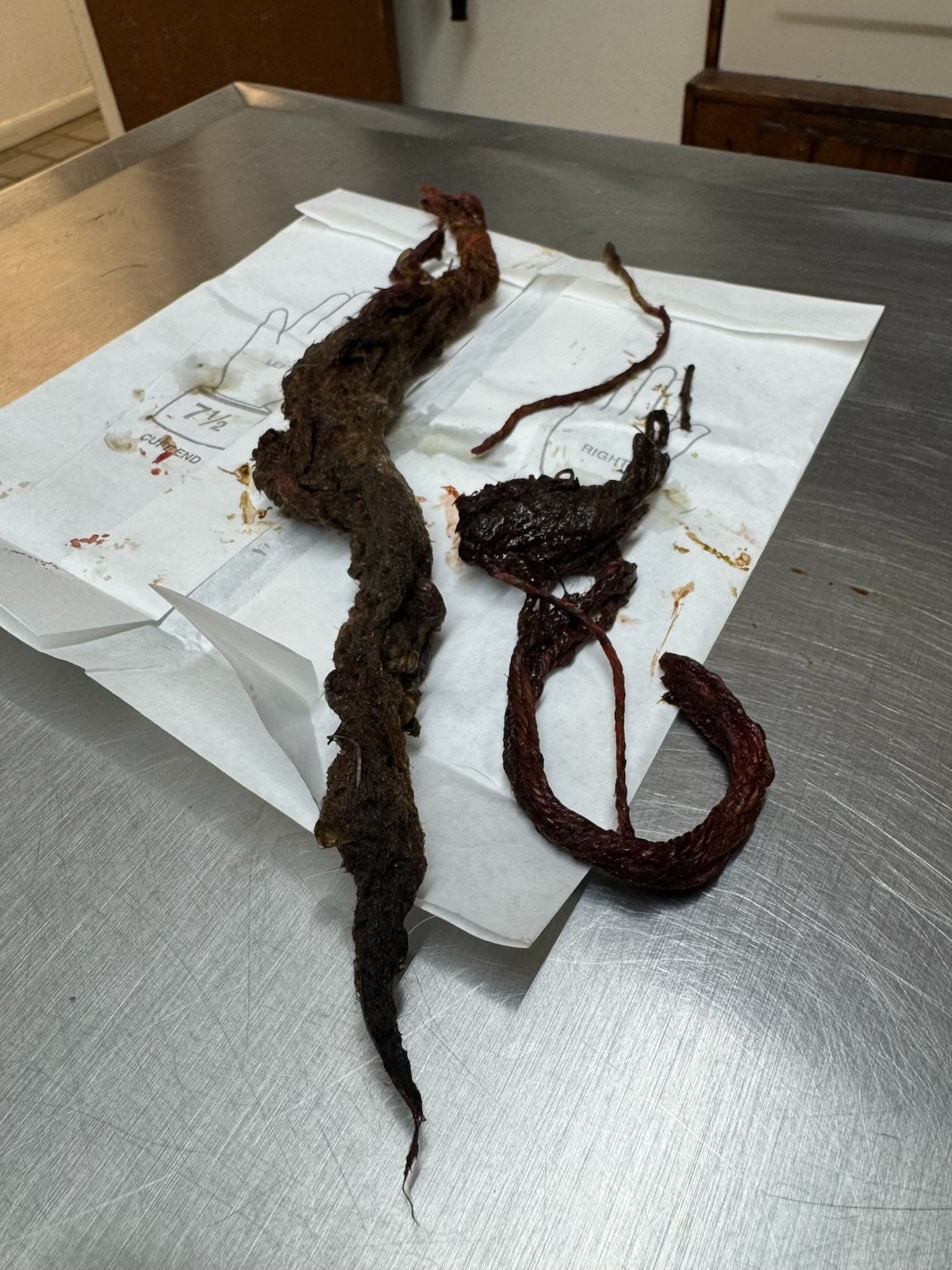
When Does Vomiting in Dogs Become an Emergency?
Vomiting in dogs is not always an emergency, but some signs should never be ignored. Learn when your dog needs urgent veterinary attention.

Choosing the Right Dog For You and Your Family
Choosing the right dog means looking beyond appearance. Learn how behavior, personality, energy level, and play needs affect the best match for your home.
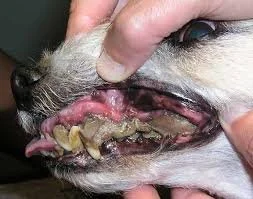
Dental Pain in Dogs and Cats: Signs Pet Owners Often Miss
Dental pain in dogs and cats can be easy to miss. Learn the signs of oral discomfort and when to schedule a dental evaluation in Bushnell, FL.
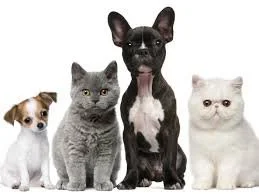
Know When Your Dog or Cat Needs More Quality of Life
As dogs and cats age, changes in comfort, appetite, mobility, grooming, behavior, and daily routine can become harder to interpret. Some slowing down is part of aging, but chronic pain, illness, weakness, and decline in quality of life are not things to ignore. Dr. Roger Hart at Bushnell Animal Clinic explains how to evaluate quality of life in senior pets, what warning signs to watch for, and when it may be time for more medical support or difficult decisions.
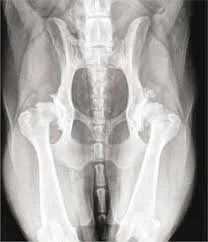
Understanding Arthritis in Older Dogs: Signs and Treatments
Arthritis is one of the most common reasons older dogs slow down. Many senior dogs with arthritis do not cry out or show dramatic lameness at first. Instead, owners may notice stiffness after rest, slower rising, trouble with stairs, limping, or less interest in walks and play. Dr. Roger Hart at Bushnell Animal Clinic explains the signs of arthritis in older dogs, available treatment options, and when a dog should be evaluated.
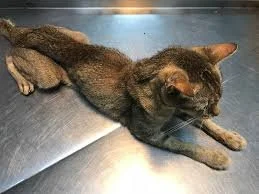
Understanding Why Your Senior Cat Is Not Eating
When a senior cat stops eating or begins eating less, it should never be dismissed as just old age. Older cats may lose appetite because of kidney disease, hyperthyroidism, dental disease, nausea, cancer, digestive disease, pain, or other chronic illness. Dr. Roger Hart at Bushnell Animal Clinic explains the common reasons senior cats stop eating, what signs to watch for, and when veterinary evaluation is important.
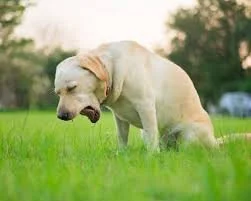
Why Is My Senior Dog Not Eating? When to Worry.
When a senior dog stops eating or begins eating less, it should never be dismissed as just old age. Older dogs may lose appetite because of dental disease, kidney disease, pain, nausea, cancer, digestive disease, medication effects, or other chronic illness. Dr. Roger Hart at Bushnell Animal Clinic explains the common reasons senior dogs stop eating, what signs to watch for, and when veterinary evaluation is important.
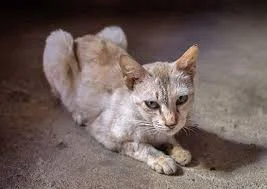
Senior Cat Weight Loss: Common Causes and When to Worry
Weight loss in an older cat should never be ignored. While many owners assume a senior cat is simply getting thinner with age, unplanned weight loss often points to an underlying medical problem such as kidney disease, hyperthyroidism, dental pain, cancer, intestinal disease, or chronic inflammation. Dr. Roger Hart at Bushnell Animal Clinic explains the common causes of weight loss in senior cats and when veterinary evaluation is important.