Search Pet Health Library
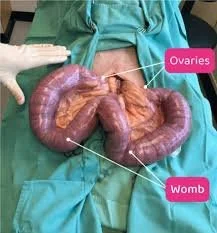
Pyometra in Dogs and Cats: Symptoms, Treatment, and Why Early Action Saves Lives
Pyometra is a life‑threatening infection in unspayed dogs and cats. Learn the symptoms, how it’s diagnosed, emergency treatment options, and how spaying prevents it.

🐾 Understanding Difficult Birth (Dystocia) in Pets: What Every Pet Owner Should Know
A difficult birth, or dystocia, can quickly become an emergency for dogs and cats. Knowing the early warning signs—such as prolonged contractions, green discharge, or stalled labor—helps you act fast and protect both the mother and her newborns. This guide explains the most important first‑aid steps you can take at home, what not to do, and when to seek immediate veterinary care. Whether you’re preparing for an upcoming litter or supporting a pet already in labor, these essential tips help you stay calm, informed, and ready to respond.
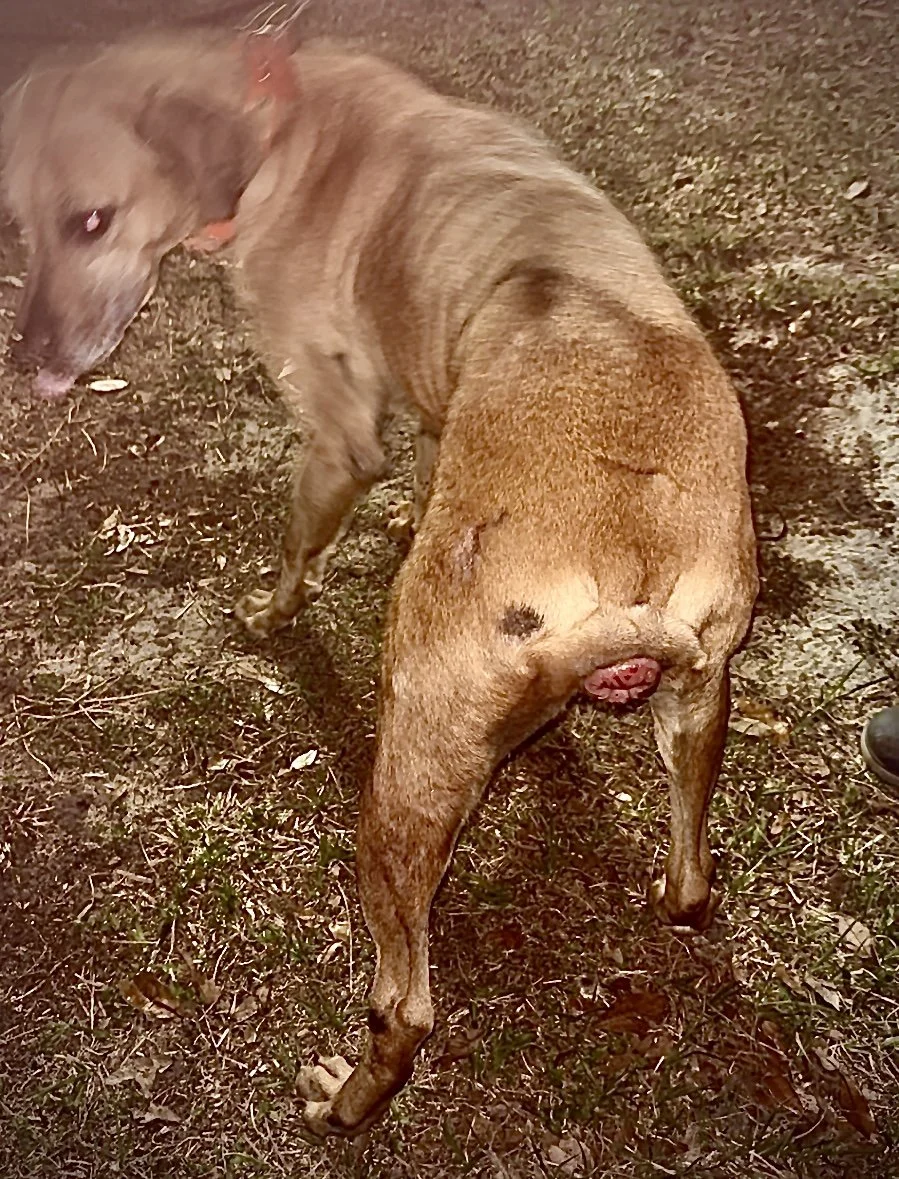
Understanding Vaginal Protrusions in Dogs and Cats: Causes, Signs, and When to See a Veterinarian
Vaginal protrusions in dogs and cats can be alarming for pet owners. This guide explains the most common causes—such as vaginal hyperplasia, vaginal prolapse, and vaginal masses—and highlights symptoms, breed risks, and when to seek veterinary care.
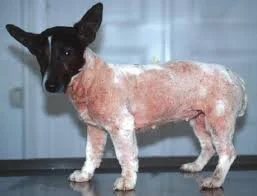
⭐ Food Allergies in Dogs and Cats: Signs, Diagnosis & How to Help Your Pet
Food allergies are a common cause of itching, skin irritation, and chronic ear problems in dogs and cats. Many pets react to proteins they’ve eaten for years, making diagnosis tricky. A strict elimination diet is the only reliable way to identify true food allergies and help your pet feel better.

Why Neutering Your Male Dog Is an Important Part of Lifelong Health
Neutering your dog is one of the most important decisions you’ll make as a pet owner. This guide breaks down everything you need to know—why veterinarians often recommend the procedure, how it can support your dog’s long‑term health, what to expect before and after surgery, and how neutering may influence behavior. Learn the benefits, common concerns, recovery basics, and the questions to discuss with your veterinarian so you can make the most informed choice for your dog’s well‑being.


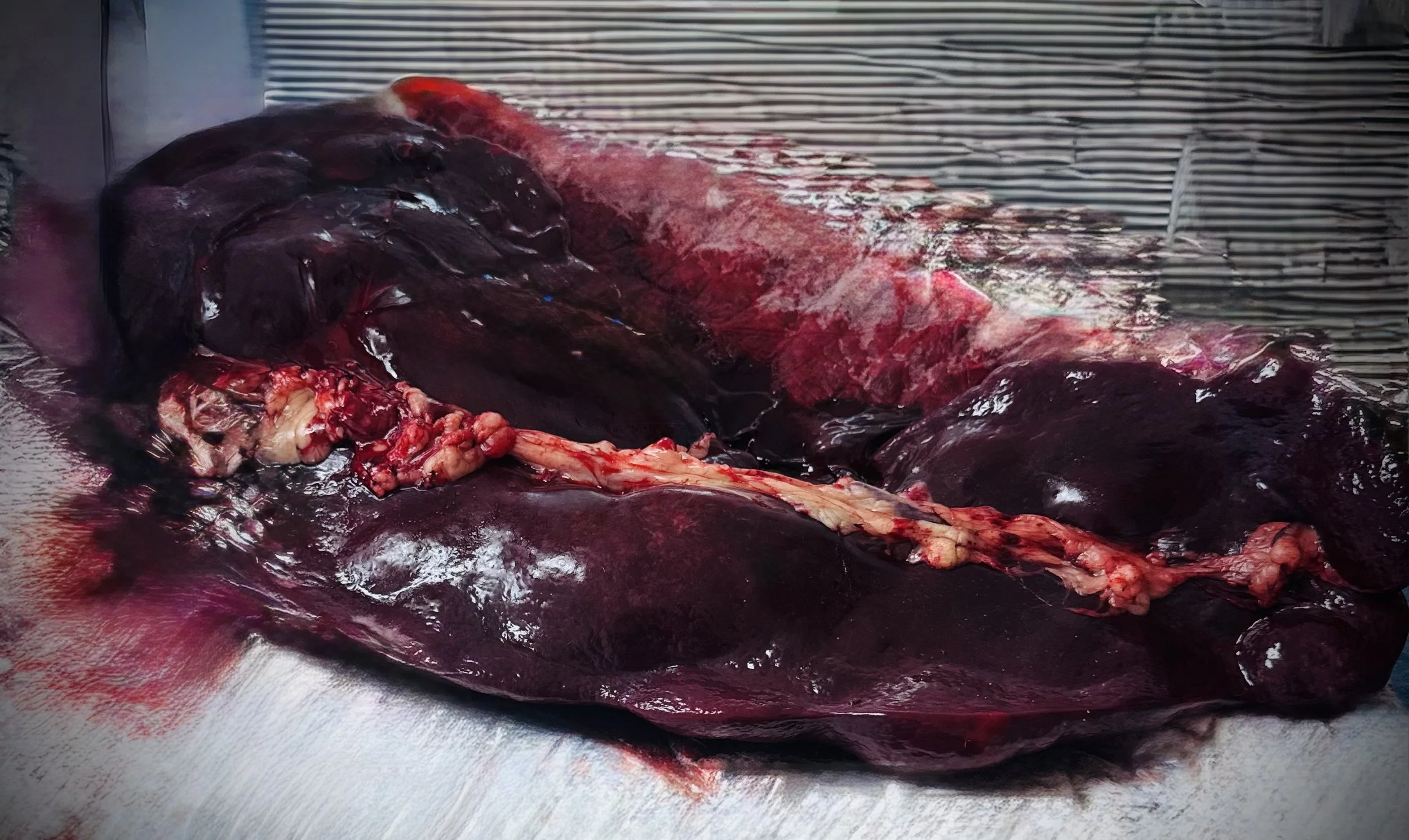
🐾 Understanding Splenic Masses in Dogs: Symptoms, Treatment, and What Pet Owners Should Know
Splenic masses are a common finding in older dogs and can range from benign growths to serious cancers such as hemangiosarcoma. Learn the symptoms, diagnosis, and treatment options.
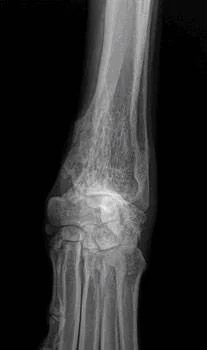
Osteosarcoma in Dogs: Understanding Symptoms, Diagnosis, and Treatment Options
Osteosarcoma is a rare but aggressive form of bone cancer that most often develops in the long bones of the legs or arms, particularly in children, teens, and young adults. It typically begins with persistent bone pain, swelling, or limited joint movement, and in some cases may cause fractures that occur with minimal injury. Because symptoms can resemble more common issues like sports injuries, early evaluation by a healthcare professional is essential. This blog explores what osteosarcoma is, common warning signs, how it is diagnosed, and current treatment approaches such as surgery and chemotherapy. Understanding this condition can help families recognize concerning symptoms sooner and seek timely medical care.
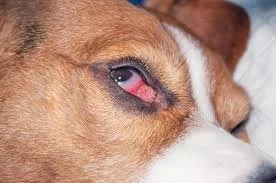
Meibomian Gland Tumors Symptoms And Treatment
Meibomian gland tumors in dogs can appear as eyelid bumps, irritation, or rubbing. Learn signs, treatment options, and when to seek care in Bushnell, FL.

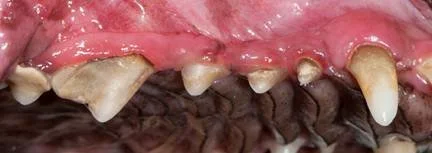
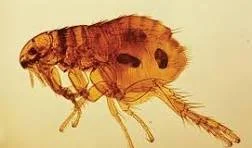
🐾 Fleas & Ticks: What Every Pet Owner Needs to Know
Fleas and ticks are common parasites that can cause itching, skin infections, and serious diseases in pets. Learn how to recognize infestations and protect your dog or cat.